Understanding The Traditional Learning Experience
Before enrolling in a Montessori program like Pinnacle Montessori, many children experience learning within more traditional educational settings that often emphasize standardized testing, fixed schedules, and uniform teaching methods. For families across Texas searching for a more personalized and engaging approach to education, this contrast becomes especially important.
Limited Personalization in Traditional Classrooms
In many conventional classrooms, teaching is designed to meet general benchmarks rather than the unique needs of each child. As a result, some children may struggle to keep up, while others may not feel challenged enough. This lack of individualized attention can make it difficult for students to fully explore their strengths, interests, and natural learning pace.
Learning Feels Like a Task, Not a Journey
Without opportunities for hands-on exploration or self-directed learning, education can begin to feel repetitive and uninspiring. Children may start to associate learning with pressure rather than curiosity, leading to decreased engagement and enthusiasm in the classroom.
Reduced Opportunities for Creativity and Independence
Traditional routines often involve long periods of passive instruction, where children are expected to listen rather than actively participate. This structure can limit creativity, problem-solving, and independent thinking—skills that are essential for long-term success. Over time, children may become more hesitant to express ideas or take initiative in their learning.
Social and Emotional Challenges
An environment that emphasizes comparison and competition can sometimes create feelings of pressure or self-doubt among young learners. Children may develop social anxieties or feel discouraged if they are unable to meet standardized expectations, affecting both their confidence and willingness to participate.
Signs Parents Often Notice
Parents frequently observe changes such as reduced excitement about school, reluctance to participate in class activities, or a decline in overall motivation. These signs often indicate that a child may benefit from a more supportive, engaging, and individualized learning environment—one that nurtures curiosity rather than limits it.
After Joining a Montessori School in Texas | The Pinnacle Montessori Transformation
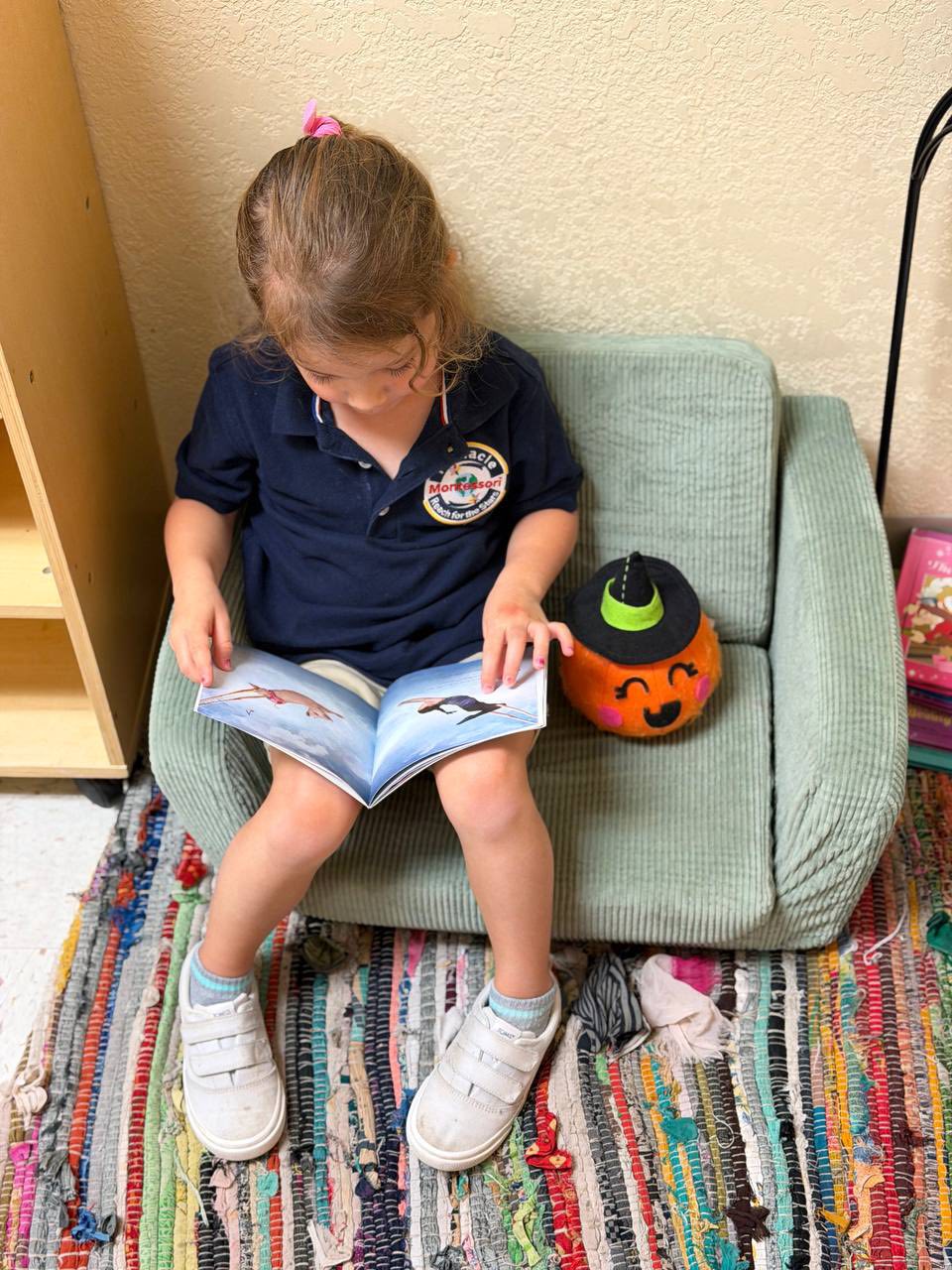
After transitioning to a Montessori environment like Pinnacle Montessori, children experience a meaningful transformation in the way they learn and grow. In classrooms designed to inspire curiosity, learning becomes engaging and enjoyable rather than routine. Through hands-on materials and self-directed exploration, children naturally develop a deeper connection with their education and begin to take genuine interest in discovering new concepts.
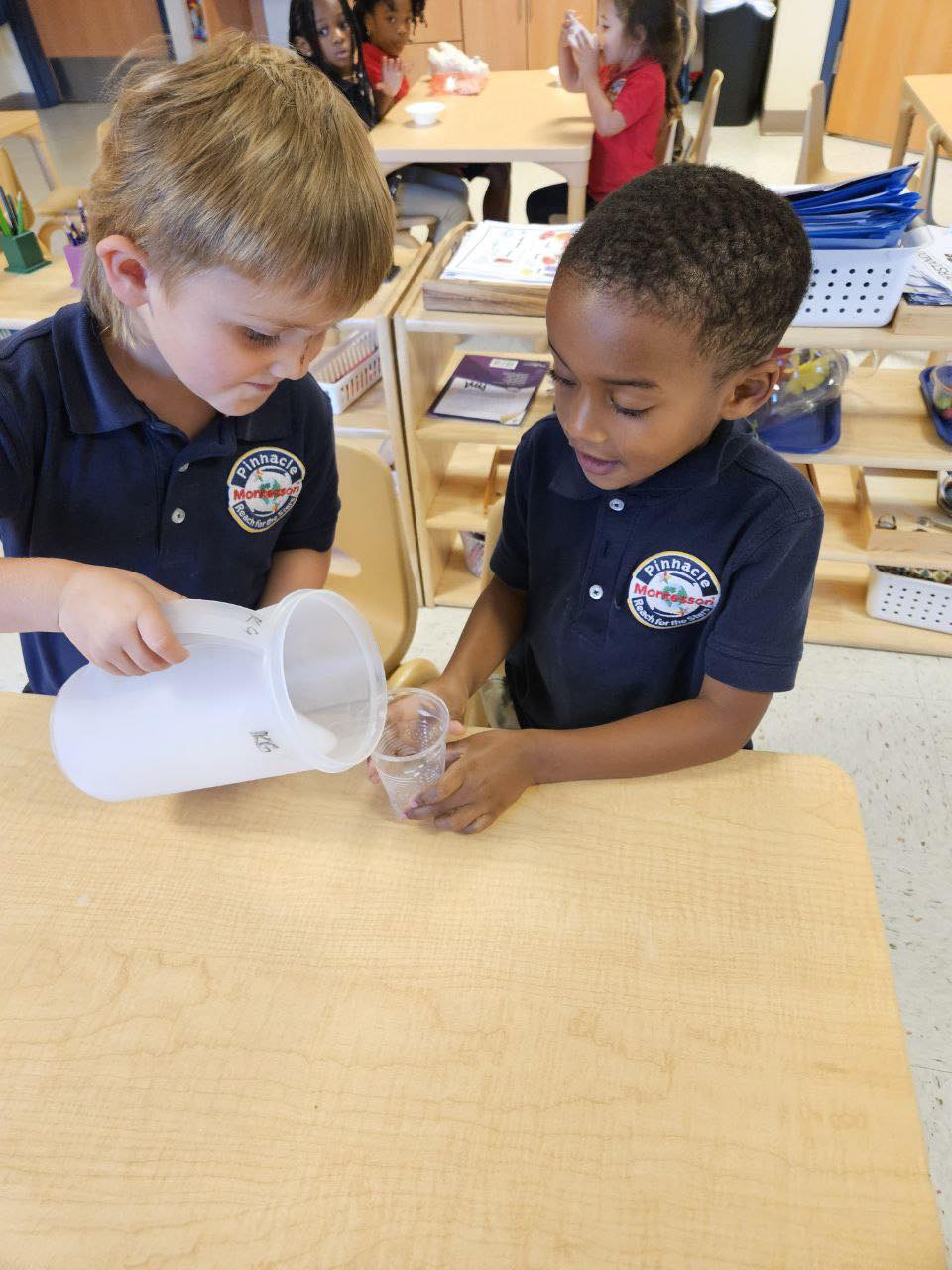
This approach encourages independence from an early stage. Children are given the freedom to make choices within a structured environment, helping them build confidence and a strong sense of responsibility. As they progress at their own pace, they gain a feeling of accomplishment that motivates them to continue learning and improving.
Academically, the Montessori method focuses on true understanding instead of memorization. Children develop critical thinking and problem-solving skills by actively engaging with materials and concepts. This deeper level of learning prepares them not only for future academic success but also for real-world challenges.
The social environment also plays a vital role in this transformation. Montessori classrooms promote collaboration rather than competition, allowing children to build positive relationships with their peers. They learn important life skills such as communication, empathy, and teamwork in a supportive and respectful setting.
Over time, parents often notice their children becoming more enthusiastic, curious, and self-motivated. The Montessori experience instills a lifelong love of learning, helping children grow into confident individuals who are prepared to adapt, explore, and succeed in an ever-changing world.