Building a Foundation of Trust: The Role of the Montessori Guide
The relationship between a child and their teacher in a Montessori school is a cornerstone of the educational philosophy, fundamentally different from a traditional classroom. In a Montessori setting, the teacher is not a lecturer but a “guide”, “mentor”, and “observer”. This shift in roles fosters a unique and powerful bond built on respect, trust, and support.
The Teacher as a Guide, Not an Instructor
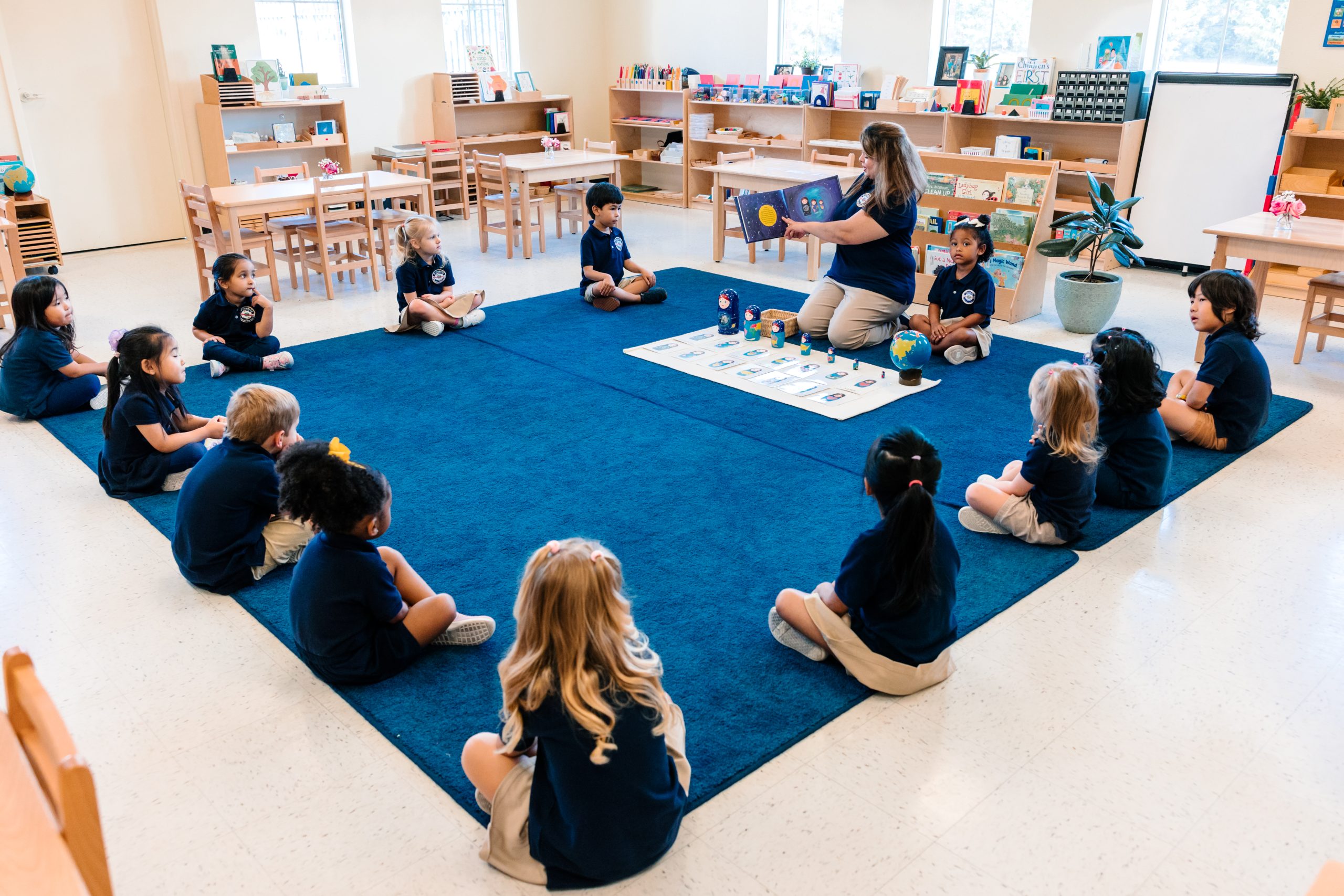
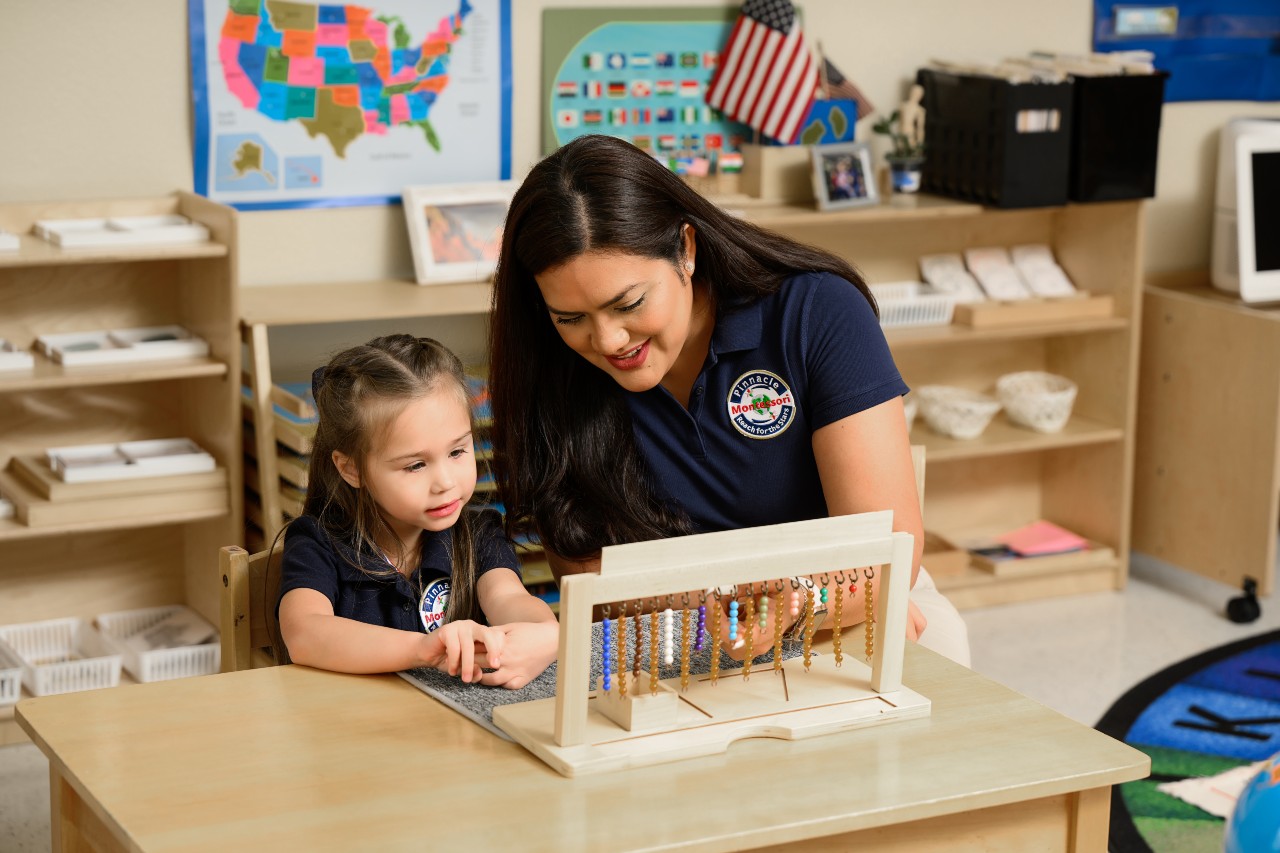
In a traditional school, the teacher often stands at the front of the classroom, delivering information to a group of students. The focus is on the teacher as the source of knowledge. In contrast, the Montessori guide’s primary role is to connect the child to the prepared environment. They introduce a child to a specific material or activity and then step back, allowing the child to explore, discover, and learn independently. This approach empowers the child, reinforcing their innate curiosity and building a sense of self-reliance.
A Relationship of Mutual Respect
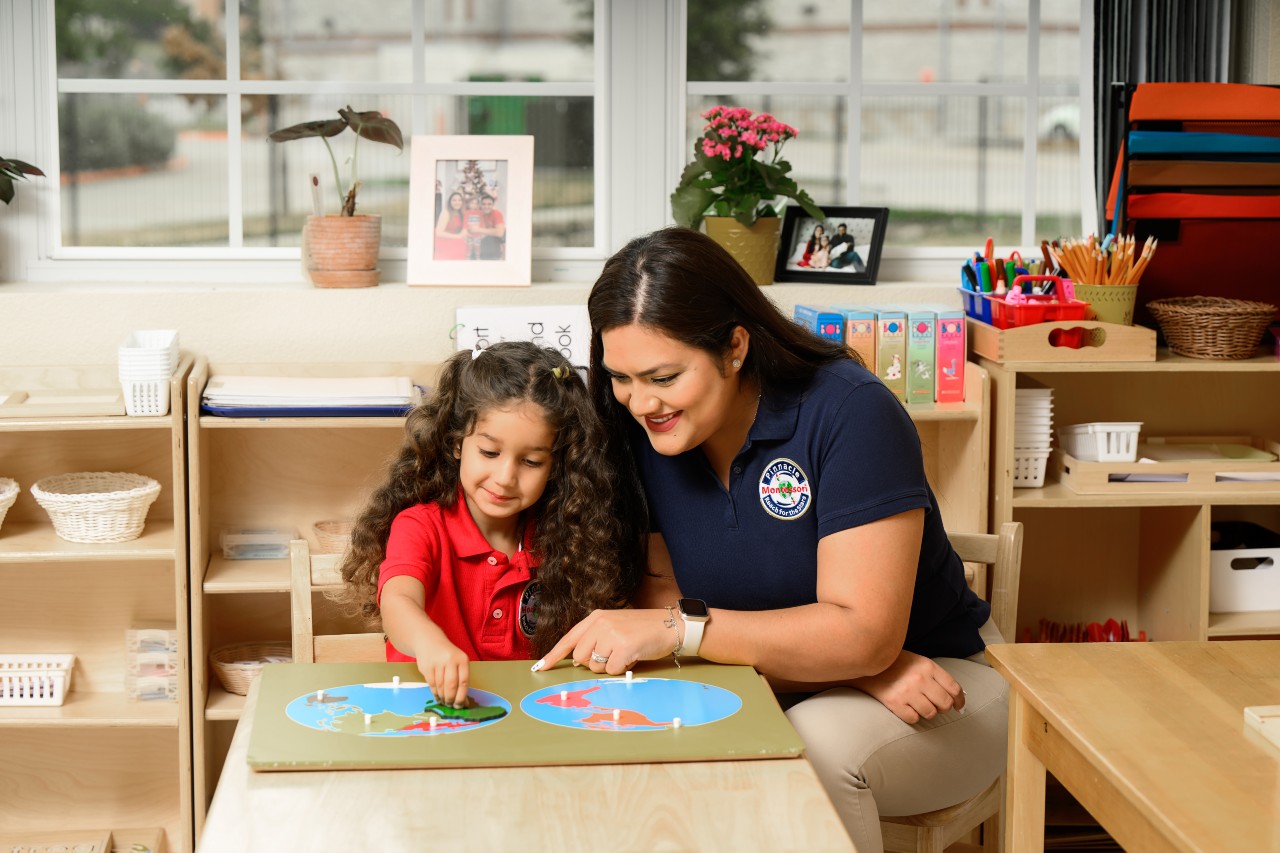
Dr. Maria Montessori believed that children deserve the same respect as adults. This principle is at the core of the child-teacher bond. Montessori guides interact with children on their level, literally getting down to their eye level to speak with them. They use calm, respectful language and never criticize or scold. Instead, they model grace and courtesy, teaching children how to communicate their needs, resolve conflicts peacefully, and treat others with kindness. This modeling creates a trusting atmosphere where children feel safe to take risks, make mistakes, and correct themselves without fear of judgment.
The Benefits of a Strong Bond
A secure and supportive relationship with a Montessori guide has a profound impact on a child’s development. It helps to:
- Build Confidence and Self-Esteem: When a child feels trusted and respected, they develop a strong sense of self-worth. They are more likely to embrace challenges and see setbacks as opportunities for growth.
- Foster a Love for Learning: The teacher’s role as a guide helps a child associate learning with joy and discovery, rather than with pressure or external rewards. This nurtures intrinsic motivation that lasts a lifetime.
- Enhance Social and Emotional Skills: The guide’s gentle, consistent presence helps children feel secure. This security is the foundation for developing empathy, communication, and emotional regulation skills, which are essential for navigating relationships with peers and adults.
The Three-Year Cycle: A Deeper Connection
A unique aspect of the Montessori method is the mixed-age classroom, where students stay with the same guide for a three-year cycle. This extended time allows the teacher to truly get to know each child’s individual personality, learning style, interests, and developmental needs. This deep understanding enables the guide to tailor their support and presentations, ensuring the child is always challenged and engaged. The lasting bond created over these years provides a sense of stability and continuity that supports the child’s holistic growth.