Montessori preschool education has been gaining popularity in recent years for its unique approach to early childhood learning. Developed by Dr. Maria Montessori in the early 20th century, this educational method focuses on individualized learning, hands-on activities, and independence.
Here are some of the top reasons why Montessori preschool education is highly recommended:
1. Child-Centered Learning: In a Montessori classroom, children are encouraged to follow their own interests and pace of learning. Teachers act as guides, providing support and resources as needed, but ultimately allowing children to explore and discover on their own. This child-centered approach fosters independence, creativity, and a love for learning.
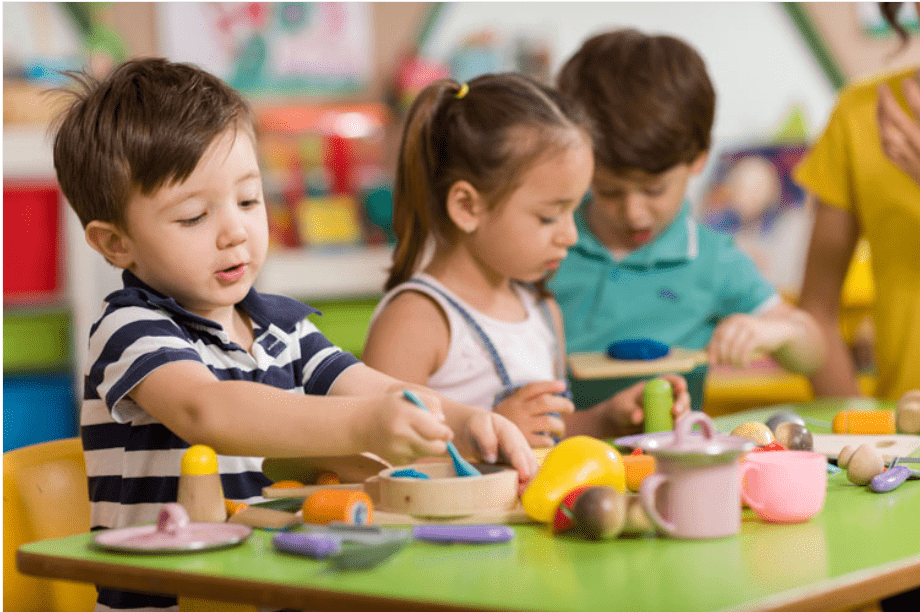
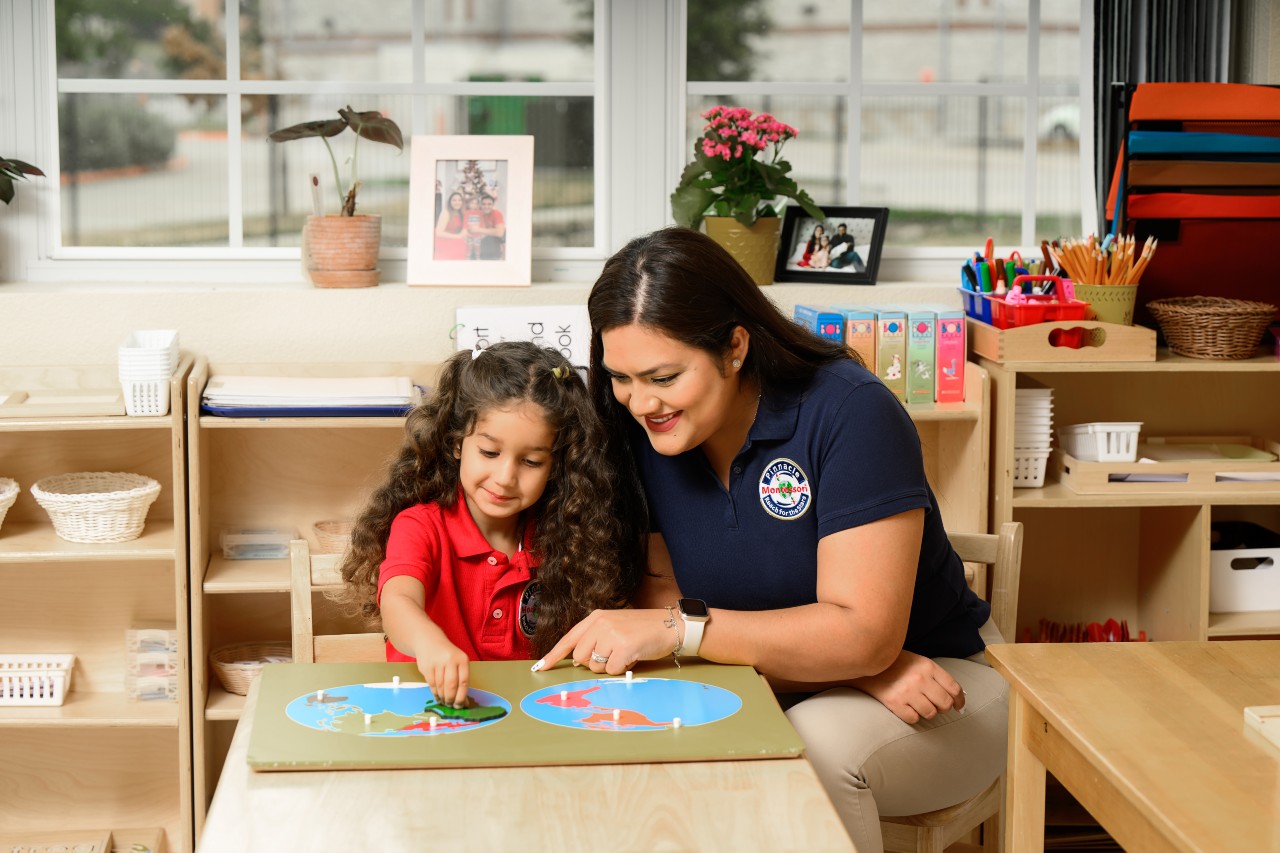
2. Hands-On Learning: Montessori preschools are filled with specially designed materials and activities that allow children to learn through hands-on exploration. Whether it’s using wooden puzzles to learn shapes and sizes or pouring water to develop fine motor skills, children are actively engaged in their learning and are able to develop a deep understanding of concepts through tactile experiences.
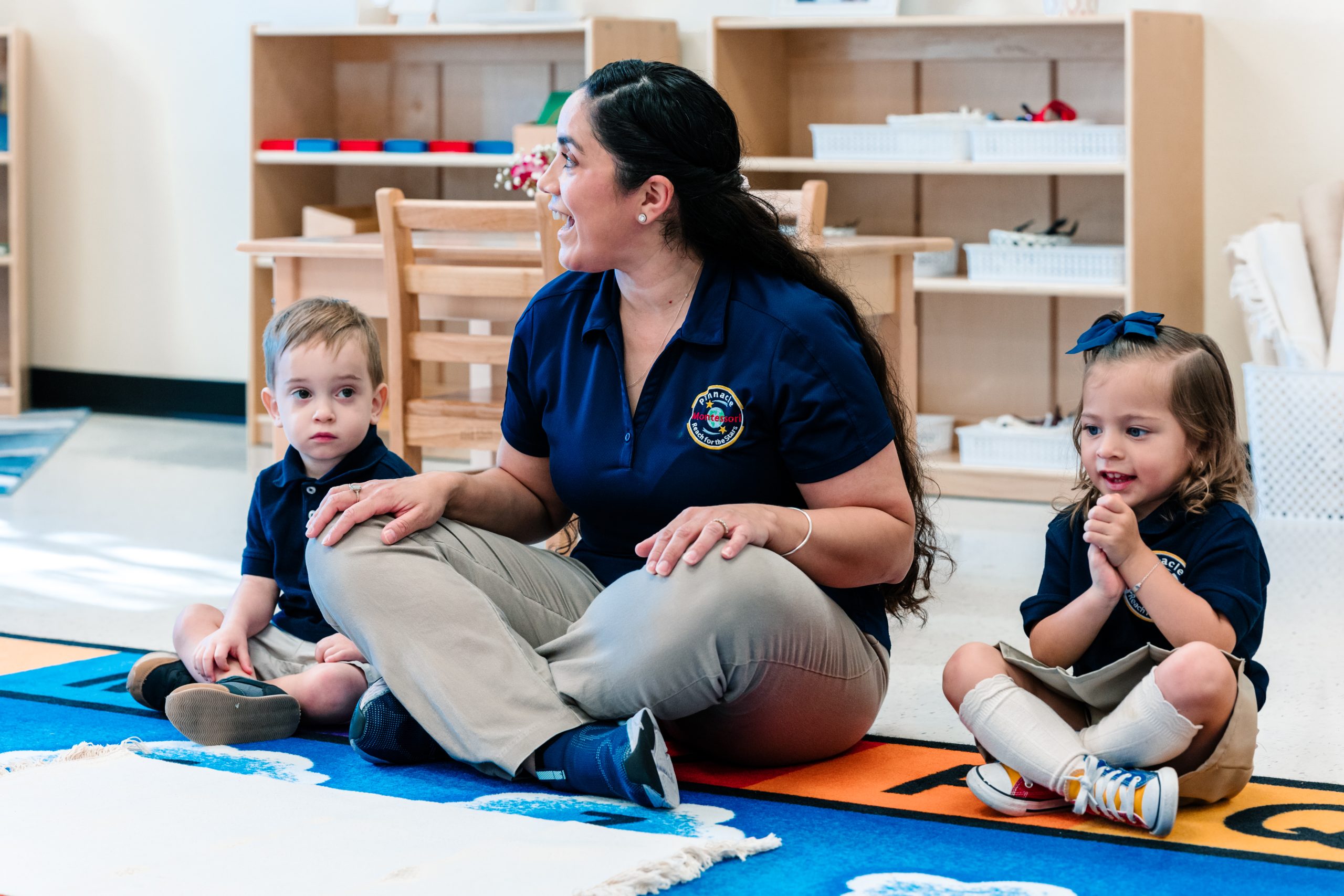
3. Mixed-Age Classrooms: Montessori classrooms typically have mixed-age groupings, such as 3-6 year olds or 2.5-6 year olds, allowing younger children to learn from older peers and older children to take on leadership roles. This fosters a sense of community, collaboration, and empathy among children, as well as the opportunity for children to learn at their own pace and level.
4. Individualized Instruction: Montessori education recognizes that each child is unique and learns in their own way. Teachers observe and assess each child’s interests, needs, and abilities, and tailor instruction accordingly. This personalized approach ensures that children are challenged and supported in a way that fosters their academic and personal growth.
5. Focus on Self-Discipline and Responsibility: In a Montessori classroom, children are given the freedom to choose their activities, work at their own pace, and take ownership of their learning. This promotes self-discipline, responsibility, and a sense of autonomy in children. By allowing children to make choices and experience natural consequences, Montessori education helps children develop important skills for success in school and life.