When it comes to your child’s early education and care, it’s essential to understand the differences between the available options. Two of the most commonly explored choices are the best Montessori schools and traditional daycares. While both environments offer unique benefits, they operate on distinct principles and practices. In this guide, we’ll dive deep into the differences between Montessori education and traditional daycare settings.
1. Foundational Philosophy
Montessori: Founded by Dr. Maria Montessori, this method emphasizes individualized learning, independence, and respect for a child’s natural psychological development. It treats the child as an active participant in the learning process, promoting curiosity and intrinsic motivation.
Daycare: Traditional daycares primarily focus on providing care and supervision for children. While they incorporate educational activities, their primary goal is not necessarily an academic curriculum but rather providing a safe environment while parents are at work.
2. Learning Environment
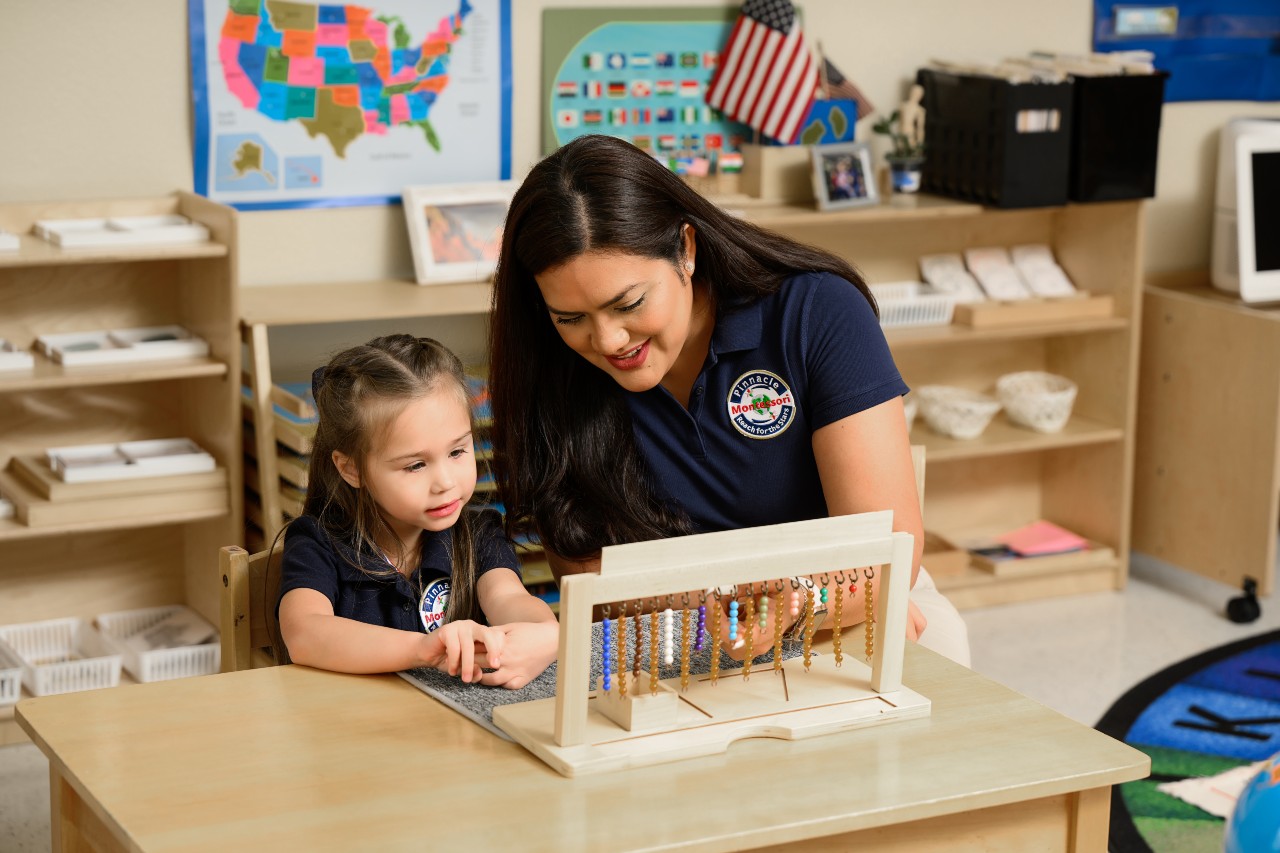
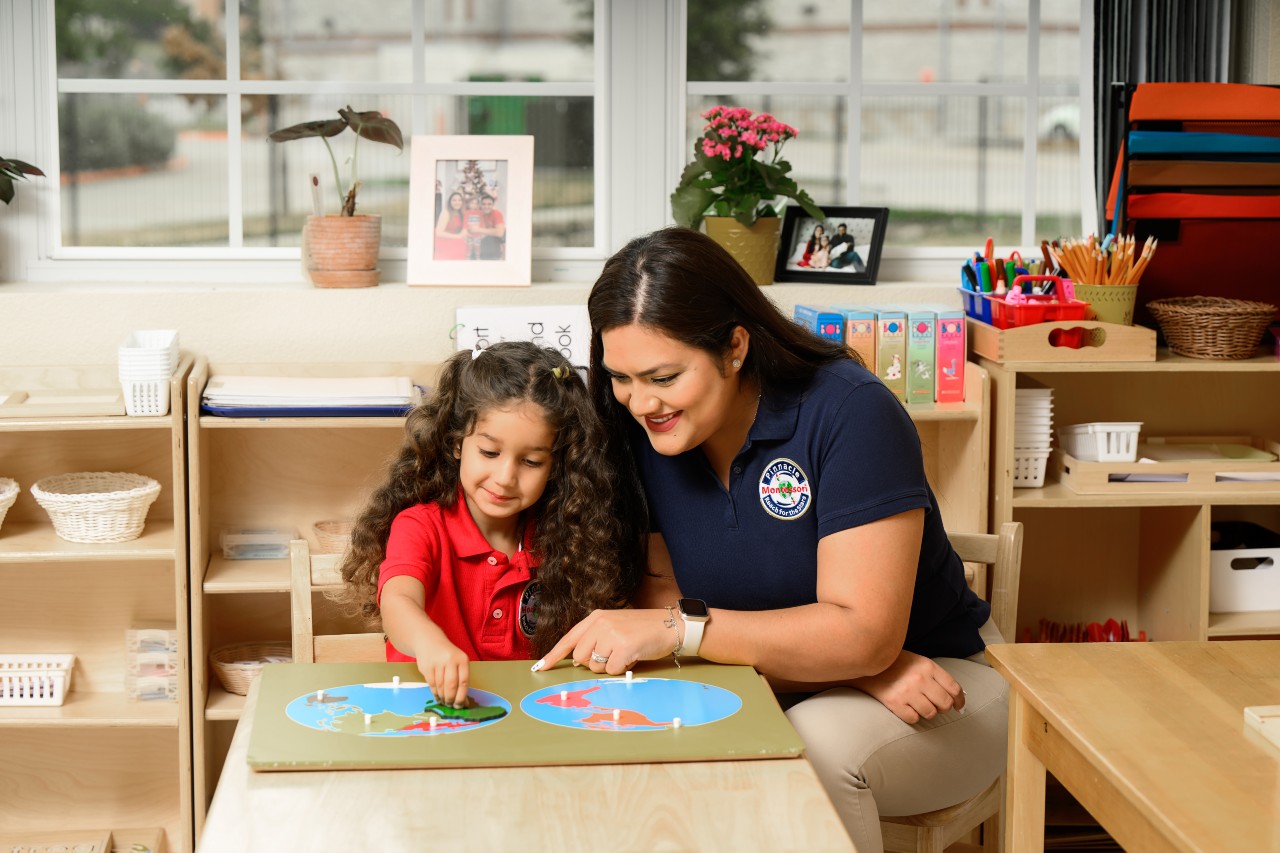
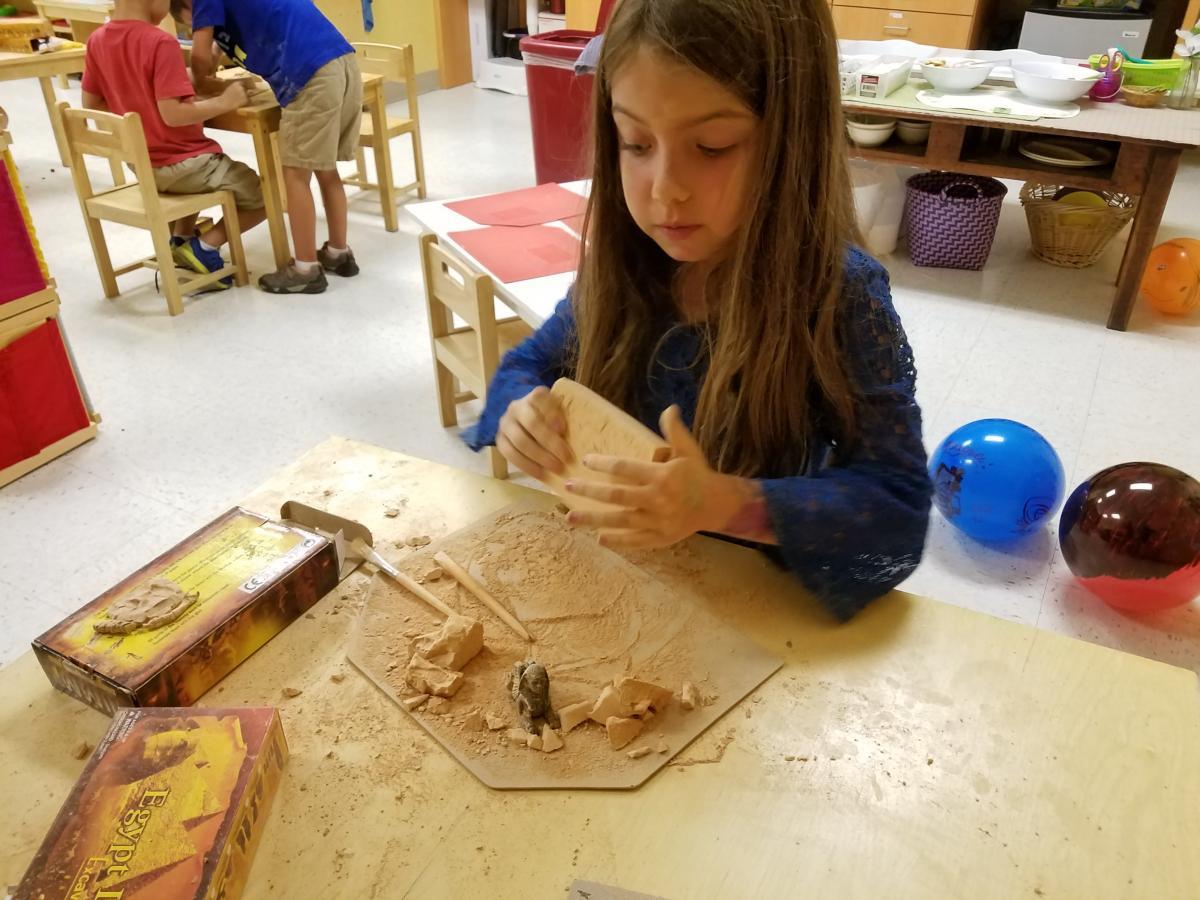
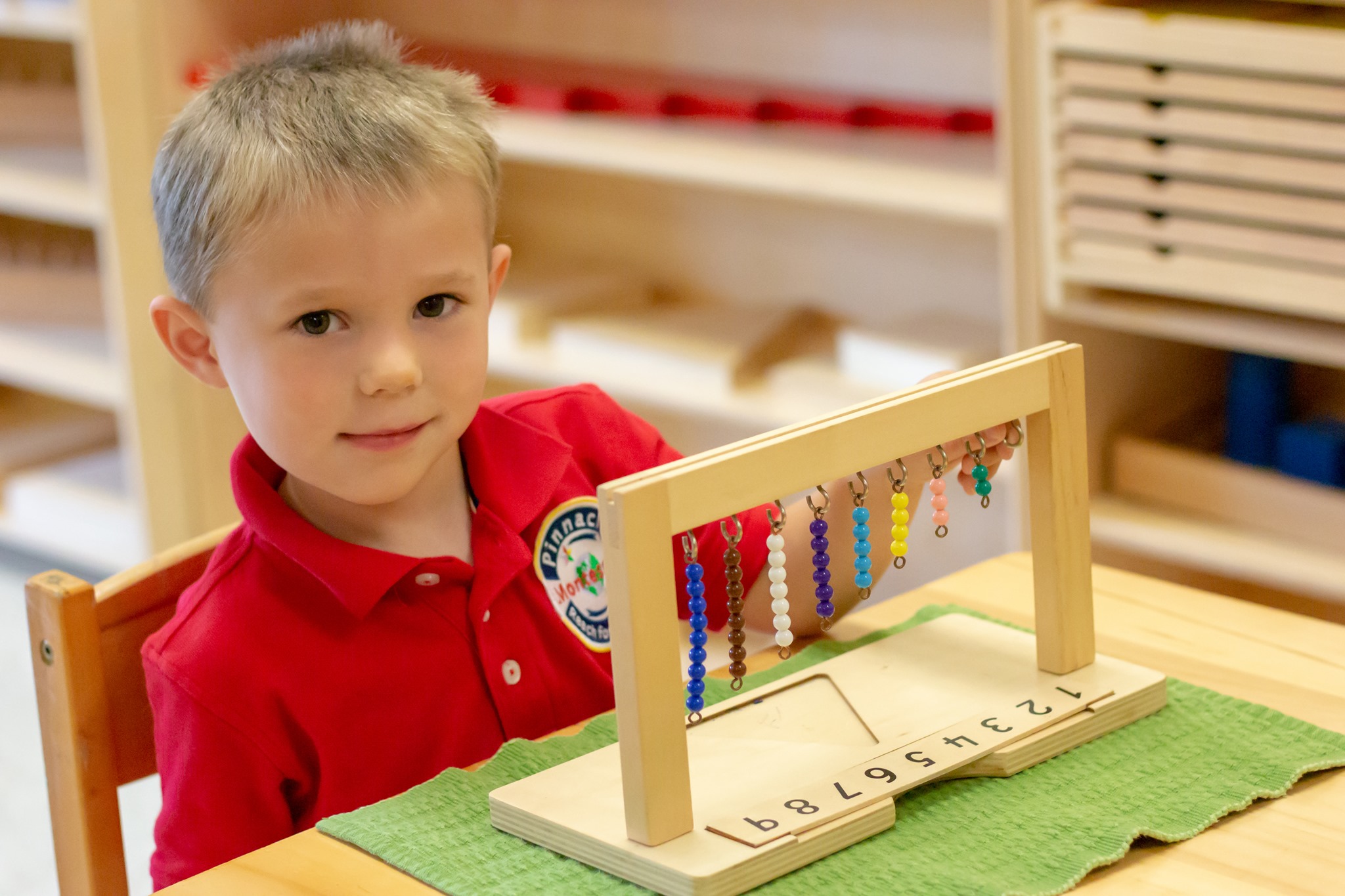
Montessori: The Montessori classroom, known as the “prepared environment,” is meticulously organized with specific, hands-on learning materials. Everything is accessible to children, promoting independence and self-directed learning.
Daycare: Daycare settings vary, but they often have a play-based environment. They may not have the same structured, specialized materials that you would find in a Montessori setting.
3. Role of the Educator
Montessori: The teacher acts as a guide or facilitator, observing each child’s interests and readiness to move on to new challenges, and introducing materials or activities accordingly.
Daycare: The role of the educator in a daycare is more supervisory. While they engage children in activities and play, the approach is less individualized.
4. Curriculum & Structure
Montessori: The curriculum is child-centered, meaning children choose the activities they want to work on each day. It covers areas such as Practical Life, Sensorial, Mathematics, Language, and Cultural Studies.
Daycare: Activities in daycare are typically group-focused and may not follow a structured academic curriculum. The day is often more routine-based, with designated times for meals, naps, play, and other activities.
5. Peer Interaction
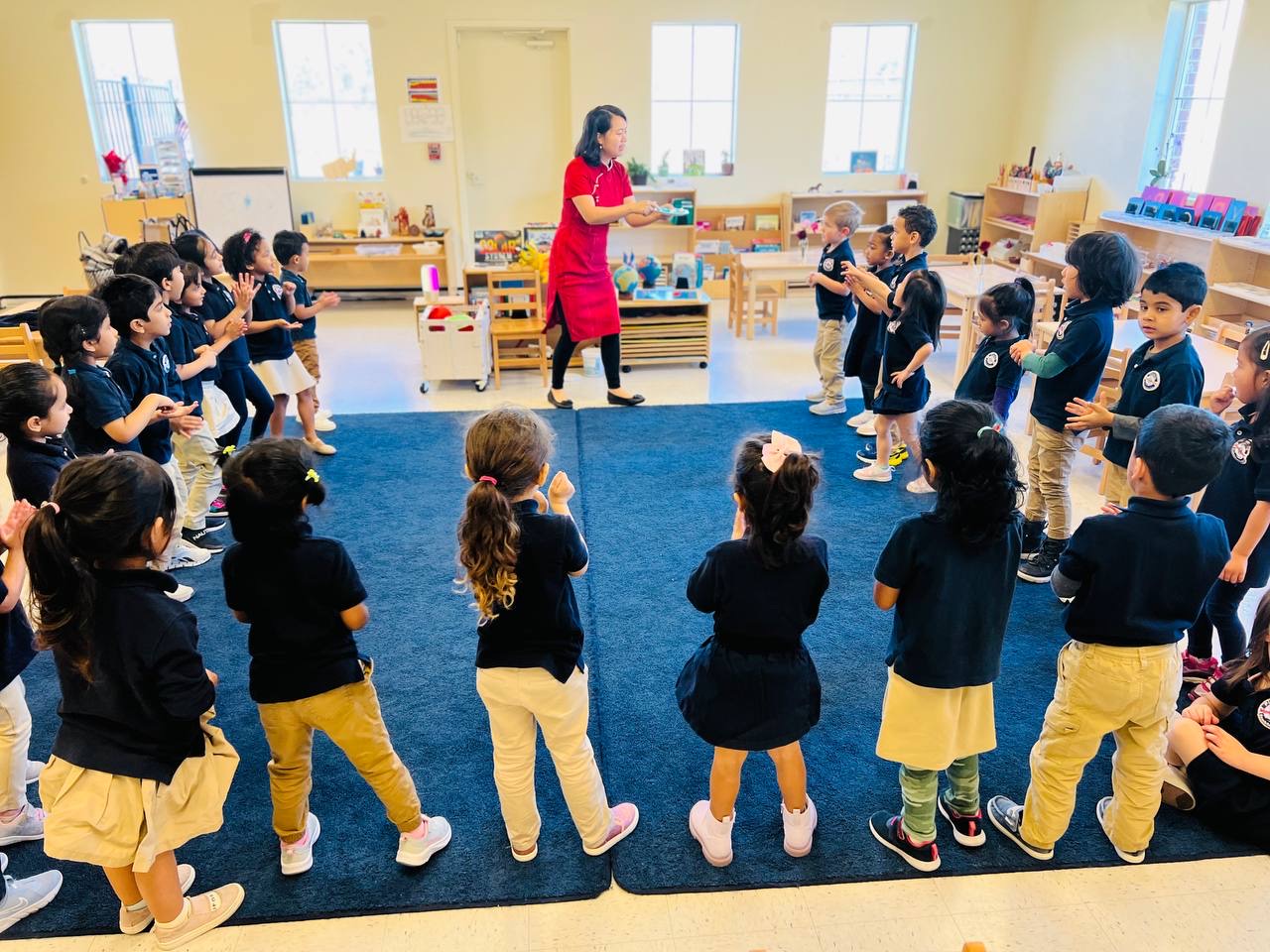
Montessori: Children are usually placed in mixed-age groups, promoting peer learning. Older children often help guide and teach younger ones, fostering a sense of community and leadership.
Daycare: Children in daycares are usually grouped by age. While they still have opportunities for play and interaction, the environment may not be as conducive to peer-led learning.
6. Focus on Independence
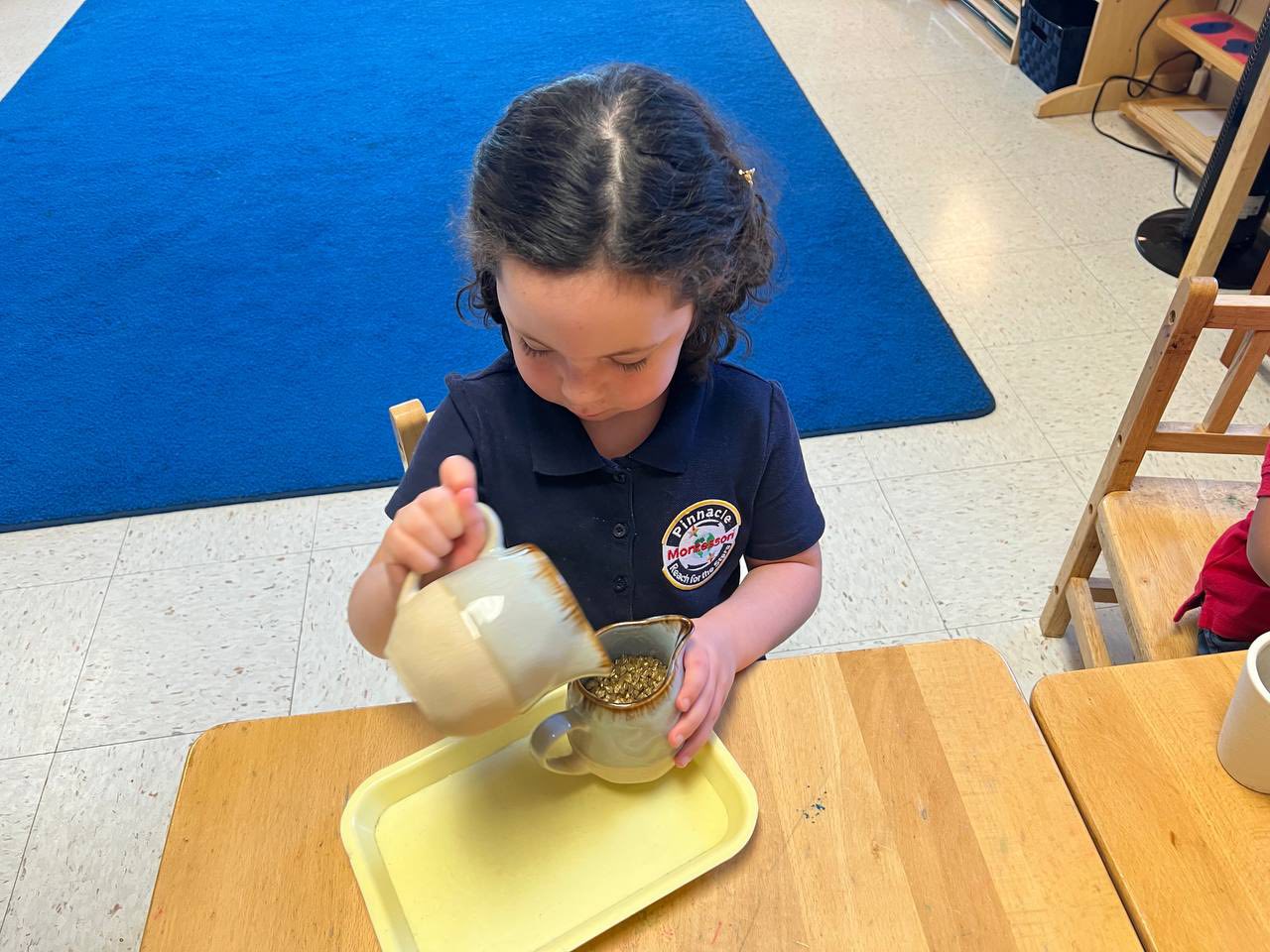
Montessori: Montessori education emphasizes fostering independence in learning, self-care tasks, and problem-solving.
Daycare: While some independence is encouraged, especially as children get older, it may not be as integral to the program’s philosophy.
While both Montessori schools and traditional daycares offer safe environments for children, their philosophies, methods, and outcomes can differ considerably. Parents must reflect on what they hope their child will gain from the experience and choose the environment that aligns with their values and expectations.
We believe in fostering a child’s natural curiosity, independence, and love for learning. Experience firsthand the Montessori difference and discover how it can shape your child’s formative years. Schedule a tour with us today, and let’s embark on a transformative educational journey together.