Setting Boundaries: Montessori Techniques for Healthy TV Habits
In our digital age, screens are ubiquitous. While television and online streaming platforms can provide educational content and entertainment, it’s crucial to set healthy boundaries to ensure a balanced lifestyle. Inspired by Montessori principles, you can create a nurturing environment that promotes healthy TV habits for your children, fostering independence and critical thinking.
1. Emphasizing Choice and Autonomy
Montessori education thrives on the idea of choice. Allow your child to participate in selecting what they want to watch. Create a list of age-appropriate shows and films that offer educational value or positive messages. By giving them a say, you foster autonomy and make them active participants in their media consumption.
2. Establishing a Viewing Schedule
Setting a structured daily or weekly viewing schedule can help create consistency and predictability in your child’s routine. Collaborate with your child to design this schedule so they feel more involved. This strategy aligns well with the Montessori approach of taking into account a child’s natural rhythms and ensuring they have time for various activities, from creative play to outdoor exploration.
3. Creating a Learning Environment
Montessori encourages creating an environment that stimulates learning and curiosity. Designate a specific area in your home for watching TV, ensuring it is conducive to learning. Surround this space with books, art supplies, and other educational materials. This way, when screen time is over, children are naturally inclined to transition to alternative activities.
4. Encouraging Reflection and Discussion
After watching a show, take time to engage in discussions about its content. Montessori education emphasizes reflection and critical thinking. Ask open-ended questions about what they learned, how they felt, and how the characters’ actions influenced the storyline. This practice promotes comprehension and deeper understanding, making screen time a more enriching experience.
5. Limiting Passive Consumption
To avoid passive screen time, introduce rules about when and how long your child can watch TV. Encourage your child to engage in active viewing rather than simply watching passively. For instance, suggest they take notes on interesting ideas, draw scenes from their favorite shows, or even act out their favorite parts afterward. This keeps their minds engaged and helps reduce the potential drawbacks of excessive screen time.
6. Modeling Healthy Habits
Children often mimic the behaviors of their parents. Model healthy TV viewing habits yourself by demonstrating how to balance screen time with other activities like reading, playing outdoors, and engaging in family discussions. Share your own choices and talk about why you enjoy certain programs, helping them understand the value of quality content.
7. Encouraging Alternatives
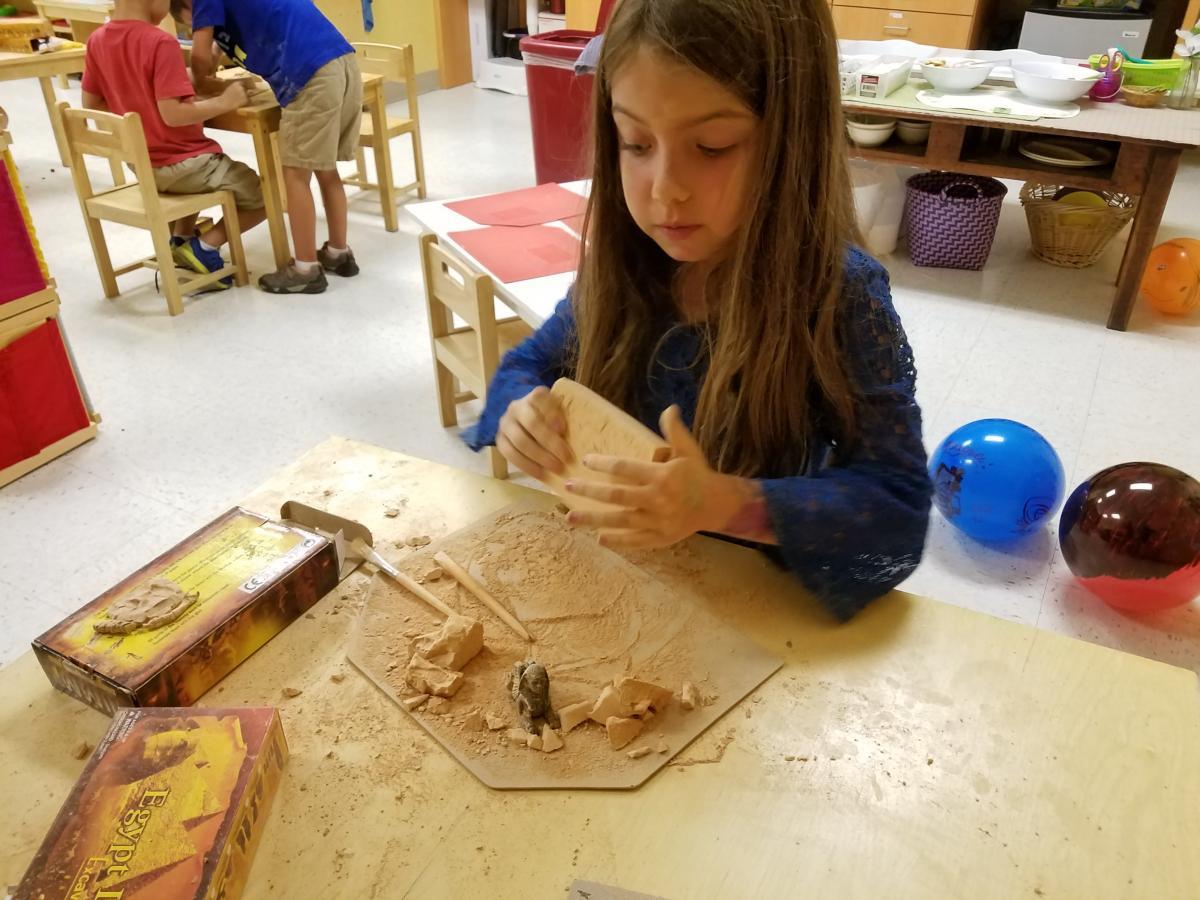
Provide a variety of activities that can serve as alternatives to screen time. Encourage hobbies such as reading, arts and crafts, cooking, or outdoor play. Developing alternative interests helps children learn to entertain themselves without relying solely on television. This aligns with the Montessori belief in providing diverse, hands-on learning opportunities.
8. Setting Boundaries with Technology
Use technology to your advantage by employing parental controls and apps that track screen time. Setting these boundaries shows children that it’s important to monitor their screen usage, reinforcing positive habits. Be sure to explain the purpose behind these tools, linking them to the values of moderation and balance in everyday life.
Pinnacle Montessori of Forney provides a nurturing and stimulating environment where young minds can flourish. We offer a variety of Montessori programs designed to support the developmental needs of children at every stage of early childhood.