A Parent's Guide to Choosing the Right Montessori School
Before enrolling your child in a Montessori school, it’s essential to do your research. The Montessori method, developed by Dr. Maria Montessori, focuses on a child-centered approach where students learn at their own pace in a prepared environment. Here are the top five things to check before making your decision.
1. Teacher Certification and Training
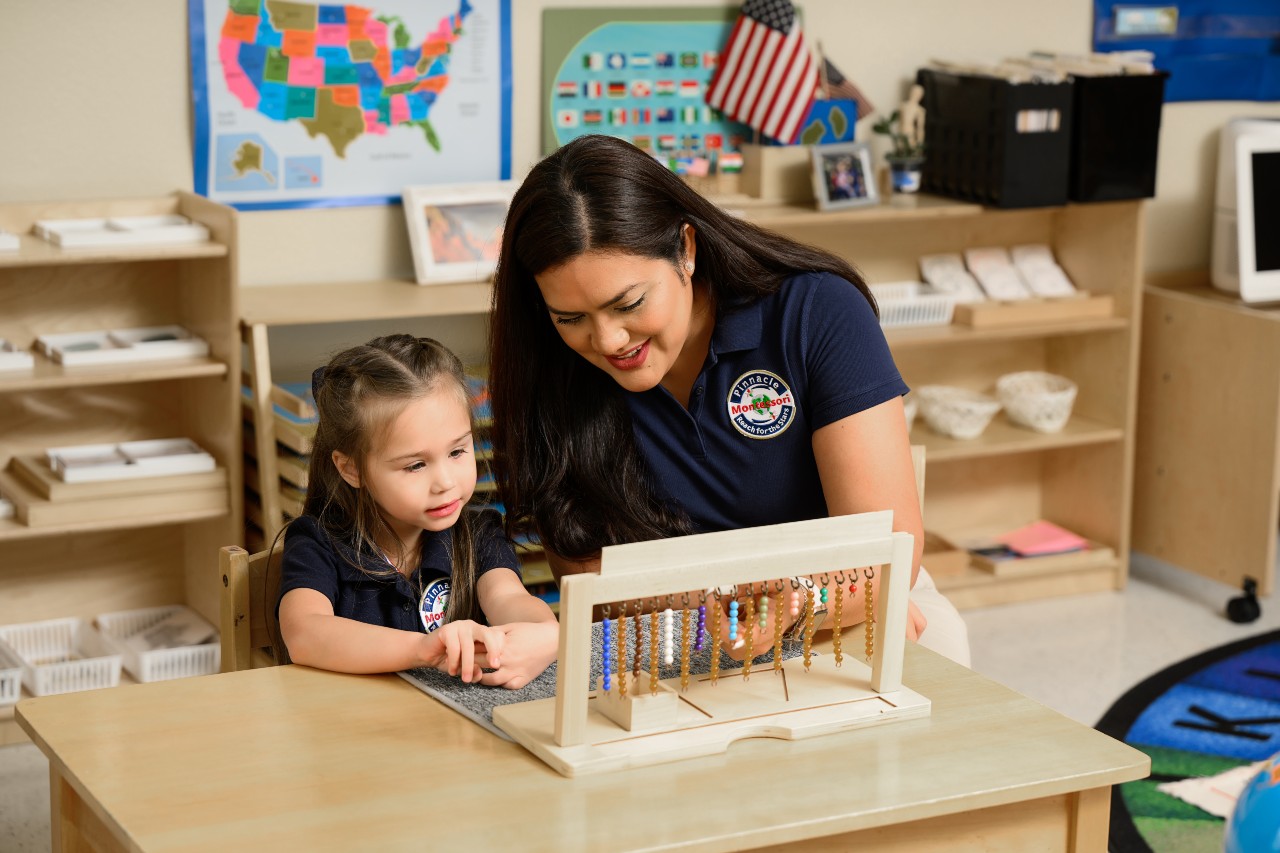
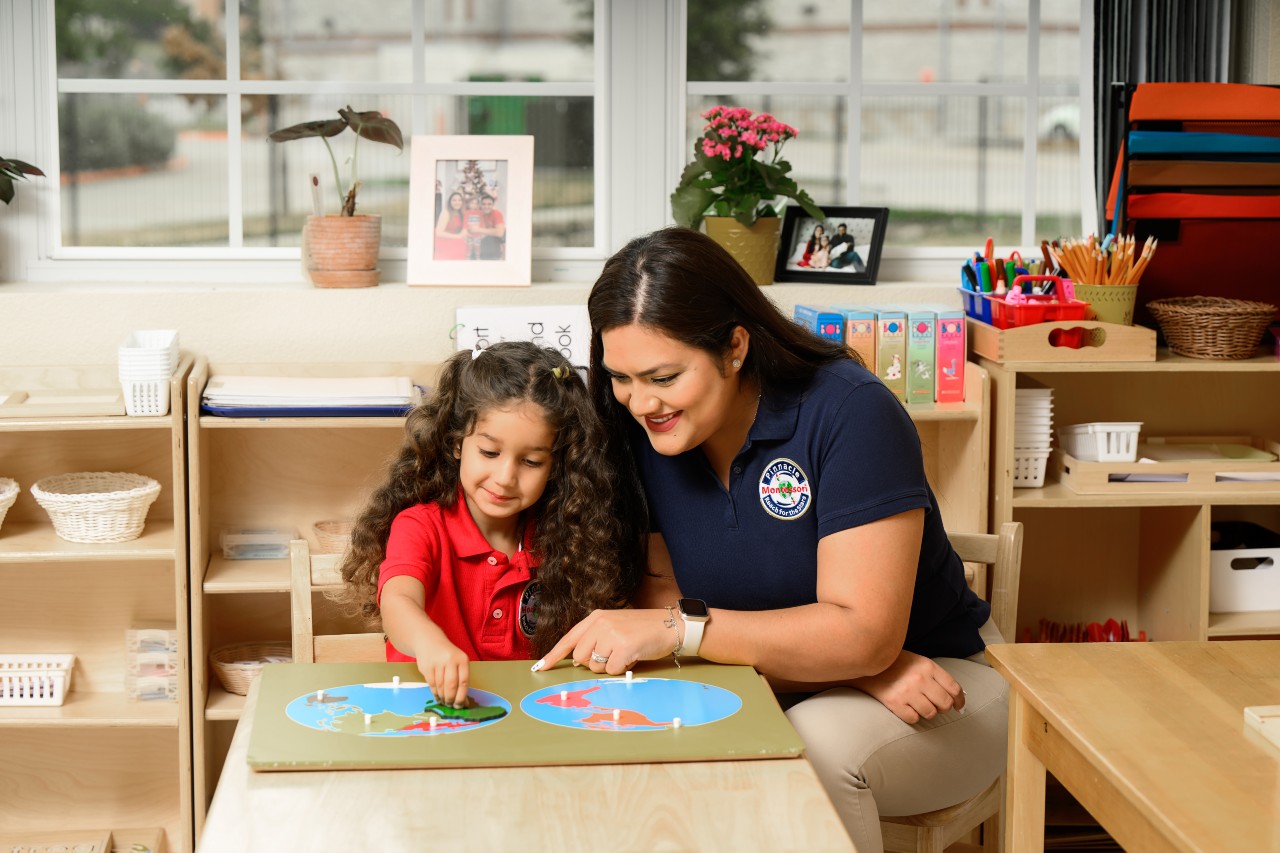
The cornerstone of a quality Montessori education is a properly trained teacher, often called a “guide” or “directress.” The most recognized and respected certifications come from organizations like the American Montessori Society (AMS) or Association Montessori Internationale (AMI). Make sure the teachers at Pinnacle Montessori of Georgetown have these credentials. A well-trained teacher understands the philosophy, knows how to use the materials, and can guide children without interfering with their natural learning process.
2. Authentic Montessori Curriculum and Materials
An authentic Montessori school should have a complete set of the specialized, scientifically designed materials developed by Dr. Montessori. These materials are a hallmark of the method and cover areas like practical life, sensorial, mathematics, language, and culture. When you visit, look for the following:
- Practical Life Materials: These are everyday items like pouring pitchers, frames for buttoning and zipping, and scrubbing brushes that help children develop independence and fine motor skills.
- Sensorial Materials: Materials like the Pink Tower, Brown Stair, and Cylinder Blocks help children refine their senses and learn to differentiate sizes, shapes, and colors.
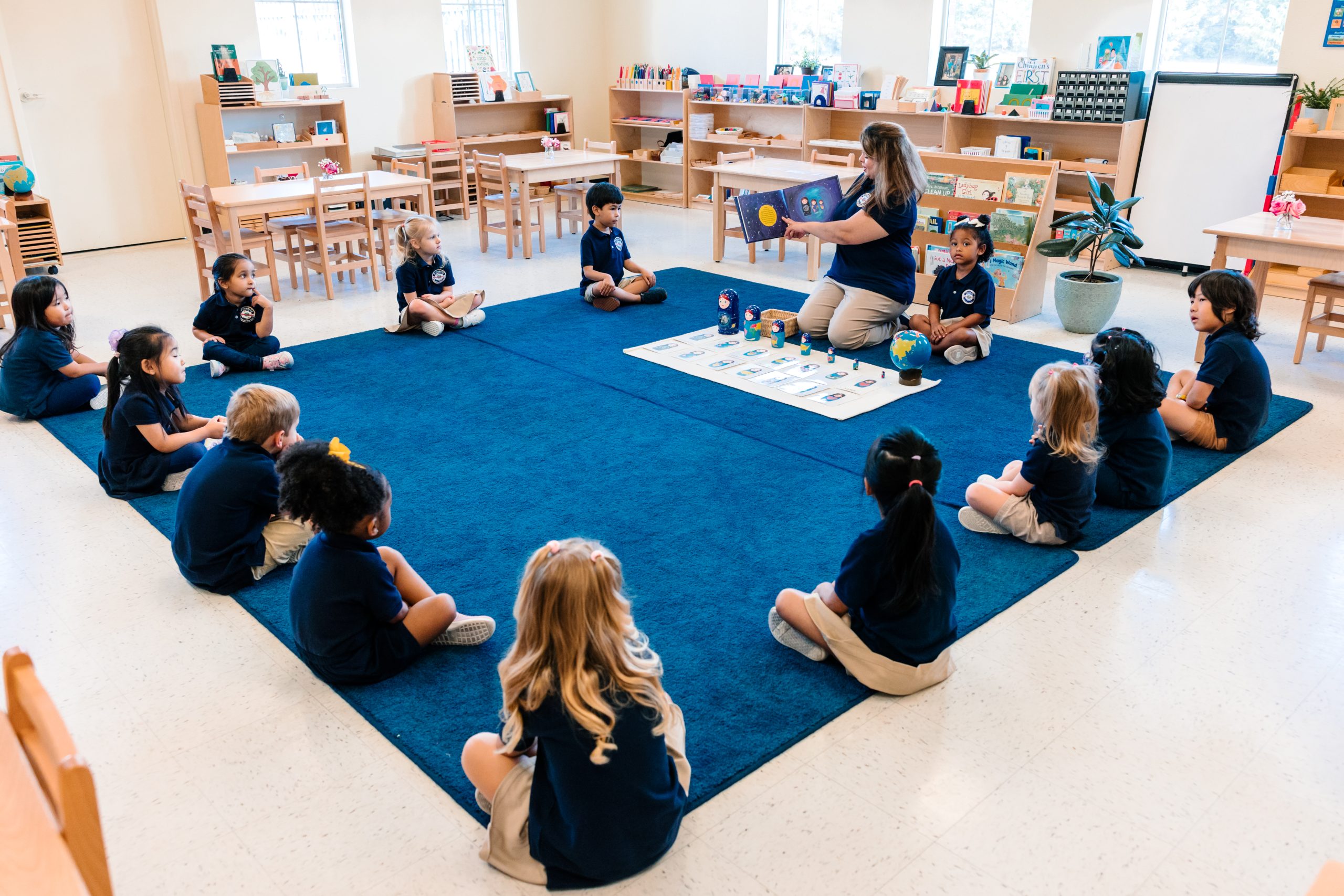
- Mixed-Age Classrooms: A key part of the philosophy is a mixed-age environment, typically with a three-year age range. This allows older children to mentor younger ones and reinforces their own learning, while younger children are inspired by their older classmates.
3. Student-to-Teacher Ratio and Classroom Environment
While a low student-to-teacher ratio is important, the dynamic of the classroom is equally so. In a Montessori setting, the ideal ratio is a group of around 20–30 students with one lead guide and an assistant. This structure allows the children to work independently and collaboratively. The classroom itself, known as the “prepared environment,” should be clean, orderly, and filled with natural light and child-sized furniture. Observe if the children are engaged in purposeful work and if the atmosphere is calm and focused, yet also joyful.
4. School Culture and Parent Communication
A great school is an extension of your family. Look for a school culture that aligns with your values. How does the staff communicate with parents? Ask about their approach to discipline and conflict resolution. Pinnacle Montessori of Georgetown, for example, highlights its commitment to a “nurturing and supportive environment” and “effective” communication with parents. A strong partnership between home and school is crucial for a child’s success in a Montessori program.
5. Parent and Community Reviews
Take the time to read reviews and testimonials from other parents. While individual experiences vary, a pattern of positive feedback on teacher quality, curriculum effectiveness, and the overall school environment is a good sign. Look for comments that mention the school’s ability to foster independence, confidence, and a love of learning in their children, as these are core goals of the Montessori method.