Screen Time with Purpose: Montessori Tips for TV Watching
In today’s digital world, screens have become a regular part of daily life for many families. While technology can provide valuable learning opportunities, it’s important to approach screen time with intention and balance—especially during the early years of development.
From a Montessori perspective, children learn best through meaningful experiences, active exploration, and real-world interactions. Rather than eliminating screens entirely, Montessori encourages families to make thoughtful choices that support healthy development and complement a child’s natural curiosity.
Here are several practical ways to create a balanced and purposeful approach to screen time at home.
Select Content That Inspires Learning
Not all screen time is created equal. When choosing television programs or digital content, focus on options that encourage curiosity, creativity, and discovery.
Educational shows, nature documentaries, cultural programs, and content that introduces children to new ideas can enrich learning when thoughtfully selected. Programs that promote problem-solving, empathy, and an appreciation for the world around us align well with Montessori principles and can spark meaningful conversations long after the screen is turned off.
Establish Consistent Screen Time Routines
Children thrive when they know what to expect. Creating a predictable screen time schedule helps establish healthy boundaries while preventing television from becoming a default activity.
By designating specific times for viewing, children learn to anticipate and appreciate screen time as one part of a balanced day that also includes learning, movement, creativity, and family interaction.
Turn Viewing Into an Active Experience
One of the simplest ways to make screen time more valuable is by engaging with your child during and after the program.
Ask thoughtful questions such as:
- What was your favorite part?
- Why do you think the character made that choice?
- What would you have done differently?
- What did you learn today?
These conversations encourage critical thinking, language development, and deeper understanding. You can also extend learning by inviting your child to draw a picture, create a story, or explore a related topic after watching.
Watch Together Whenever Possible
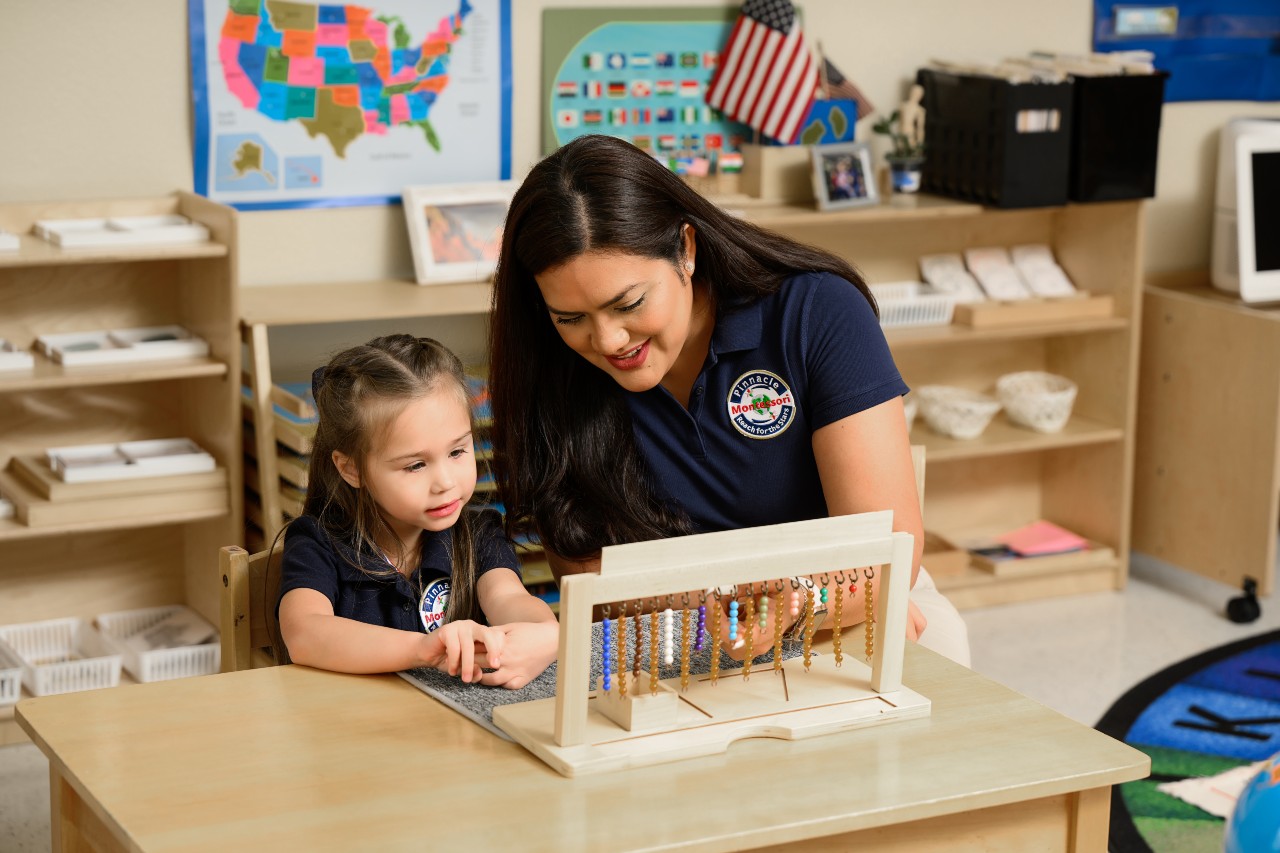
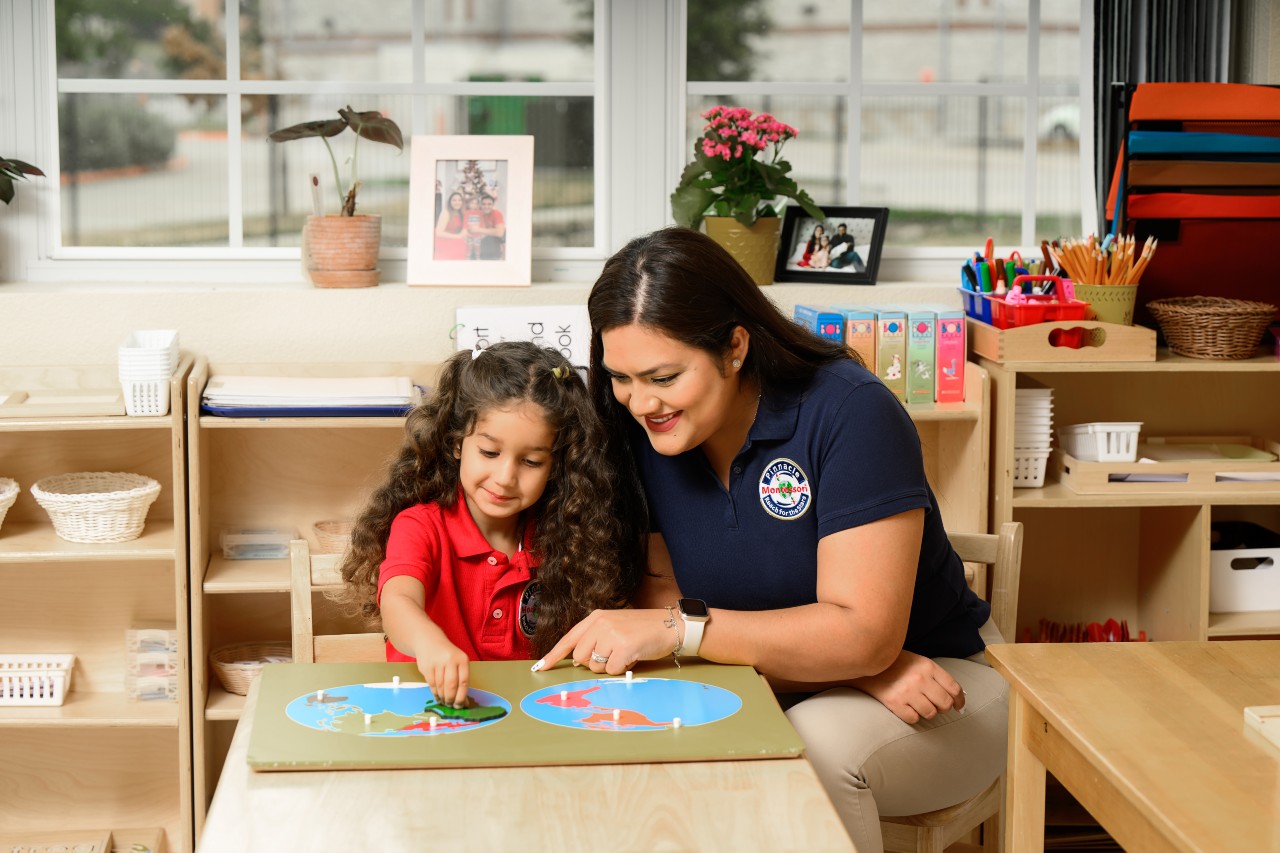
Co-viewing allows parents to better understand what their children are watching while creating opportunities for meaningful interaction.
Watching together helps children process information, ask questions, and develop media literacy skills. It also provides valuable family bonding time and allows parents to model thoughtful observation and discussion.
Create Healthy Limits and Boundaries
Balance is essential for healthy development. The American Academy of Pediatrics recommends limiting screen time for preschool-aged children to approximately one hour per day of high-quality programming and discourages screen exposure for children under two years of age except for video communication with family.
When setting boundaries, consider the overall balance of your child’s day. Screen time should never replace opportunities for physical activity, social interaction, imaginative play, outdoor exploration, or adequate sleep.
Encourage Meaningful Alternatives
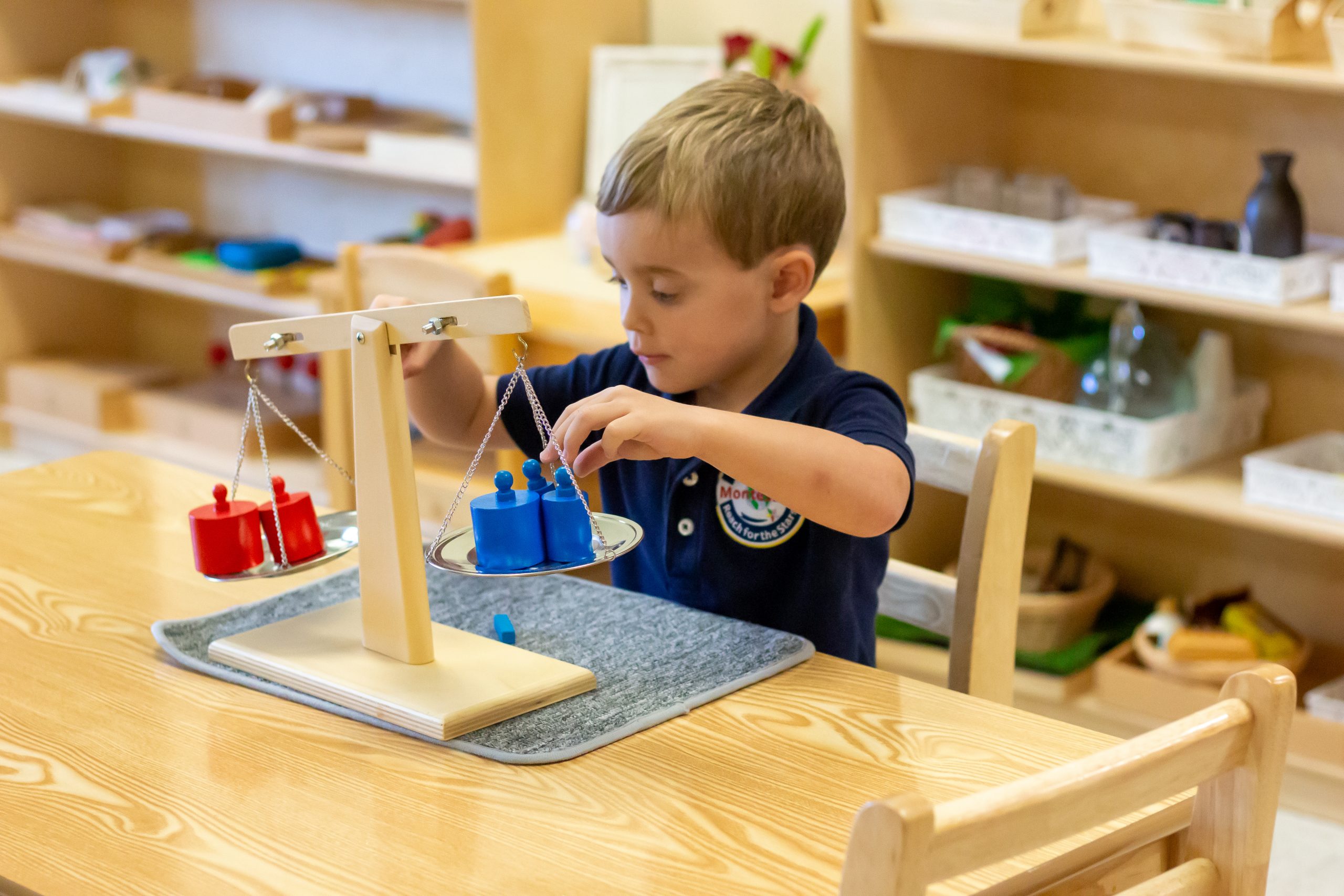
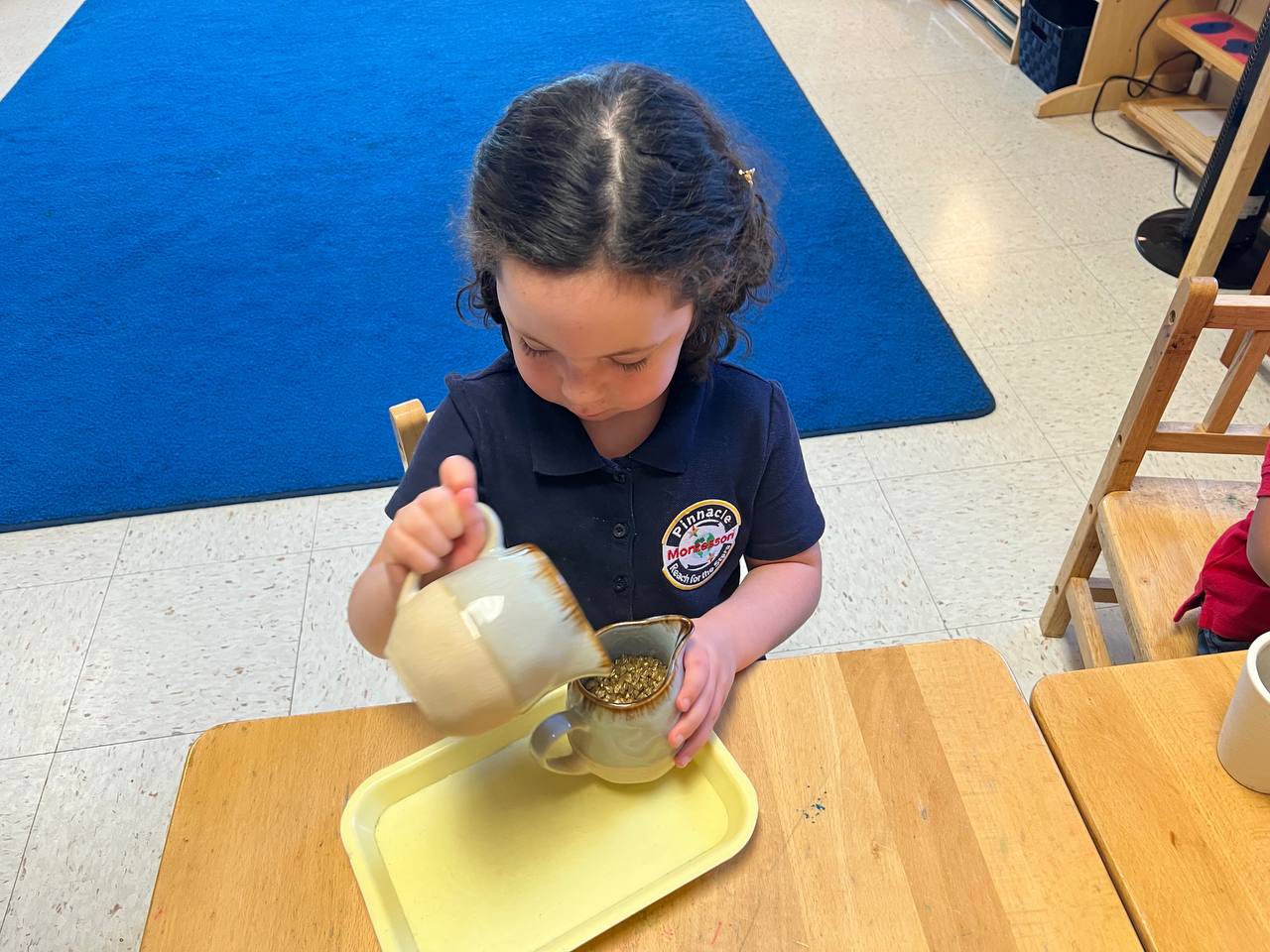
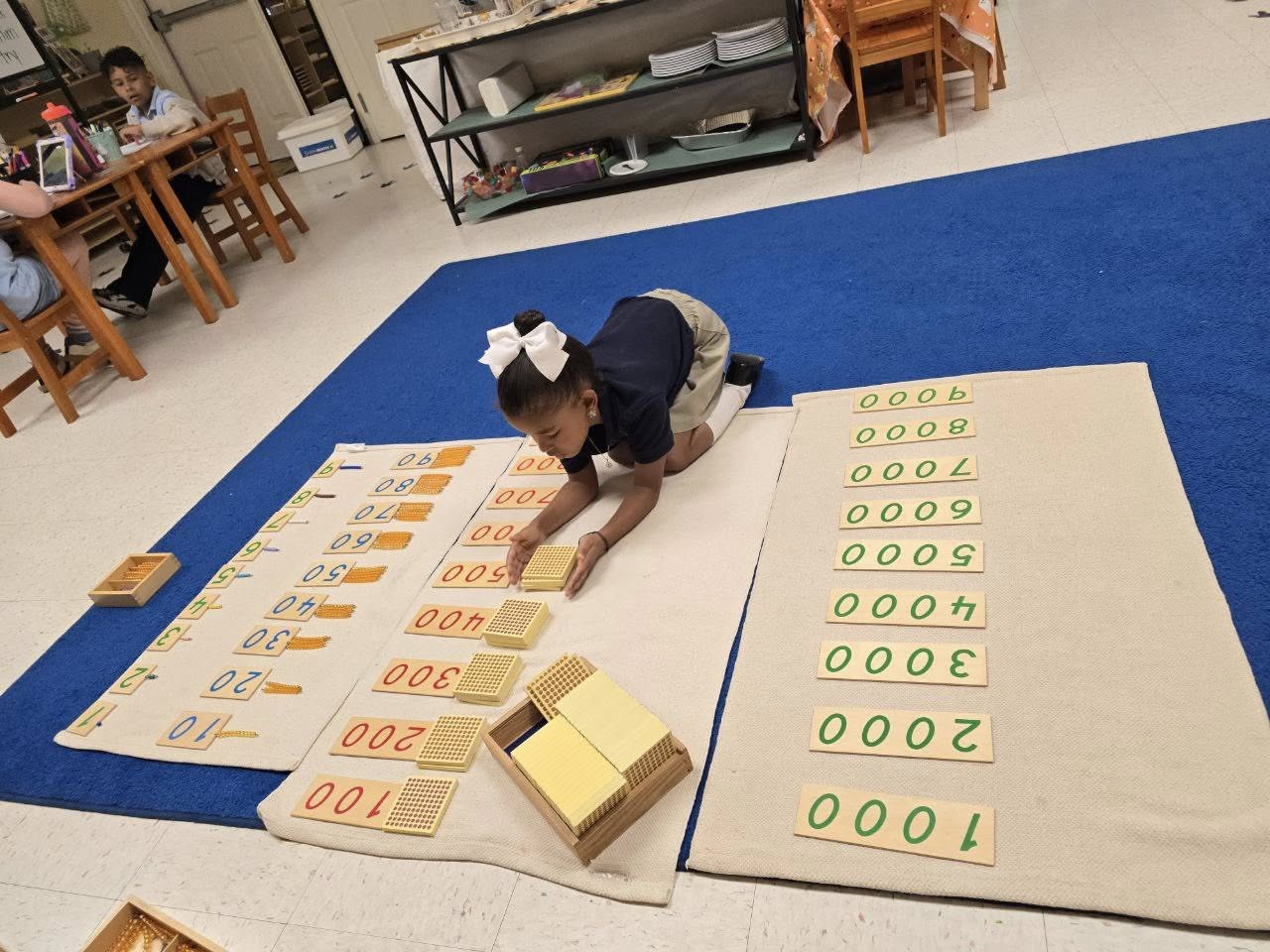
The Montessori philosophy emphasizes active engagement with the environment. Providing inviting alternatives to screens helps children discover the joy of independent exploration and creativity.
Simple activities such as reading, gardening, building projects, art, music, cooking, and outdoor adventures encourage concentration, problem-solving, and self-confidence while supporting cognitive and physical development.
These experiences often provide the rich sensory learning opportunities that young children need most.
Reflect and Connect After Viewing
When screen time ends, take a few moments to reflect with your child. Encourage them to share what they learned, what they found interesting, and how the experience made them feel.
Reflection helps strengthen comprehension, communication skills, and emotional awareness while reinforcing the learning that took place during the viewing experience.
Supporting Balanced Growth Through Montessori Education
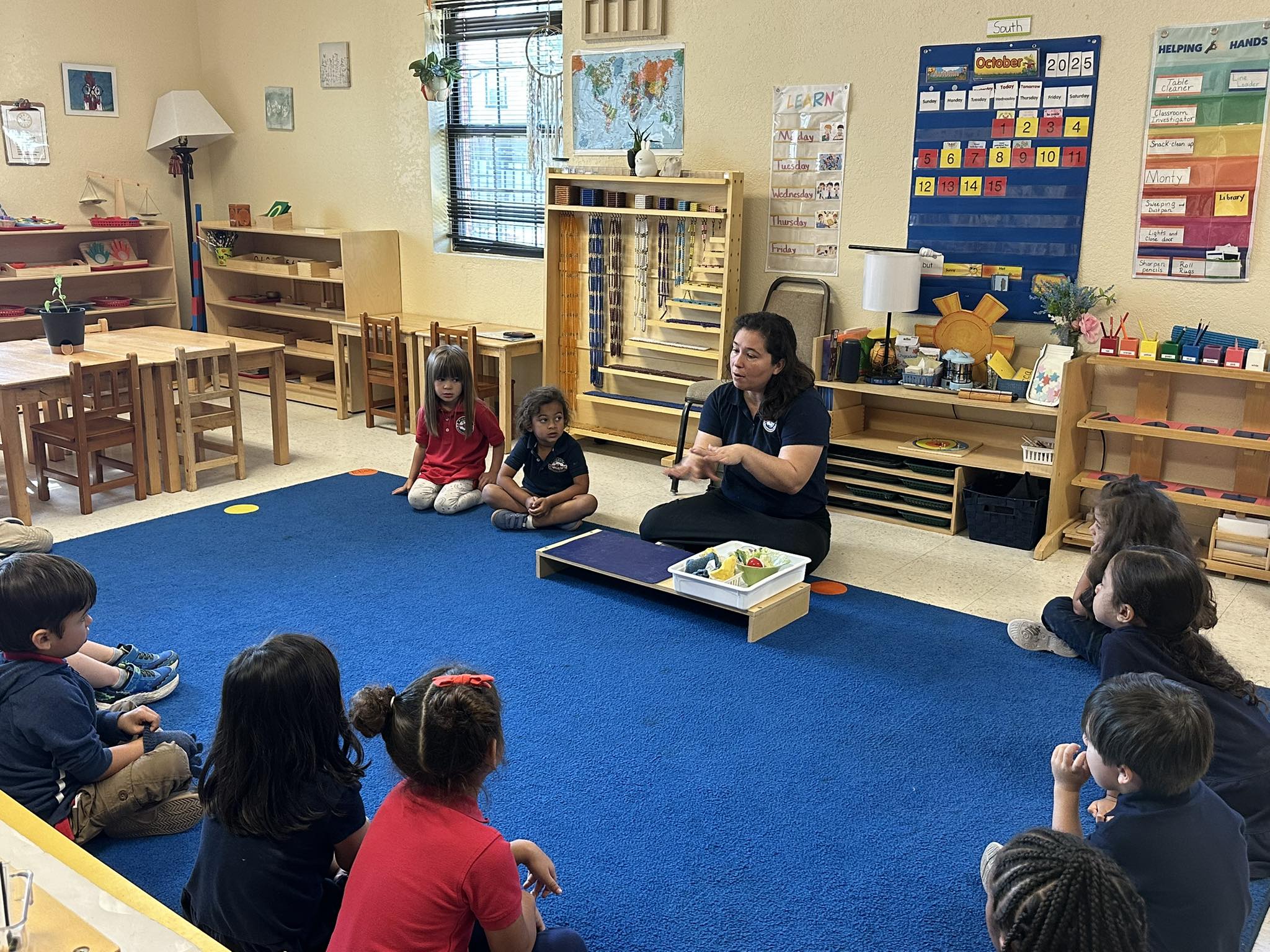
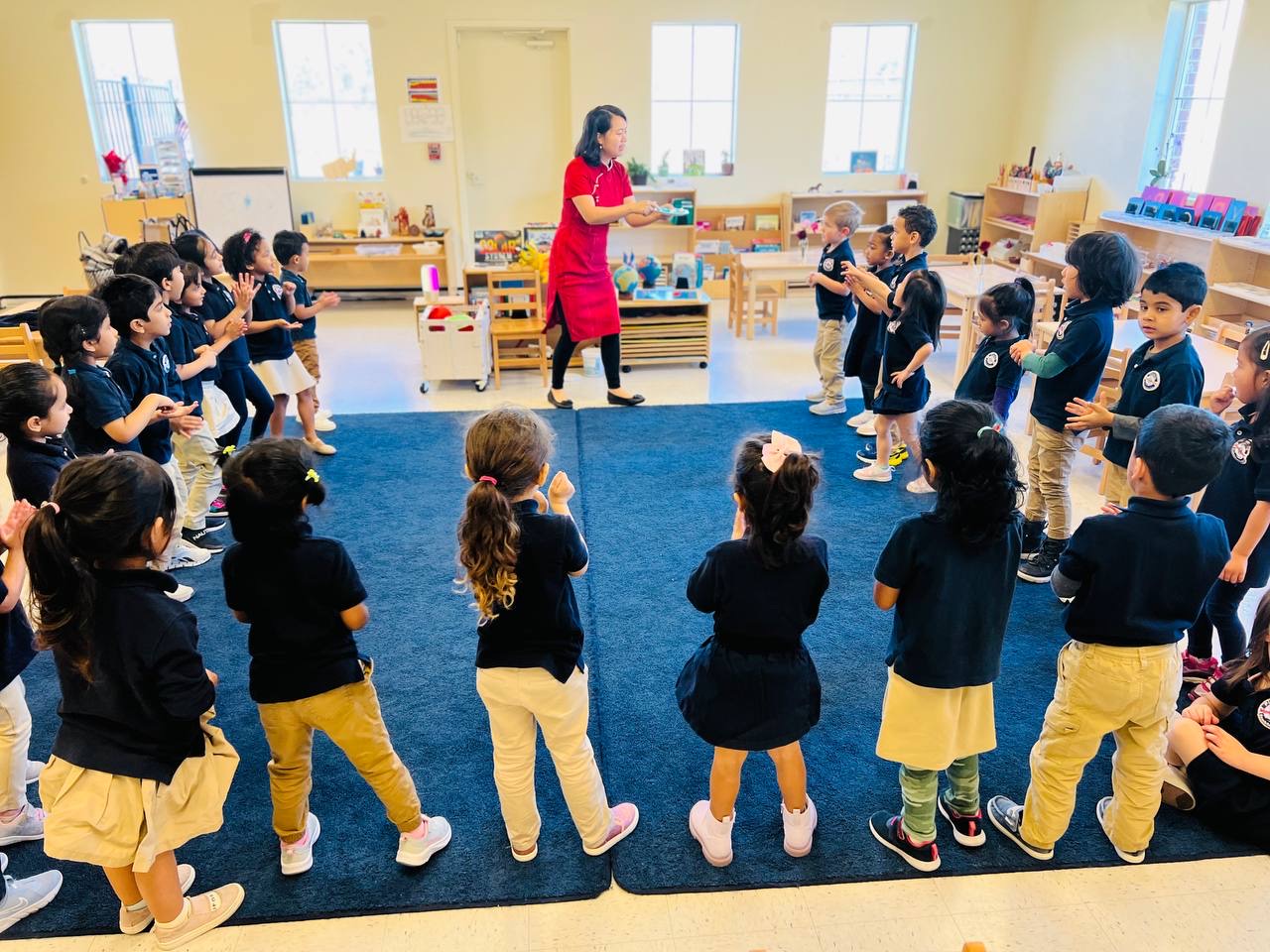
At Pinnacle Montessori of Alamo Ranch, we believe children thrive when they are provided with opportunities to explore, discover, and learn through purposeful experiences. Our carefully prepared Montessori environments encourage independence, concentration, creativity, and a lifelong love of learning.
Through age-appropriate Montessori programs, we support each stage of development while helping children build the skills and confidence they need for future success.