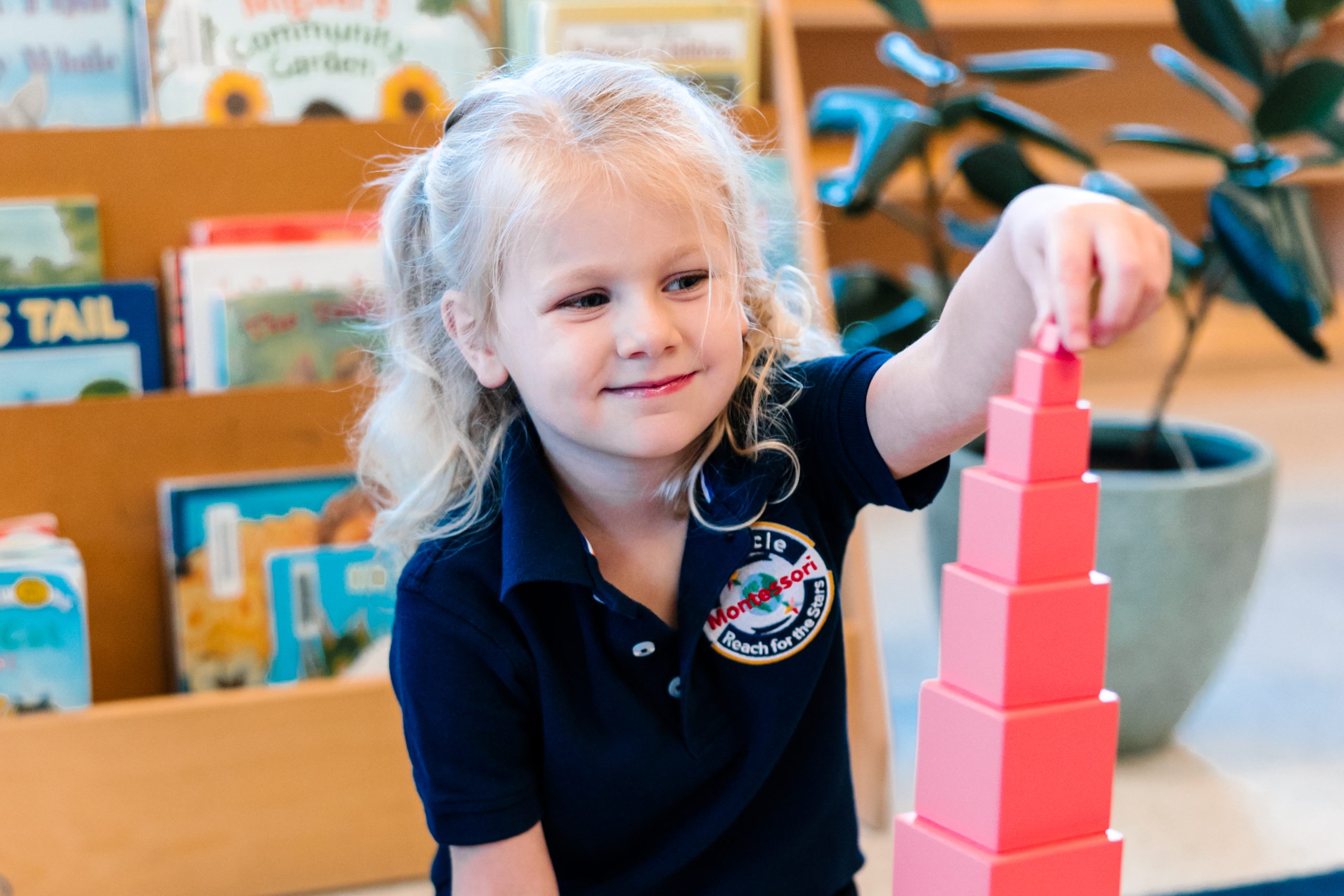
Selecting the right educational program is one of the most important decisions parents make for their child’s future. Every child learns differently, has unique interests, and thrives in different environments. With so many educational options available today, finding the best fit can feel overwhelming. However, by focusing on your child’s individual needs and carefully evaluating available programs, you can make a confident and informed decision.
Understanding Your Child’s Learning Style
Every child approaches learning in their own way. Some children learn best by seeing information presented visually, while others prefer listening to explanations or actively engaging with materials through movement and exploration.
Observing how your child naturally interacts with the world can provide valuable insight into the type of educational environment where they are most likely to succeed. A program that aligns with your child’s learning preferences can help build confidence, engagement, and a lifelong love of learning.
Exploring Different Educational Approaches
Families today have access to a wide range of educational options. Traditional public schools, private schools, charter schools, online programs, homeschooling, and Montessori education each offer unique benefits and teaching philosophies.
As you explore these options, consider how each program approaches learning, student engagement, classroom structure, and individualized instruction. The best educational program is one that supports both your child’s academic growth and personal development.
Looking Beyond Academics
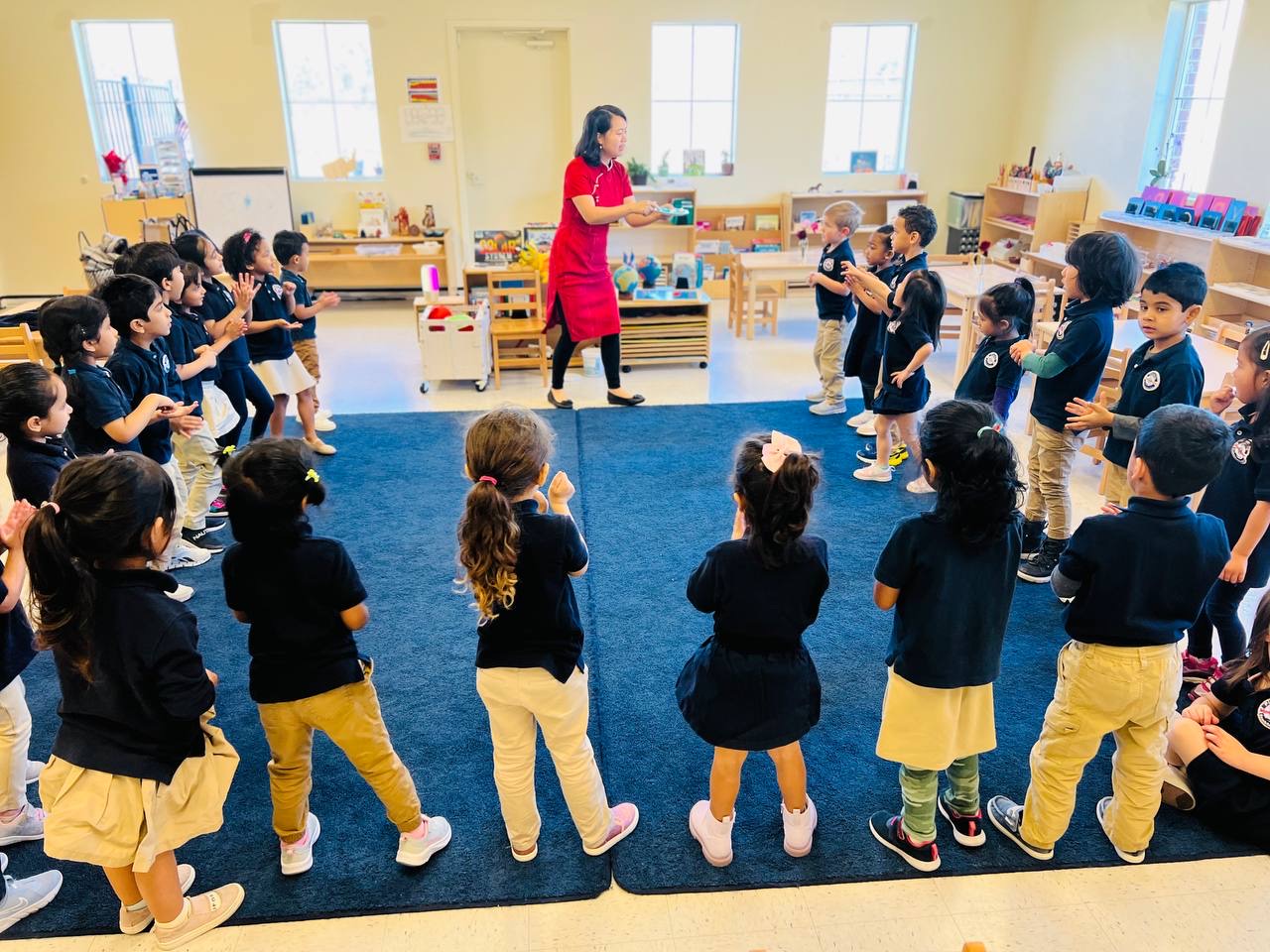
While academic excellence is important, a well-rounded education extends beyond core subjects. Children benefit from opportunities that encourage creativity, leadership, communication, problem-solving, and social development.
When evaluating educational programs, consider whether they provide enriching experiences such as art, music, physical activity, cultural studies, and opportunities for collaboration. These experiences help children develop important life skills while fostering confidence and independence.
Evaluating the Learning Environment
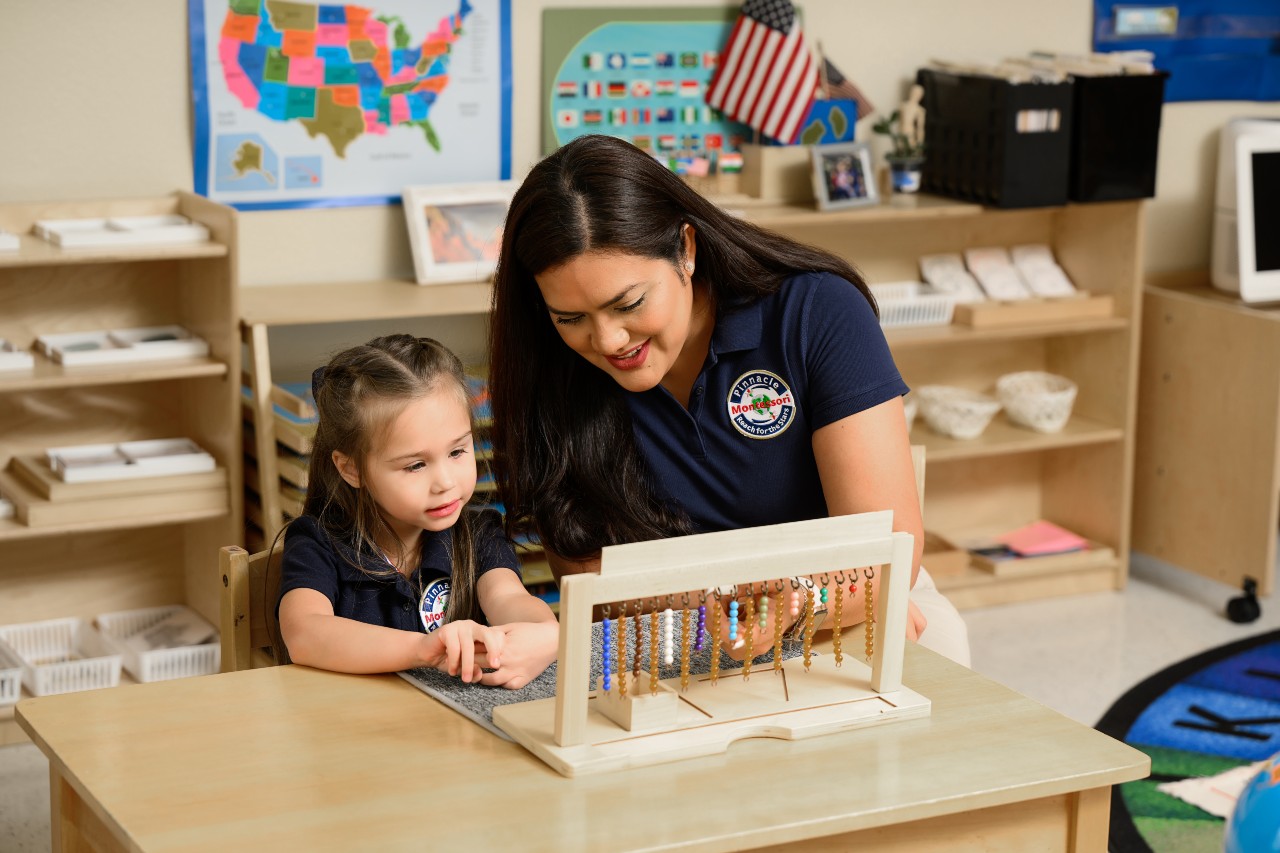
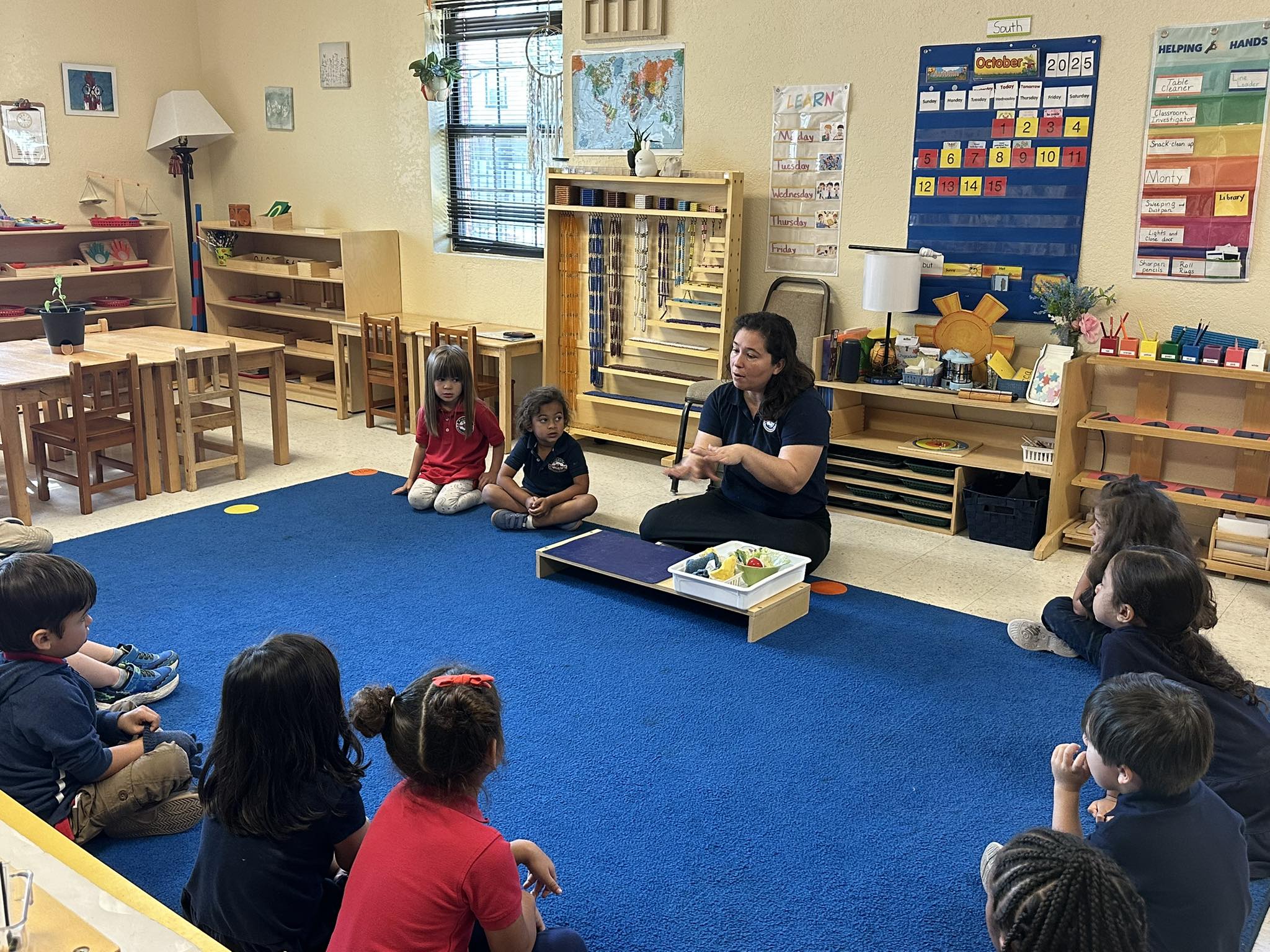
The classroom environment plays a significant role in a child’s educational experience. During school visits, observe how students interact with teachers, how engaged they appear, and whether the atmosphere feels welcoming and supportive.
A positive learning environment should encourage curiosity, respect, and active participation. Children are more likely to thrive when they feel safe, valued, and inspired to learn.
Understanding the School’s Educational Philosophy
Every school has its own approach to education. Some programs emphasize standardized instruction, while others focus on individualized learning and student-led exploration.
Take time to understand the school’s mission, values, and educational philosophy. Ask questions about how students are supported academically, socially, and emotionally. Finding a program whose philosophy aligns with your family’s values can contribute to a more meaningful educational experience.
Learning From Other Families
Speaking with current parents can provide valuable insight into a school’s strengths and culture. Families often offer perspectives that go beyond what is shared during tours and informational meetings.
Learning about other parents’ experiences can help you better understand how the school supports students, communicates with families, and fosters a sense of community.
Considering Practical Factors
Practical considerations are also important when selecting an educational program. Factors such as location, transportation, school hours, and tuition can impact your family’s daily routine and long-term experience.
Choosing a school that balances educational quality with convenience can help create a positive and sustainable experience for both parents and children.
Trusting Your Parent Instincts
Research, school visits, and recommendations are valuable tools, but parents often have an instinctive sense of whether a school feels right for their child.
Pay attention to how your child responds during visits and how comfortable you feel with the school’s environment and approach. The right educational program should not only meet academic goals but also support your child’s happiness, confidence, and overall well-being.
Why Montessori Education Is Worth Considering
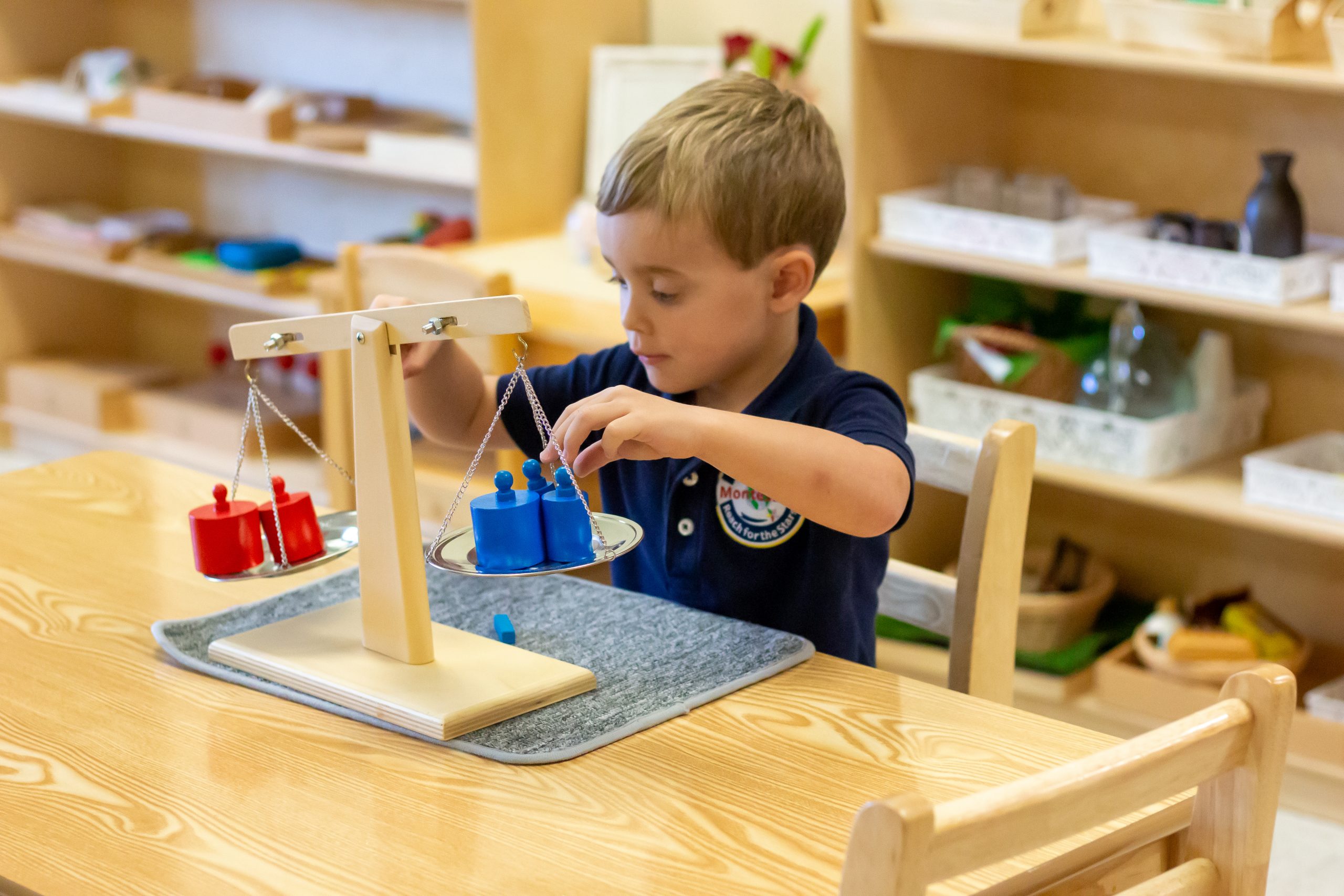
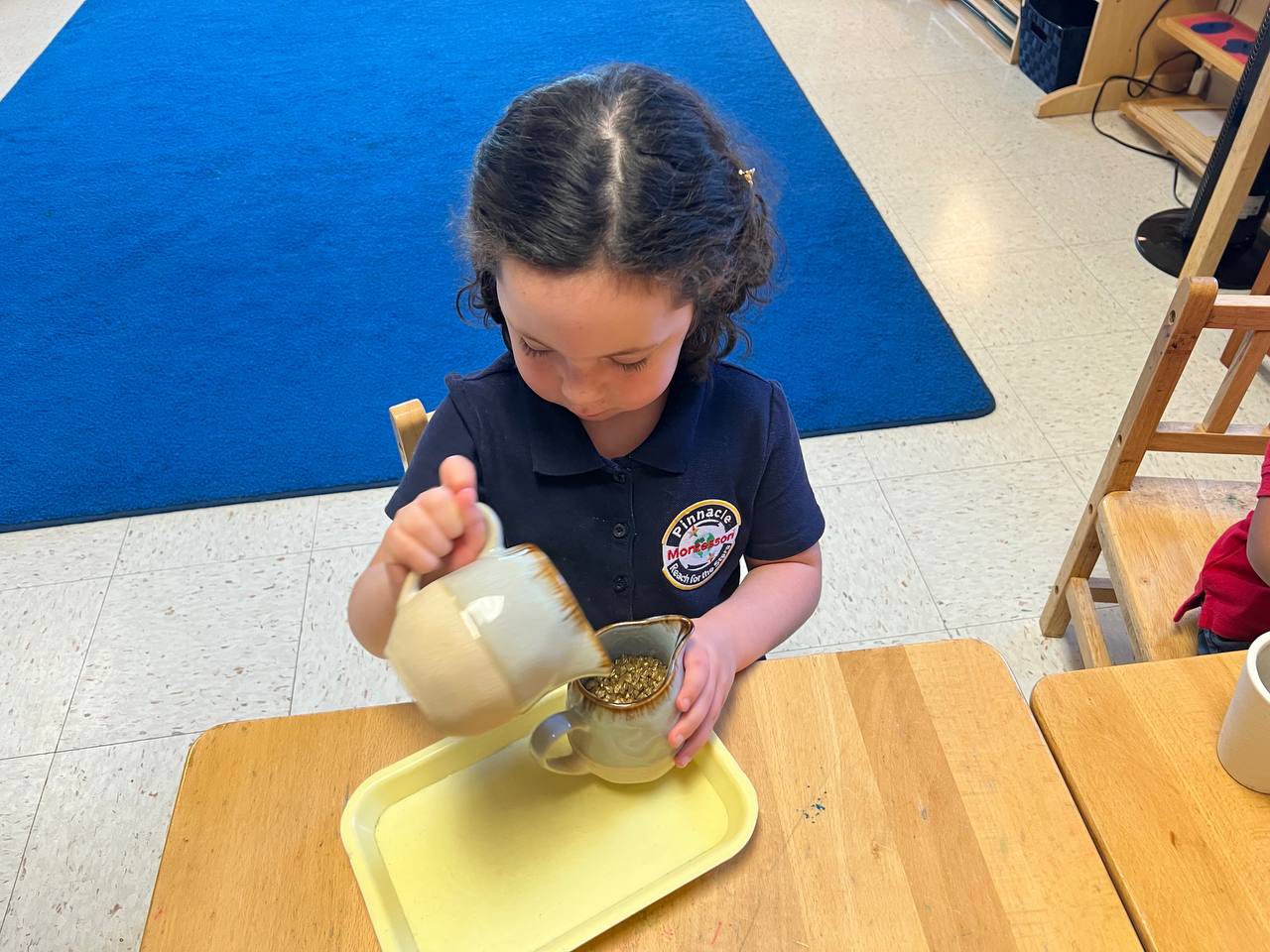
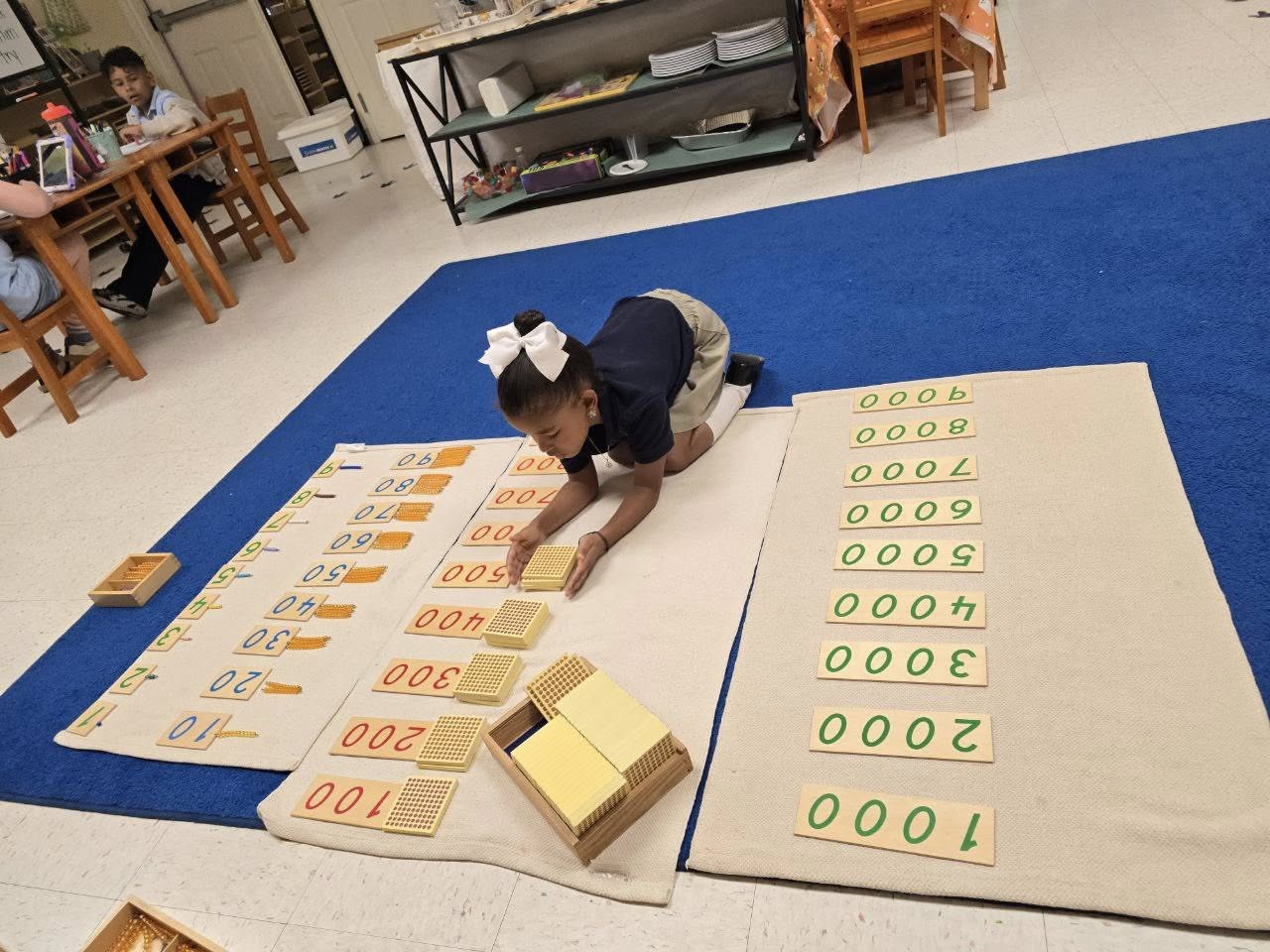
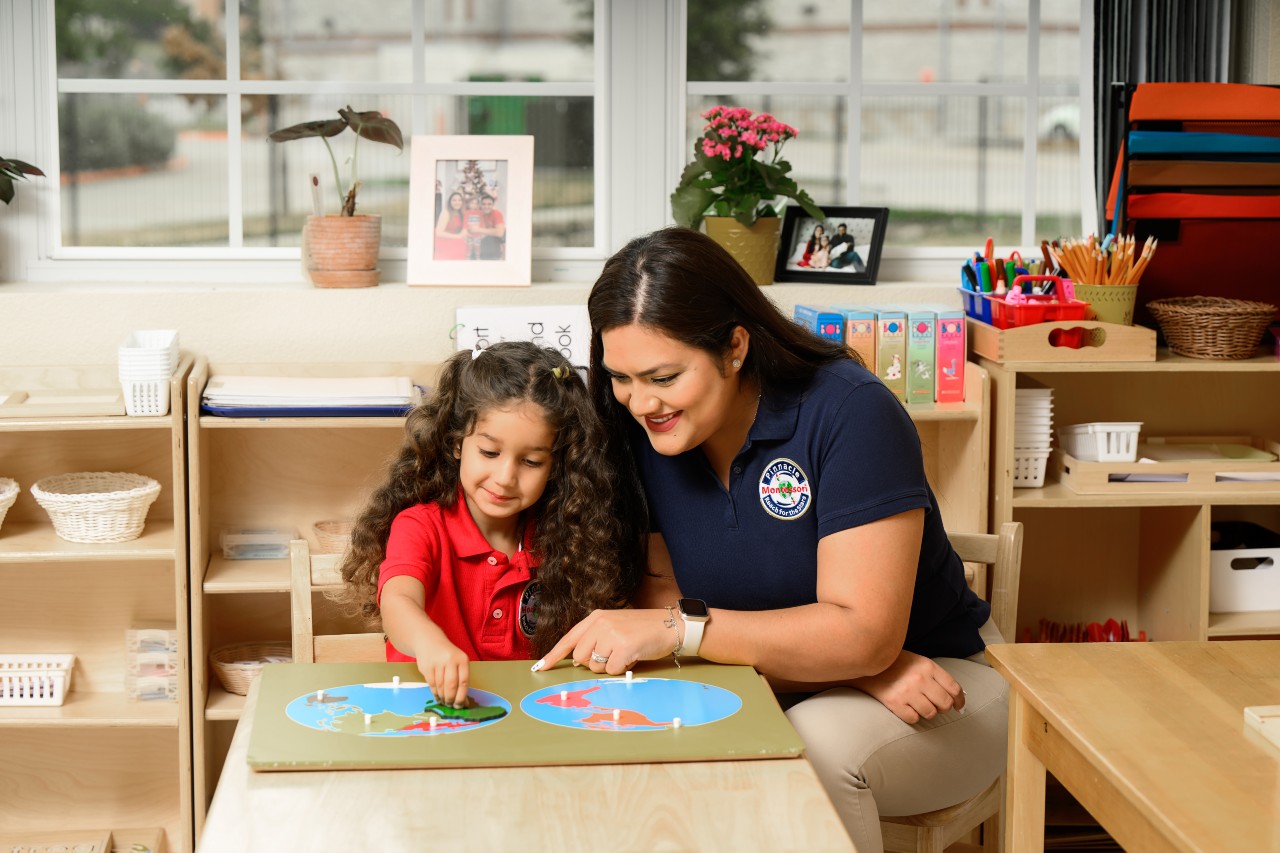
Many families choose Montessori education because of its focus on individualized learning, independence, critical thinking, and respect for each child’s unique developmental journey.
Montessori classrooms provide children with opportunities to explore their interests, make meaningful choices, and learn at their own pace within a carefully prepared environment. This approach helps foster confidence, responsibility, and a genuine love of learning that extends far beyond the classroom.