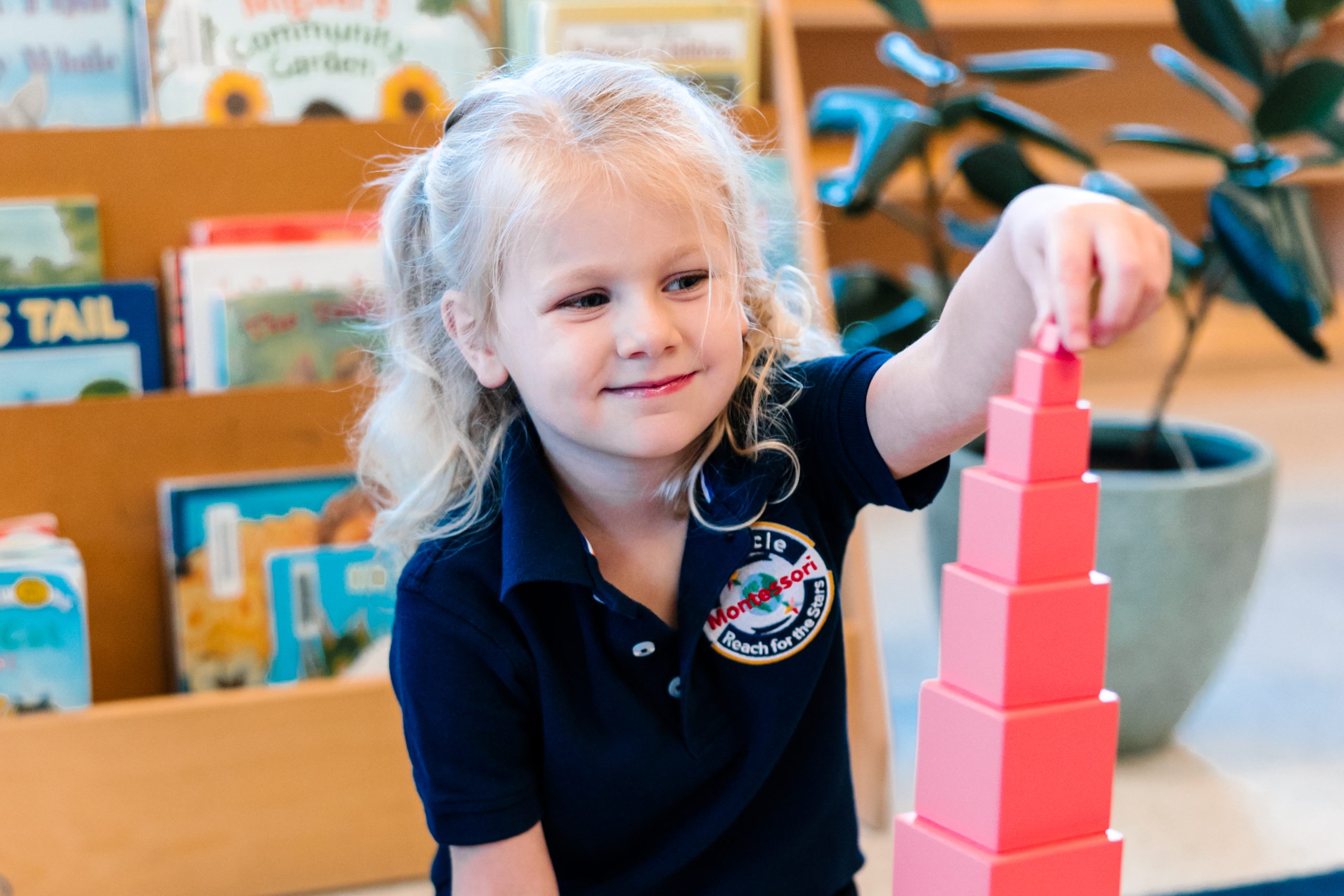
When parents think about education, academic achievement is often one of the first priorities that comes to mind. However, a truly meaningful education extends beyond reading, mathematics, and science. It also helps children develop important social and emotional skills that shape how they interact with the world around them.
One of the most valuable qualities children can develop is empathy—the ability to understand, respect, and care about the feelings and experiences of others. Montessori education places a strong emphasis on nurturing empathy, kindness, and social responsibility alongside academic growth.
Through carefully prepared environments and meaningful daily interactions, Montessori classrooms help children develop the emotional intelligence needed to build positive relationships and become compassionate members of their communities.
Creating a Culture of Respect
Respect is a fundamental principle of Montessori education. Children are encouraged to respect themselves, their peers, their teachers, and their environment from an early age.
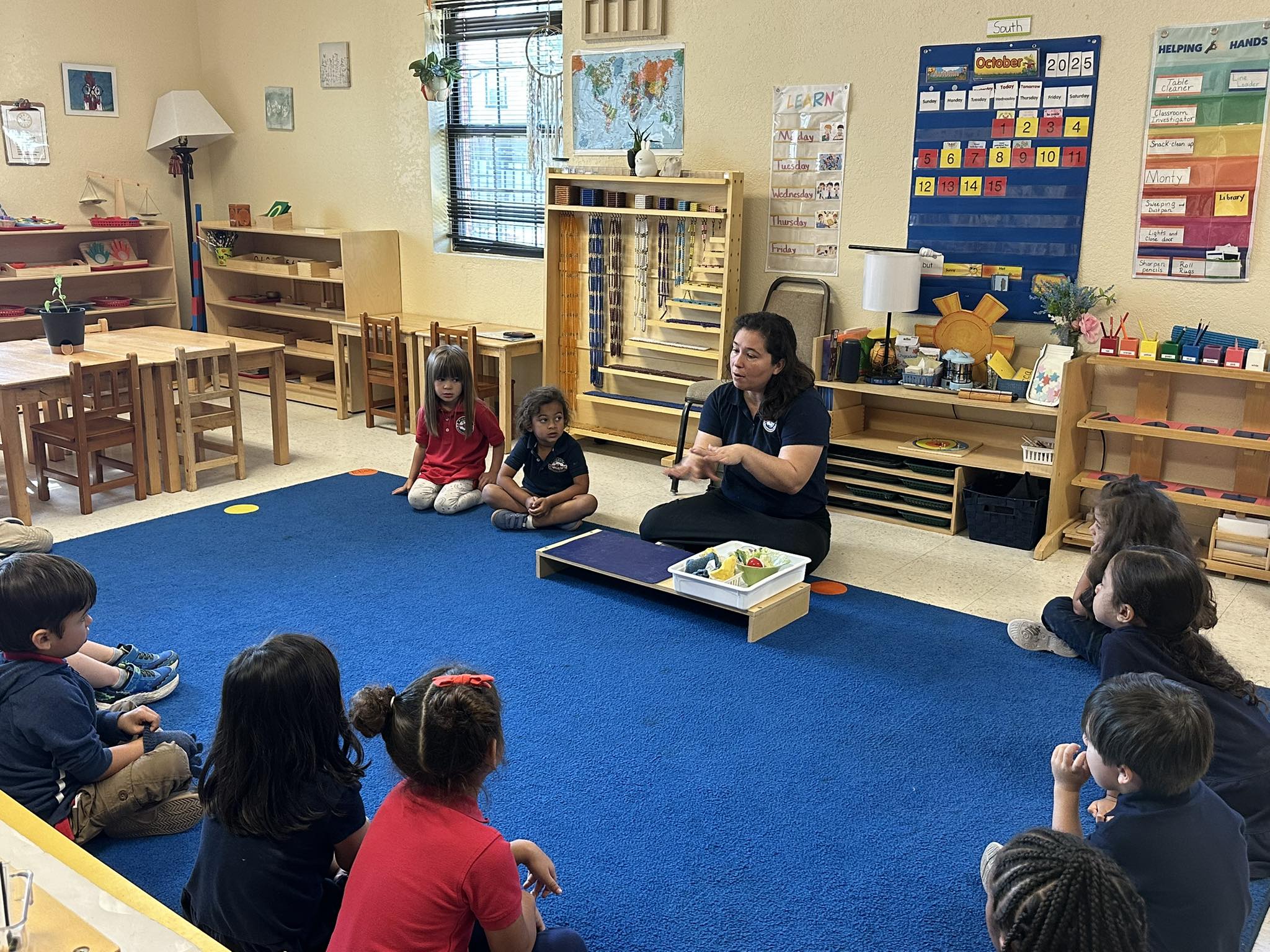
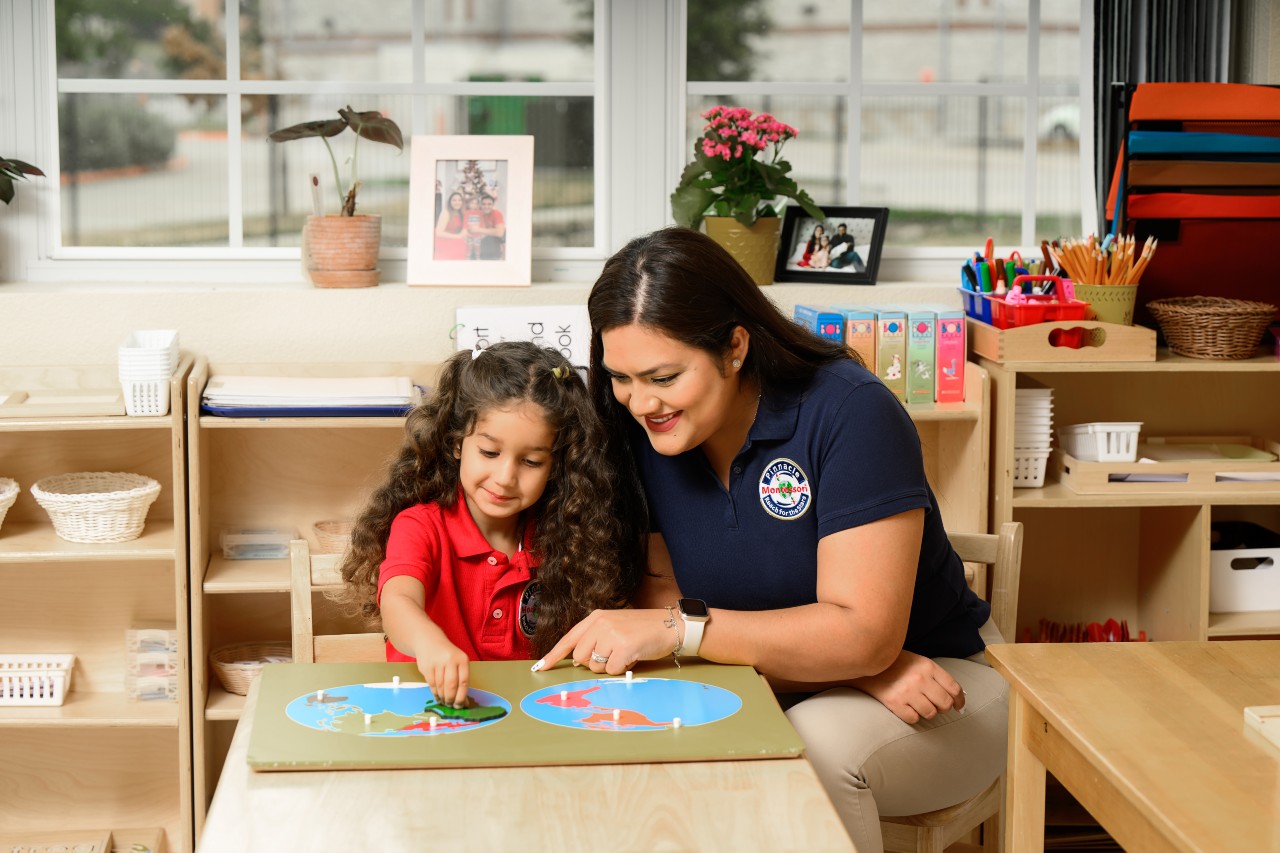
In a Montessori classroom, educators model respectful communication and positive interactions throughout the day. Children learn to listen attentively, share ideas thoughtfully, and appreciate differing perspectives. This atmosphere of mutual respect helps children understand that every individual has value and deserves to be treated with kindness.
As children experience respect firsthand, they naturally begin to extend that same consideration to others.
Encouraging Independence While Building Awareness of Others
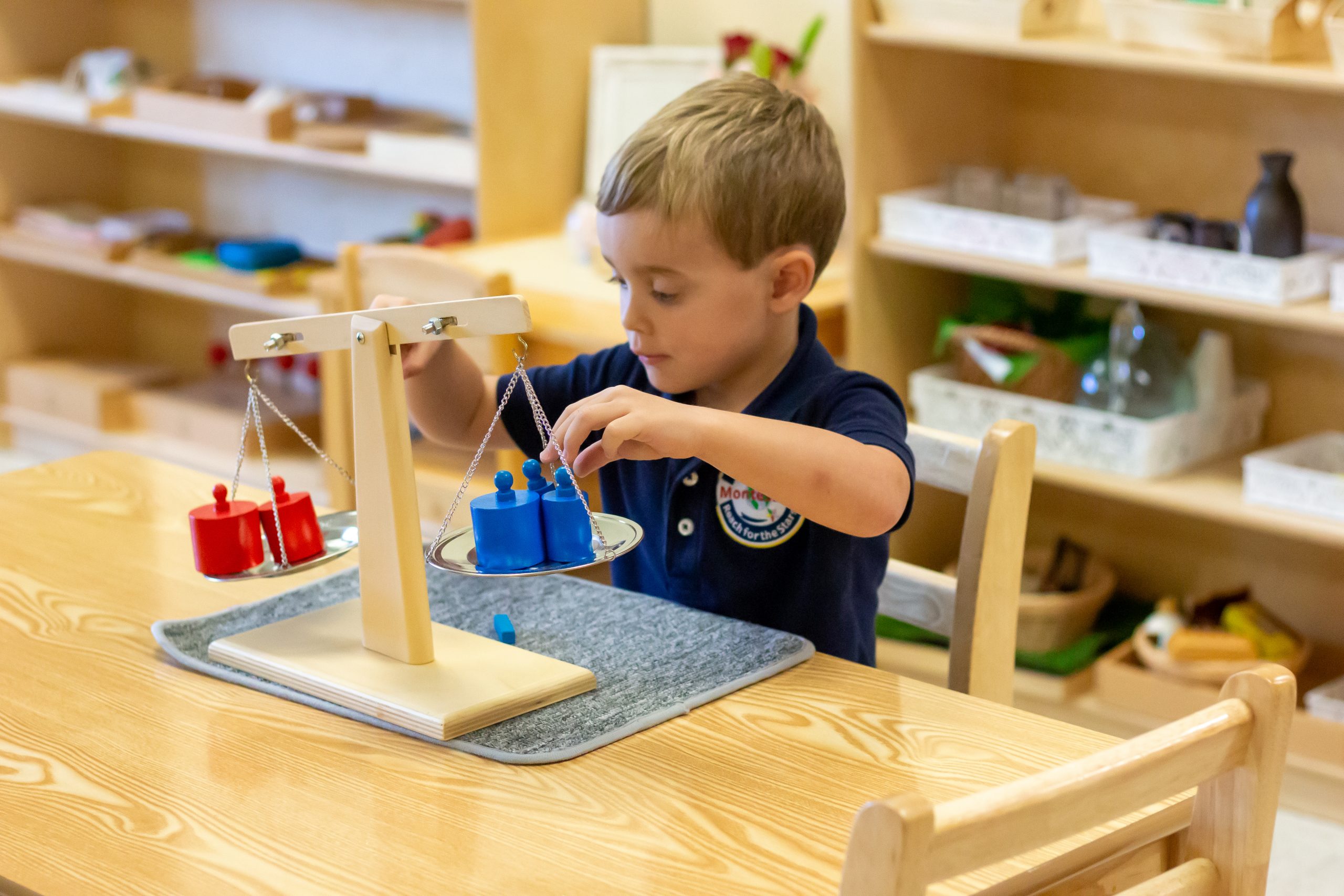
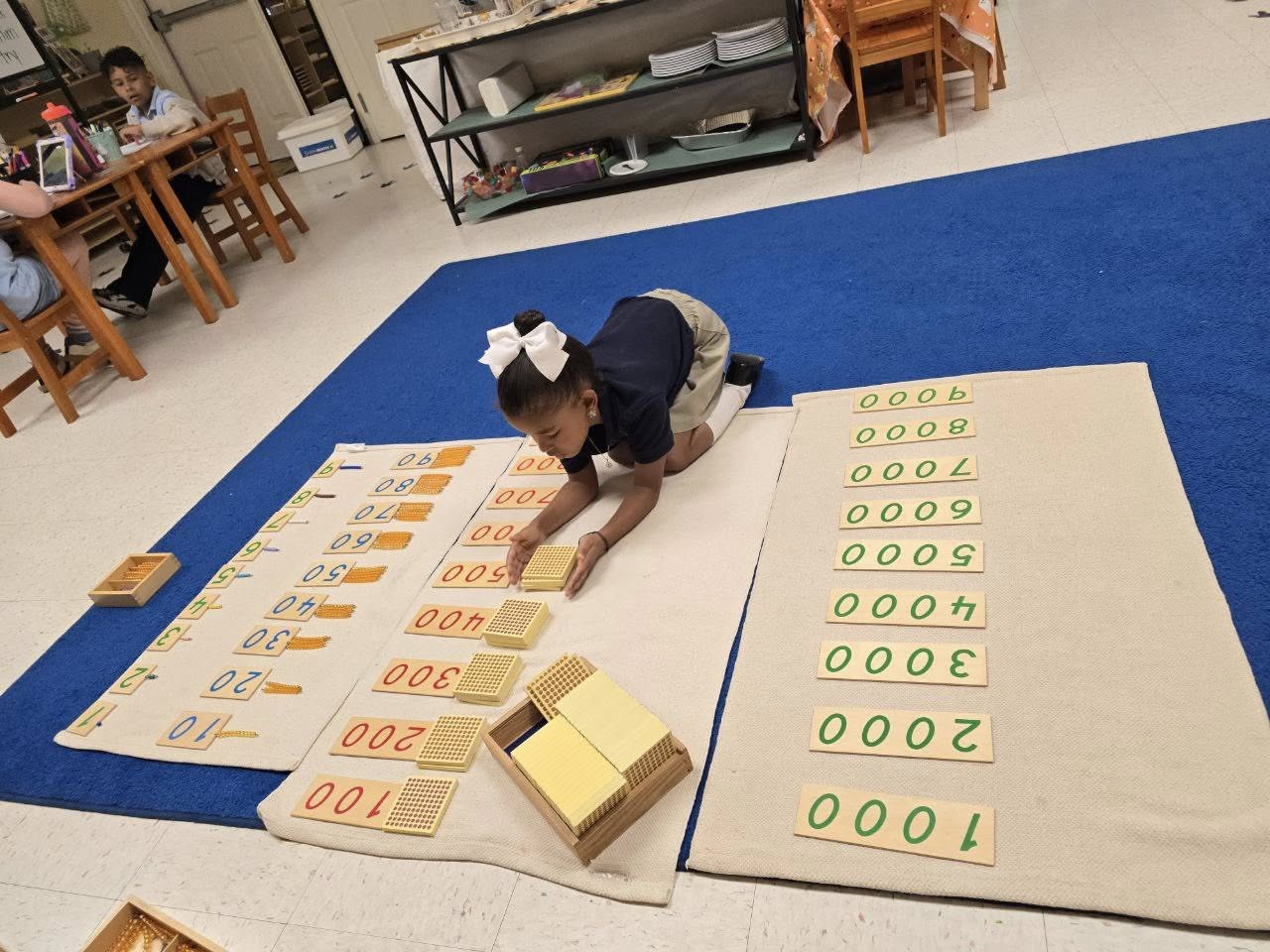
Montessori classrooms are designed to help children develop confidence and independence. Students are given opportunities to make choices, solve problems, and take responsibility for their daily activities.
As children become more self-aware and capable, they also learn that their actions affect those around them. They begin to understand the importance of helping classmates, respecting shared spaces, and contributing positively to their learning community.
This balance between independence and responsibility encourages children to become thoughtful individuals who consider both their own needs and the needs of others.
Learning Through Collaborative Experiences
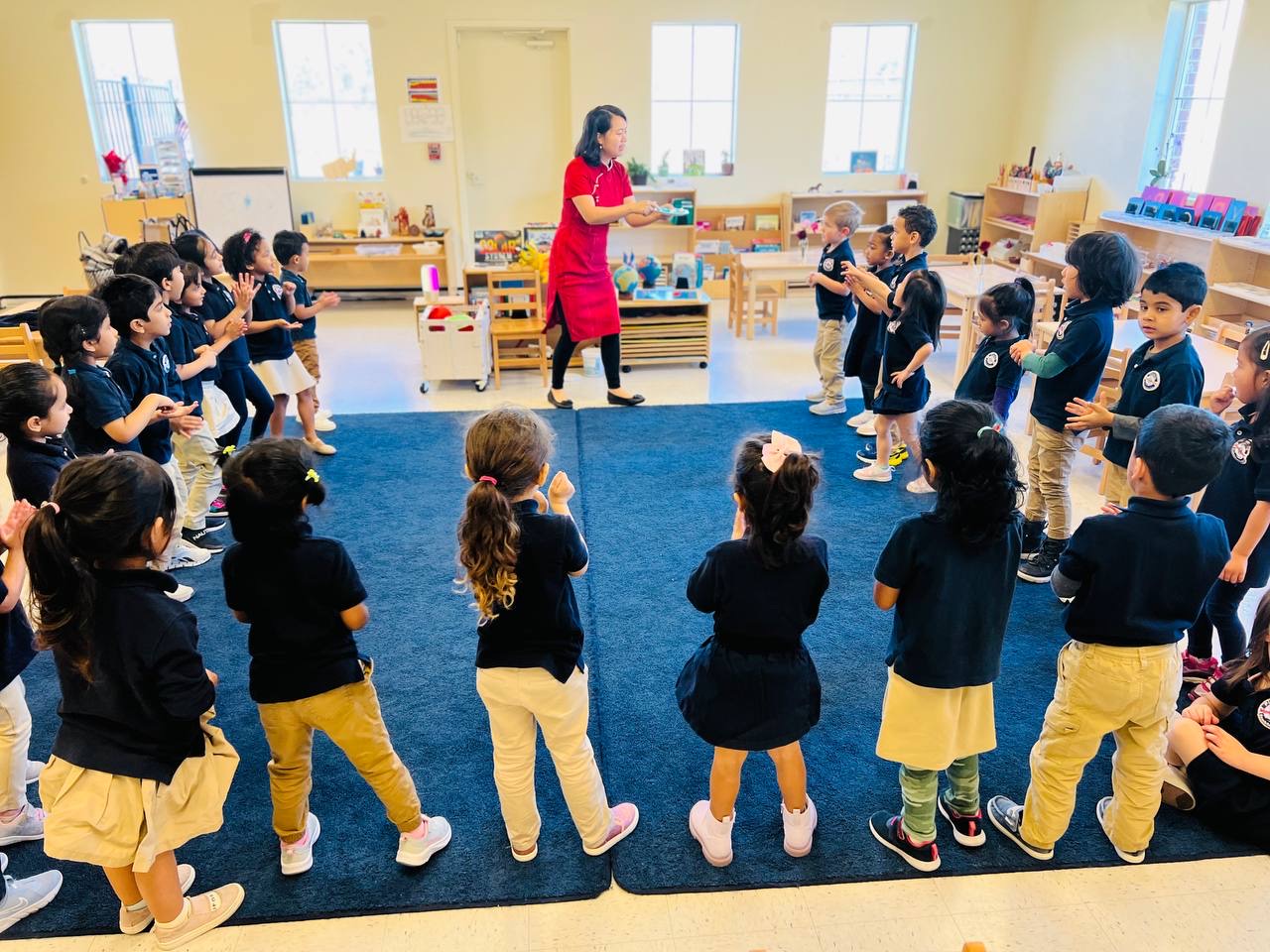
Unlike highly competitive educational environments, Montessori classrooms encourage collaboration and cooperation. Children often work together, share knowledge, and support one another throughout the learning process.
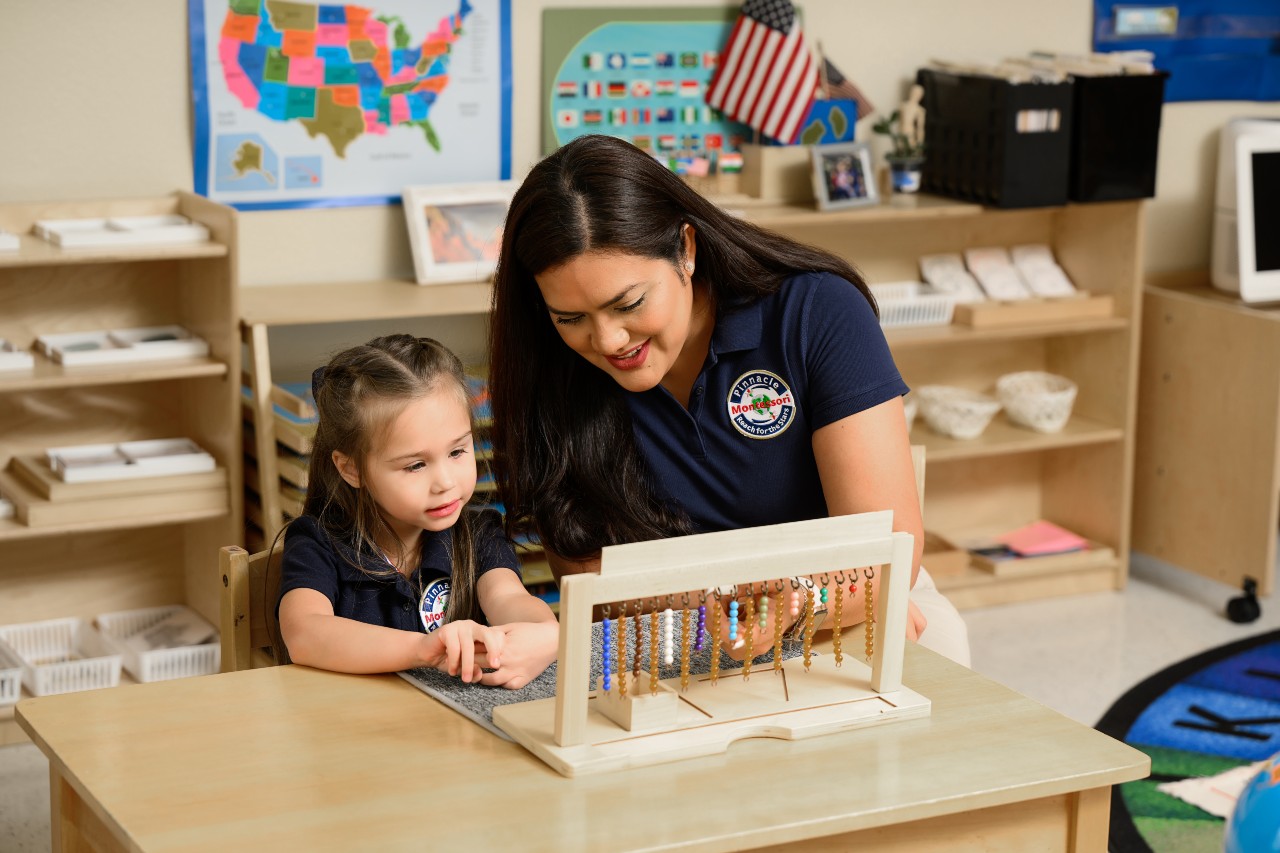
Multi-age classrooms create additional opportunities for empathy to flourish. Younger children benefit from observing older peers, while older students develop leadership skills by offering guidance and encouragement.
These daily interactions help children build patience, understanding, and a genuine appreciation for helping others succeed.
Teaching Healthy Conflict Resolution
Disagreements are a natural part of childhood, but they can also become valuable learning experiences.
Montessori educators guide children through conflict resolution by encouraging respectful communication, active listening, and problem-solving. Rather than simply solving disputes for children, teachers help them understand different perspectives and work together to find solutions.
Through this process, children learn how to express their feelings appropriately, understand the emotions of others, and develop the interpersonal skills necessary for healthy relationships.
Fostering Kindness Through Service and Community Awareness
Montessori education encourages children to see themselves as active contributors to their communities. Students are often introduced to opportunities that promote kindness, generosity, and social responsibility.
Whether participating in classroom responsibilities, helping peers, caring for the environment, or contributing to community projects, children learn that even small actions can positively impact others.
These experiences help children develop compassion and a deeper understanding of how their choices can make a difference in the lives of those around them.
Developing Emotional Intelligence for Life
Empathy is closely connected to emotional intelligence—the ability to recognize, understand, and manage emotions effectively.
Montessori classrooms provide opportunities for children to identify feelings, practice self-regulation, and build positive social connections. By developing emotional awareness at an early age, children gain skills that support success not only in school but throughout their lives.
Strong emotional intelligence contributes to healthier relationships, greater resilience, effective communication, and increased confidence in social situations.
Preparing Children to Become Compassionate Leaders
The goal of Montessori education extends far beyond academic preparation. Montessori environments strive to help children become thoughtful, respectful, and compassionate individuals who contribute positively to the world around them.
By nurturing empathy, cooperation, responsibility, and kindness, Montessori education helps children develop the character traits needed to become confident leaders, caring friends, and engaged community members.
Growing Hearts and Minds at Pinnacle Montessori of Alamo Ranch
At Pinnacle Montessori of Alamo Ranch, we believe that education should support the development of the whole child. Alongside academic excellence, we are committed to helping children build confidence, independence, empathy, and respect for others.
Our carefully prepared Montessori classrooms provide opportunities for meaningful social interactions, collaborative learning, and personal growth that help children develop the skills they need for lifelong success.
To learn more about our Montessori programs in Alamo Ranch, San Antonio, or to schedule a tour, contact Pinnacle Montessori of Alamo Ranch today. We would love to show you how our nurturing Montessori environment helps children thrive academically, socially, and emotionally.