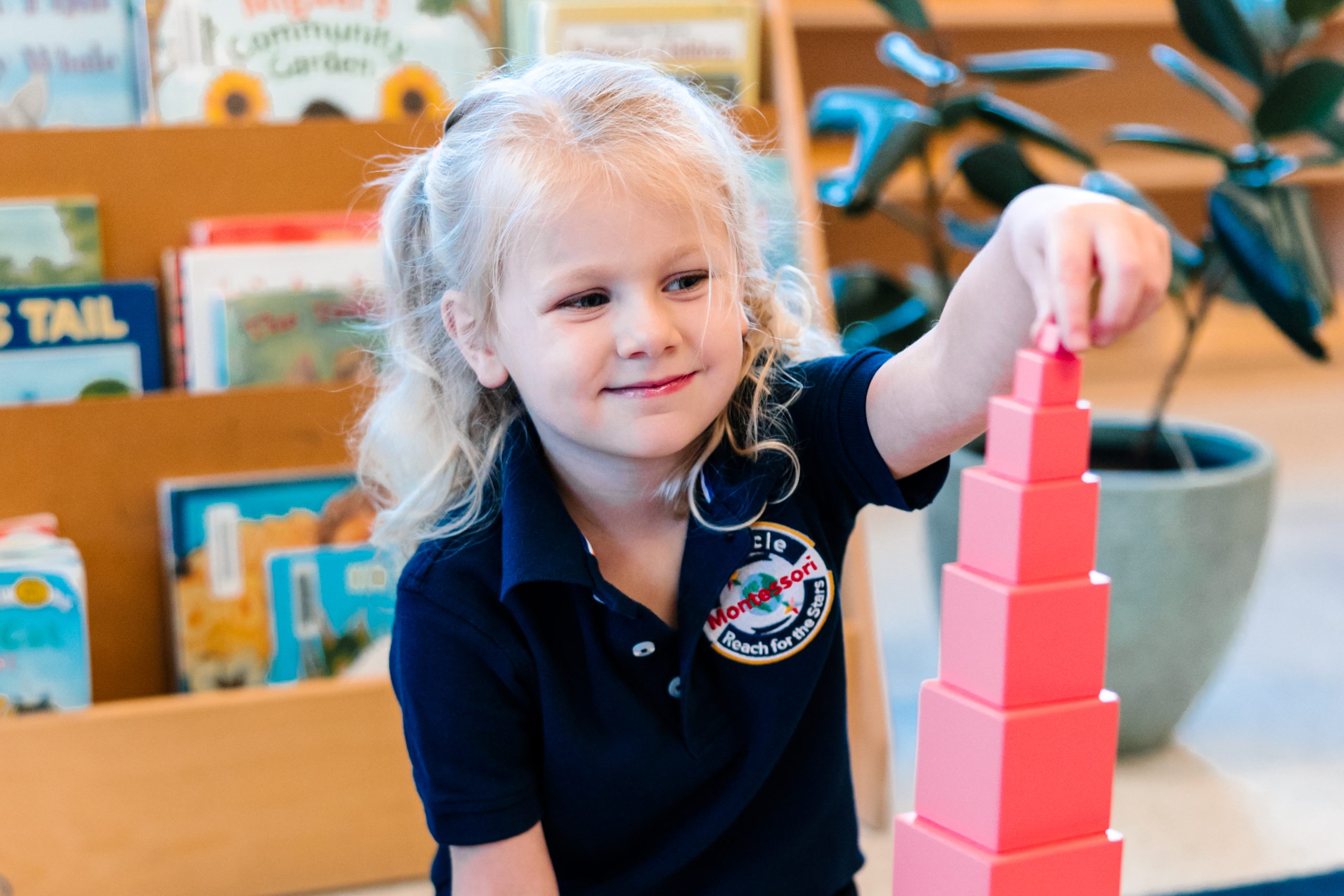
One of the greatest gifts parents can give their children is the confidence to think independently, make decisions, and discover their own strengths. While traditional educational models often focus on following instructions and meeting standardized expectations, Montessori education takes a different approach—one that empowers children to become active participants in their own learning journey.
At the heart of every Montessori classroom is the belief that children are naturally curious, capable, and eager to learn. By providing the right environment and guidance, Montessori schools help children develop independence, self-confidence, and a deeper understanding of themselves and the world around them.
Empowering Children to Make Meaningful Choices
In a Montessori environment, children are encouraged to make age-appropriate choices throughout the day. From selecting learning activities to deciding where and how they work, students are given opportunities to practice decision-making in a supportive setting.
These daily choices help children develop confidence in their abilities and learn that their actions have purpose and value. As they gain experience making decisions independently, they become more self-assured and capable of taking responsibility for their learning.
Learning at an Individual Pace
Every child develops differently. Montessori education recognizes that learning is not a race and that children thrive when they are allowed to progress according to their own readiness and interests.
Rather than comparing students to one another, Montessori classrooms focus on individual growth. Children have the opportunity to spend the time they need mastering concepts before moving on to new challenges. This personalized approach helps build confidence while reducing the pressure often associated with traditional academic environments.
Building Confidence Through Real-Life Responsibilities
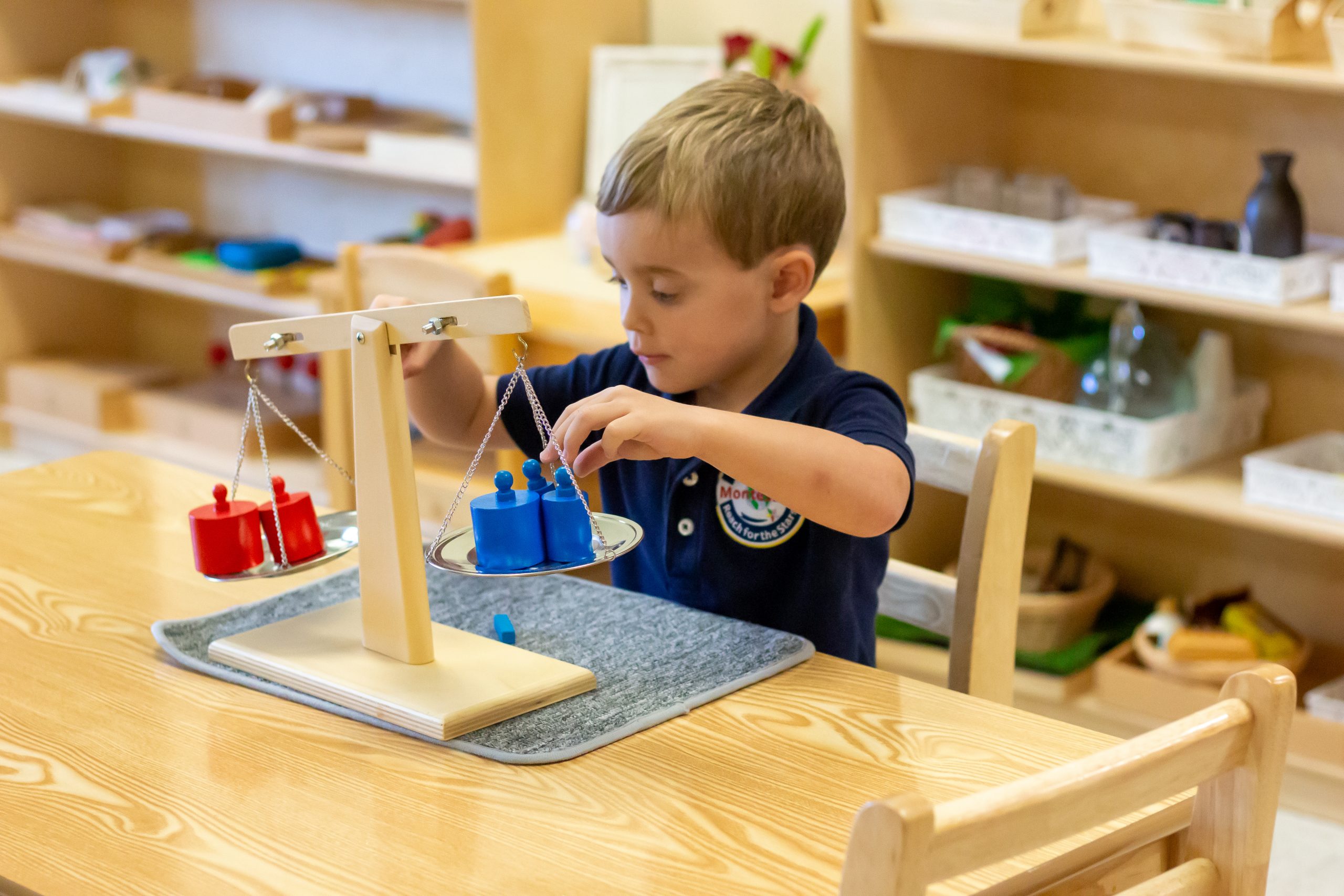
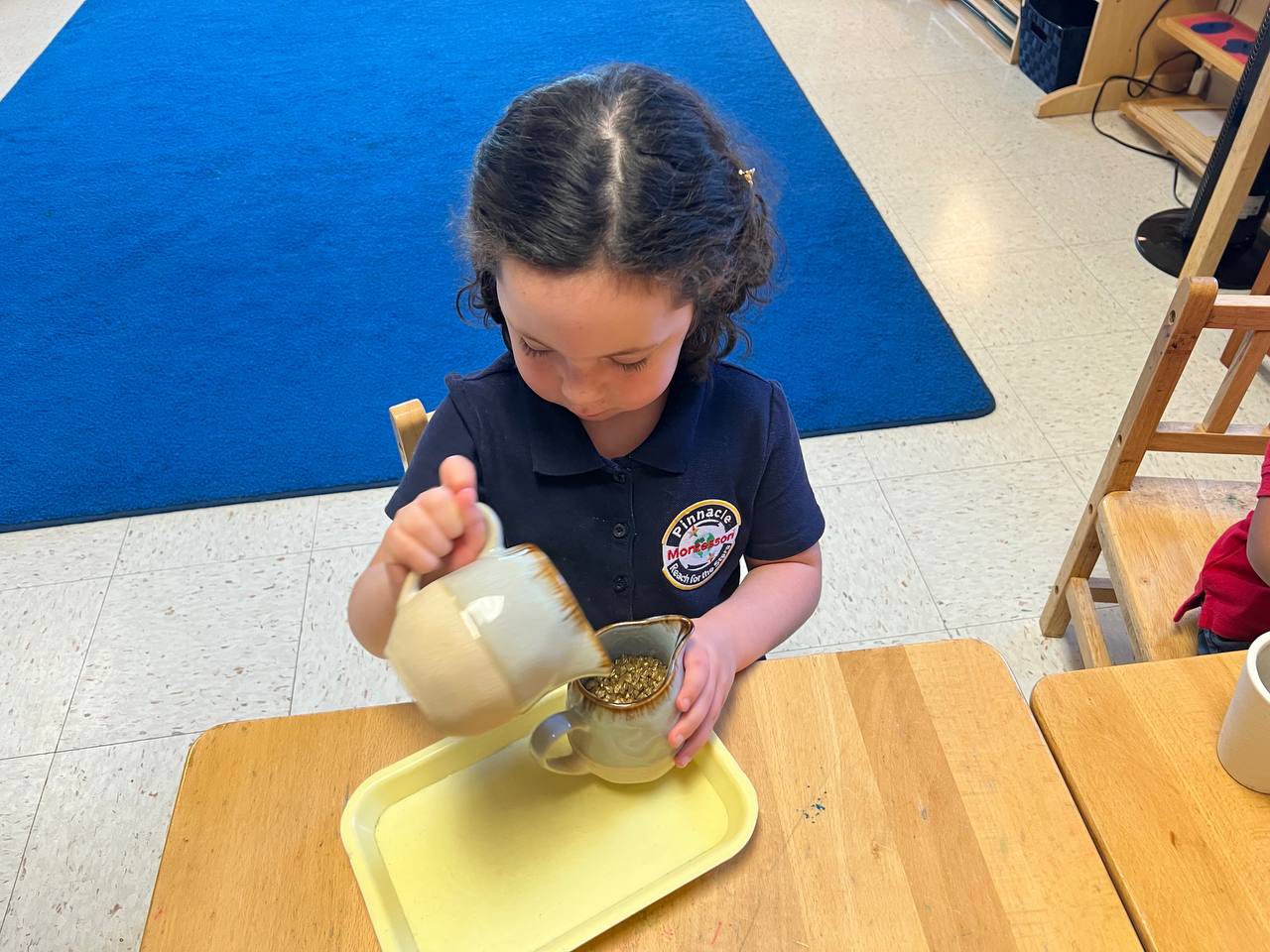
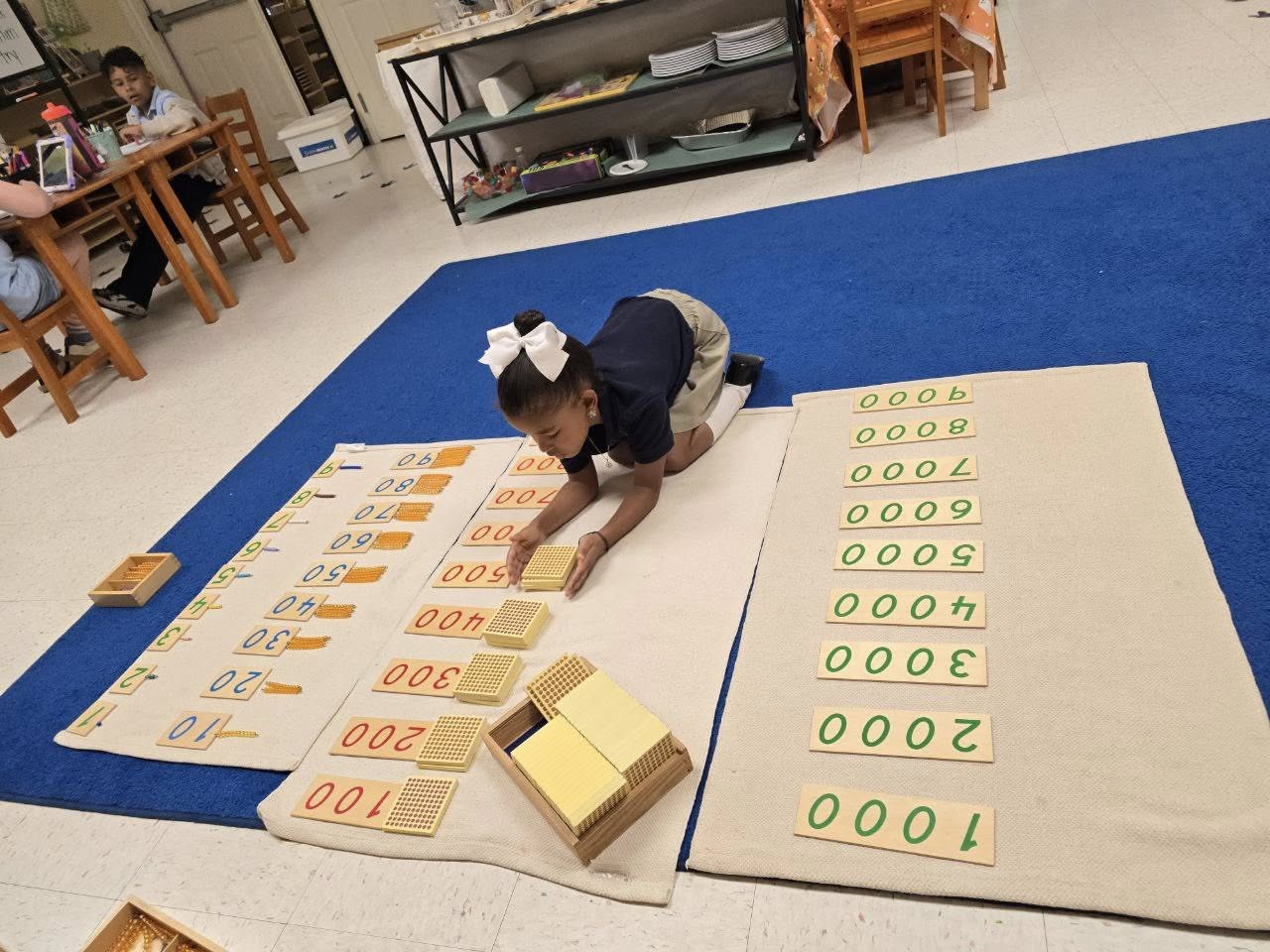
Montessori classrooms are designed to encourage independence through meaningful daily tasks. Children learn practical life skills such as organizing materials, caring for their environment, preparing snacks, and completing responsibilities independently.
These experiences may seem simple, but they play a significant role in building self-confidence. When children successfully complete tasks on their own, they develop a sense of accomplishment and begin to view themselves as capable and competent individuals.
Encouraging Curiosity and Exploration
Self-discovery begins with curiosity. Montessori education nurtures this natural desire to explore by providing children with opportunities to investigate topics that genuinely interest them.
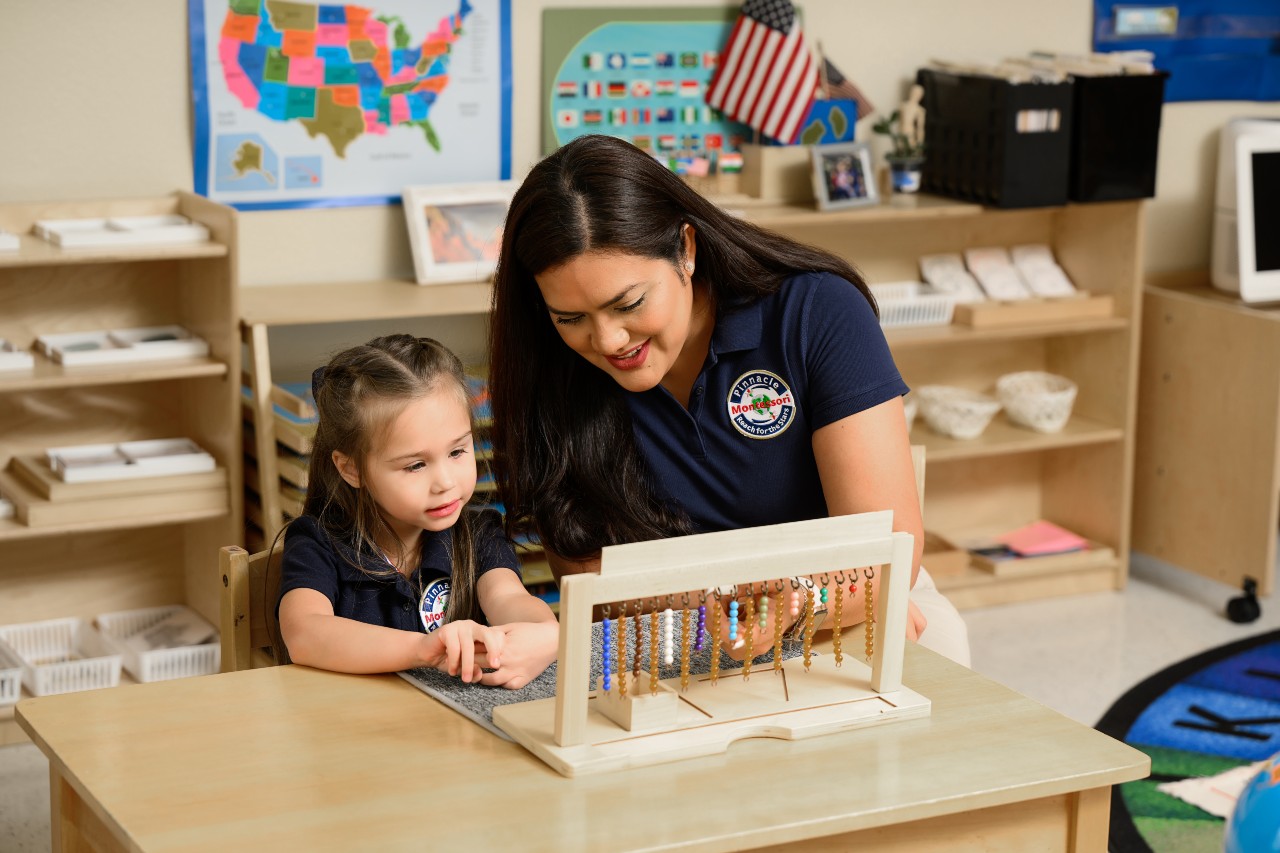
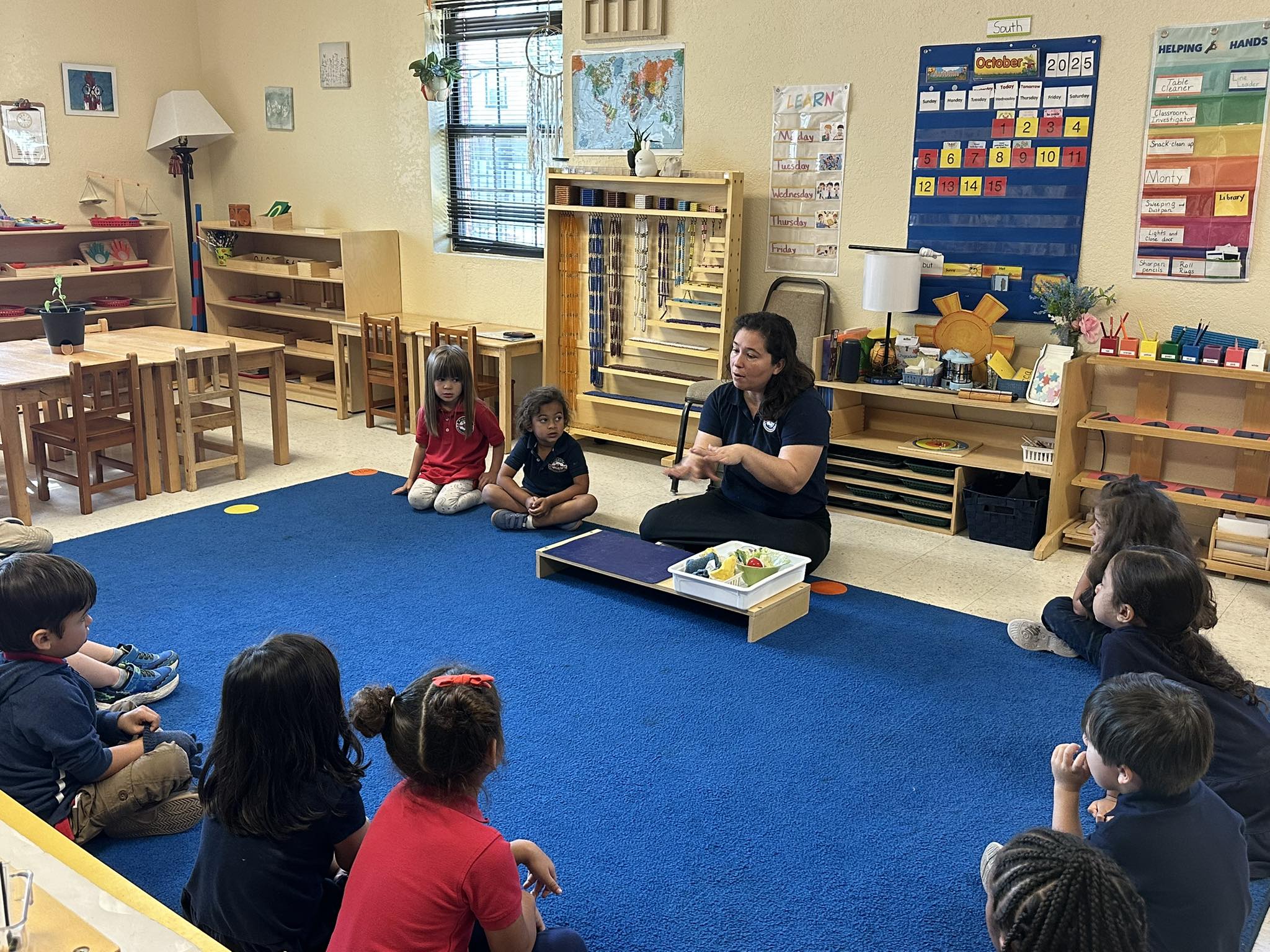
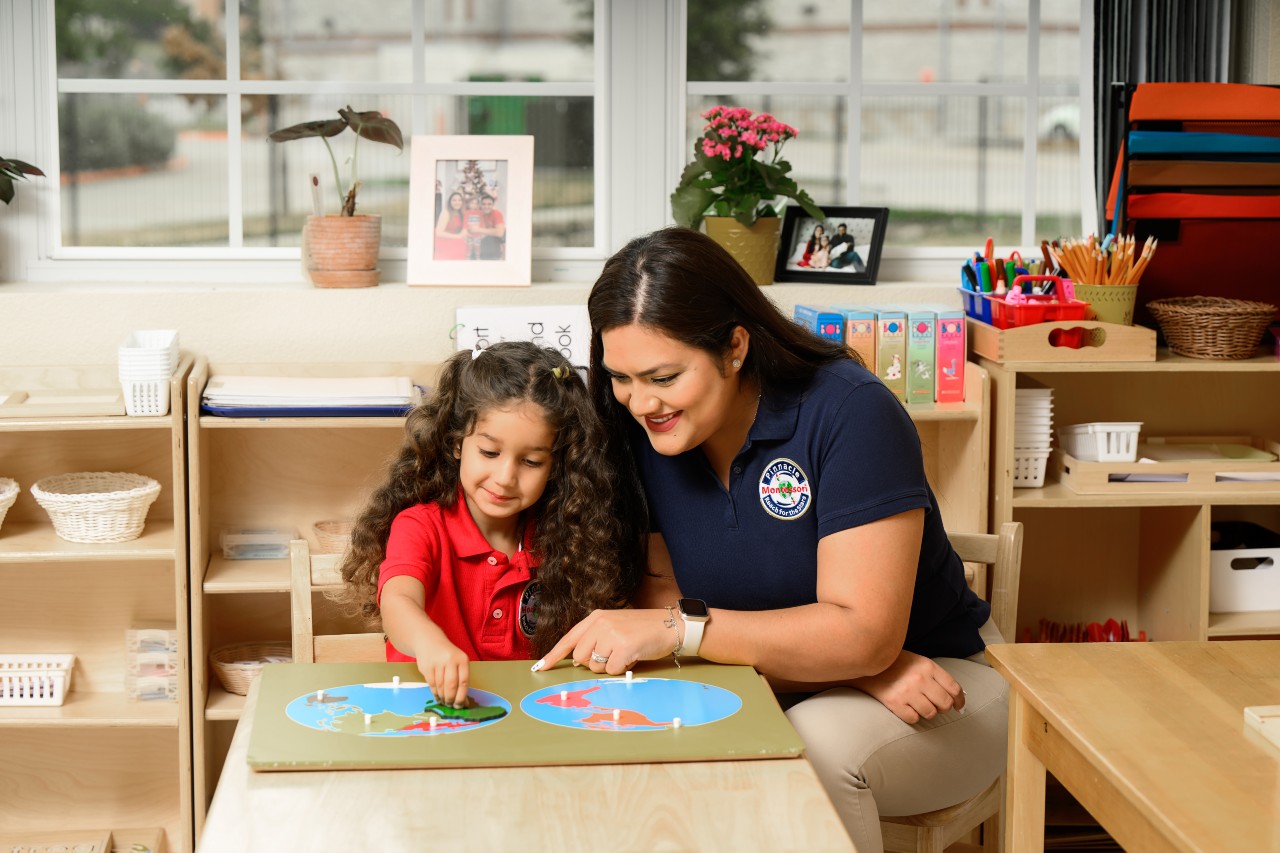
Instead of relying solely on direct instruction, Montessori teachers guide students toward discovery through carefully prepared learning materials and experiences. Children are encouraged to ask questions, experiment, observe, and develop solutions independently.
This process helps children become confident learners who enjoy exploring new ideas and seeking answers on their own.
Creating an Environment That Supports Independence
The Montessori classroom itself is intentionally designed to encourage self-reliance. Materials are organized and accessible, allowing children to work independently without constantly relying on adult assistance.
Everything within the environment is thoughtfully arranged to support success. Children learn how to manage their workspace, care for materials, and complete activities independently, reinforcing both responsibility and confidence.
As children become more comfortable navigating their environment, they develop valuable organizational and problem-solving skills that extend beyond the classroom.
Developing a Strong Sense of Self
One of the most important outcomes of Montessori education is helping children discover who they are as individuals.
By encouraging independent thinking, personal responsibility, and self-directed learning, Montessori classrooms create opportunities for children to recognize their strengths, interests, and abilities. They learn to trust themselves, persevere through challenges, and develop confidence in their unique talents.
This strong sense of self provides a foundation that supports academic success, healthy relationships, and lifelong personal growth.
Fostering Resilience and Problem-Solving Skills
In Montessori education, mistakes are viewed as natural and valuable parts of the learning process. Children are encouraged to analyze challenges, identify solutions, and try again rather than relying on adults to immediately provide answers.
This approach helps children develop resilience, perseverance, and critical thinking skills. They learn that setbacks are opportunities for growth and that success often comes through effort and determination.
These lessons prepare children to approach future challenges with confidence and a positive mindset.
Preparing Children for Lifelong Success
Independence and self-discovery are skills that benefit children far beyond their school years. Children who learn to think independently, solve problems, manage responsibilities, and trust their abilities are better prepared to navigate future academic, social, and professional experiences.
Montessori education helps cultivate these essential life skills while nurturing a lifelong love of learning, curiosity, and personal growth.
Growing Independent Learners at Pinnacle Montessori of Alamo Ranch
At Pinnacle Montessori of Alamo Ranch, we believe every child has the potential to become a confident, capable, and independent learner. Through authentic Montessori practices, carefully prepared classrooms, and dedicated educators, we create an environment where children are encouraged to explore their interests, develop responsibility, and discover their unique strengths.
Our Montessori programs support the development of the whole child—academically, socially, emotionally, and personally—helping students build the confidence and skills they need to thrive.