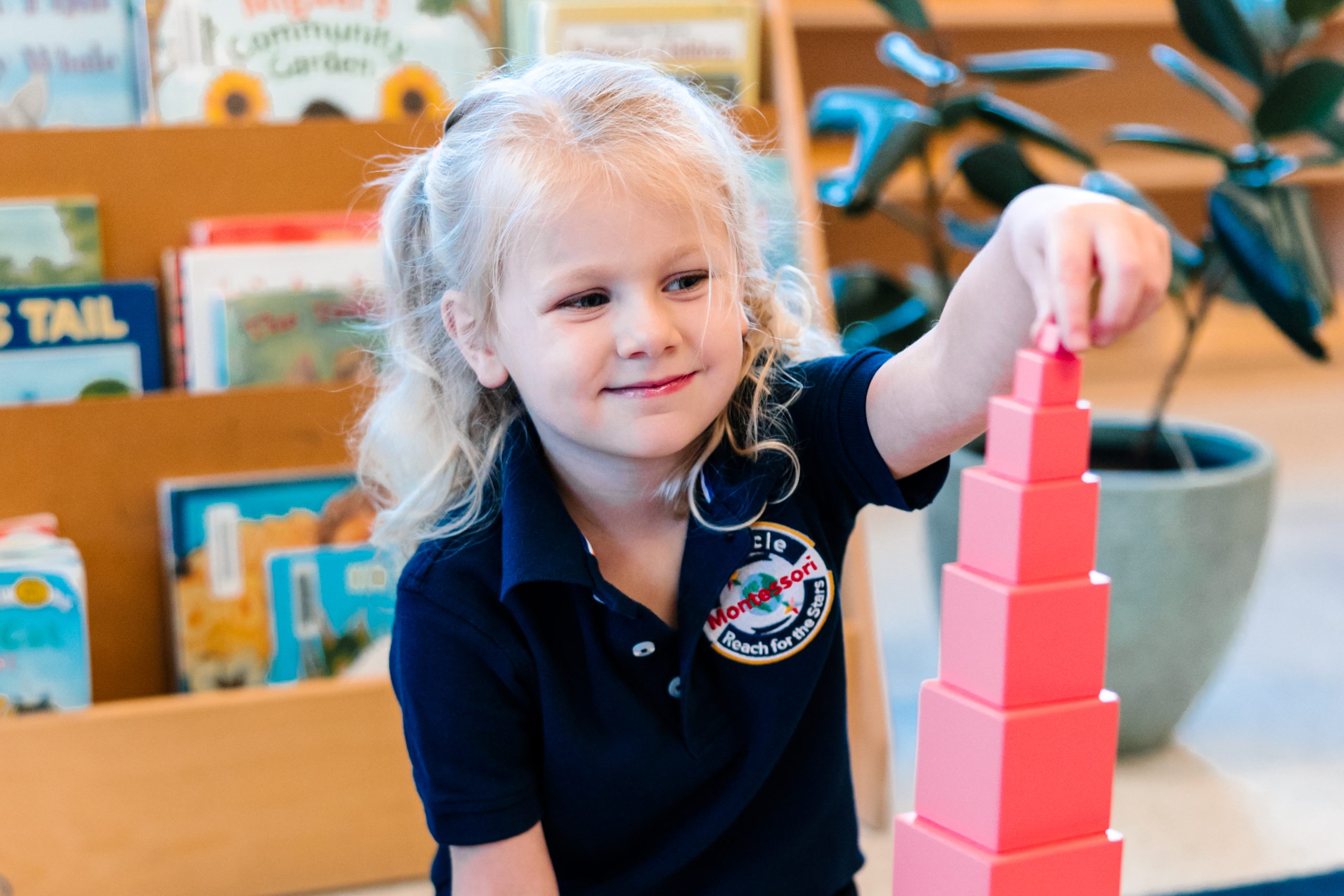
One of the hallmarks of Montessori education is the use of thoughtfully designed learning materials that encourage exploration, independence, and hands-on discovery. Unlike traditional toys that often provide passive entertainment, Montessori-inspired materials are intentionally created to help children develop essential skills while nurturing their natural curiosity.
Whether at home or in the classroom, these learning tools provide meaningful opportunities for children to engage with their environment, solve problems, and build confidence through active participation.
Here are ten Montessori-inspired materials that support a child’s academic, social, emotional, and physical development.
Sensory Materials That Encourage Exploration
Young children learn about the world through their senses. Montessori sensory materials are designed to help children refine their ability to observe, compare, and distinguish different characteristics such as texture, sound, color, shape, and size.
Activities involving sensory bins, texture matching, sound cylinders, and tactile boards encourage children to engage their senses while developing concentration and fine motor coordination. These experiences lay an important foundation for future learning.
Practical Life Materials That Build Independence
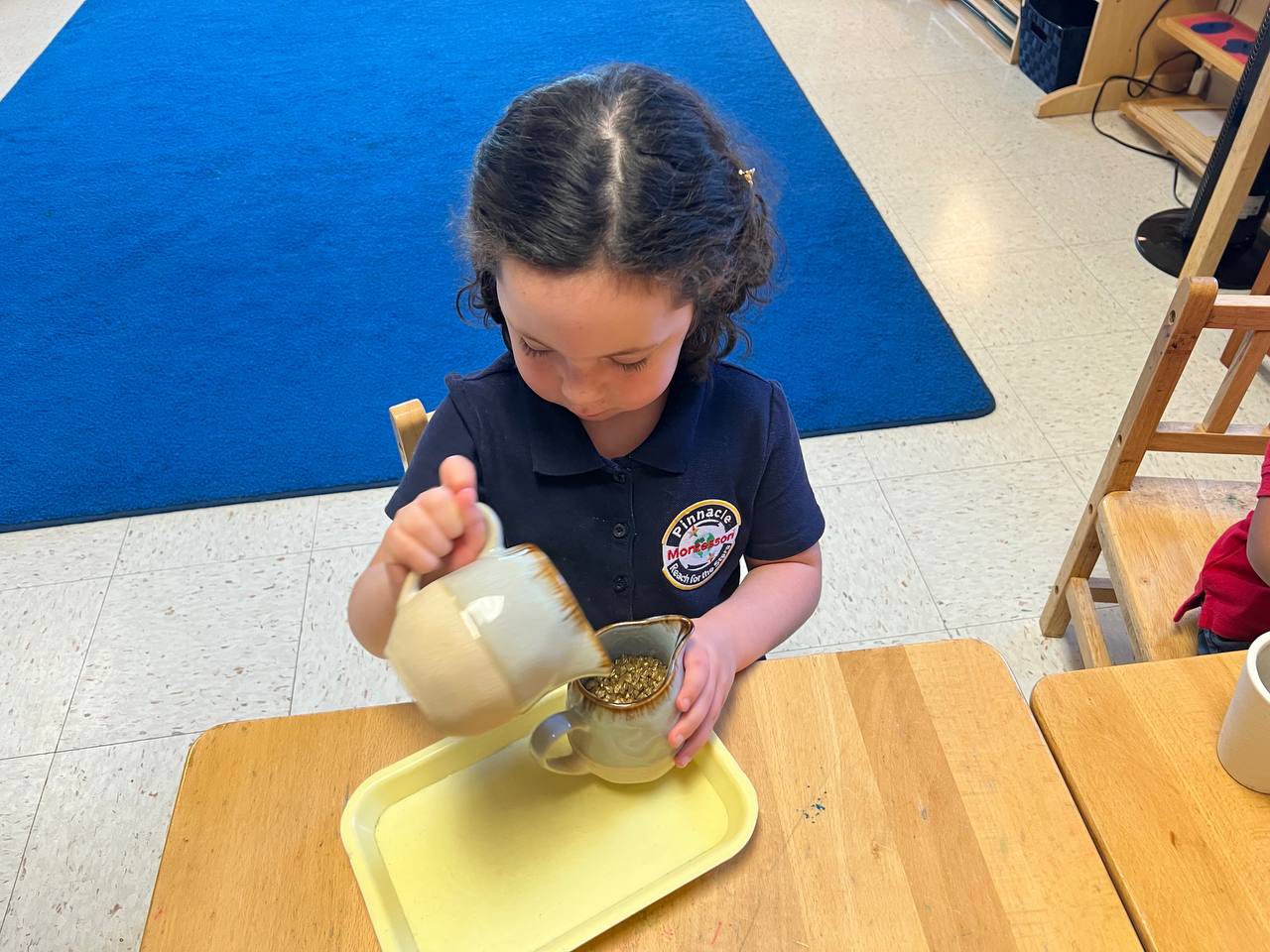
Practical life activities are a cornerstone of Montessori education. Materials designed for everyday tasks help children develop independence, responsibility, and confidence.
Child-sized tools for food preparation, cleaning, gardening, and self-care allow children to participate meaningfully in daily routines. As they master these practical skills, children gain a sense of accomplishment and become more capable of caring for themselves and their environment.
Montessori Math Materials That Make Learning Concrete
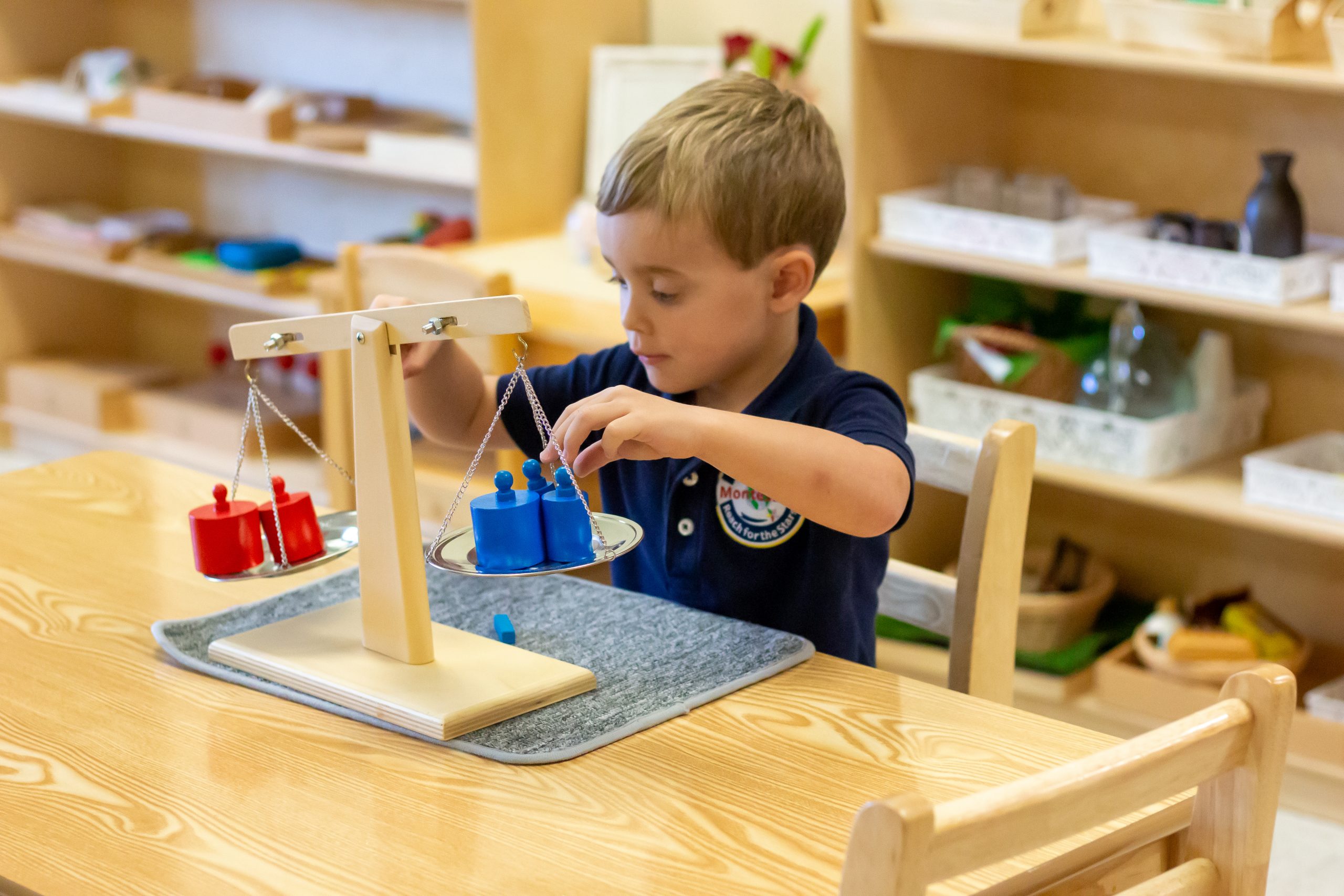
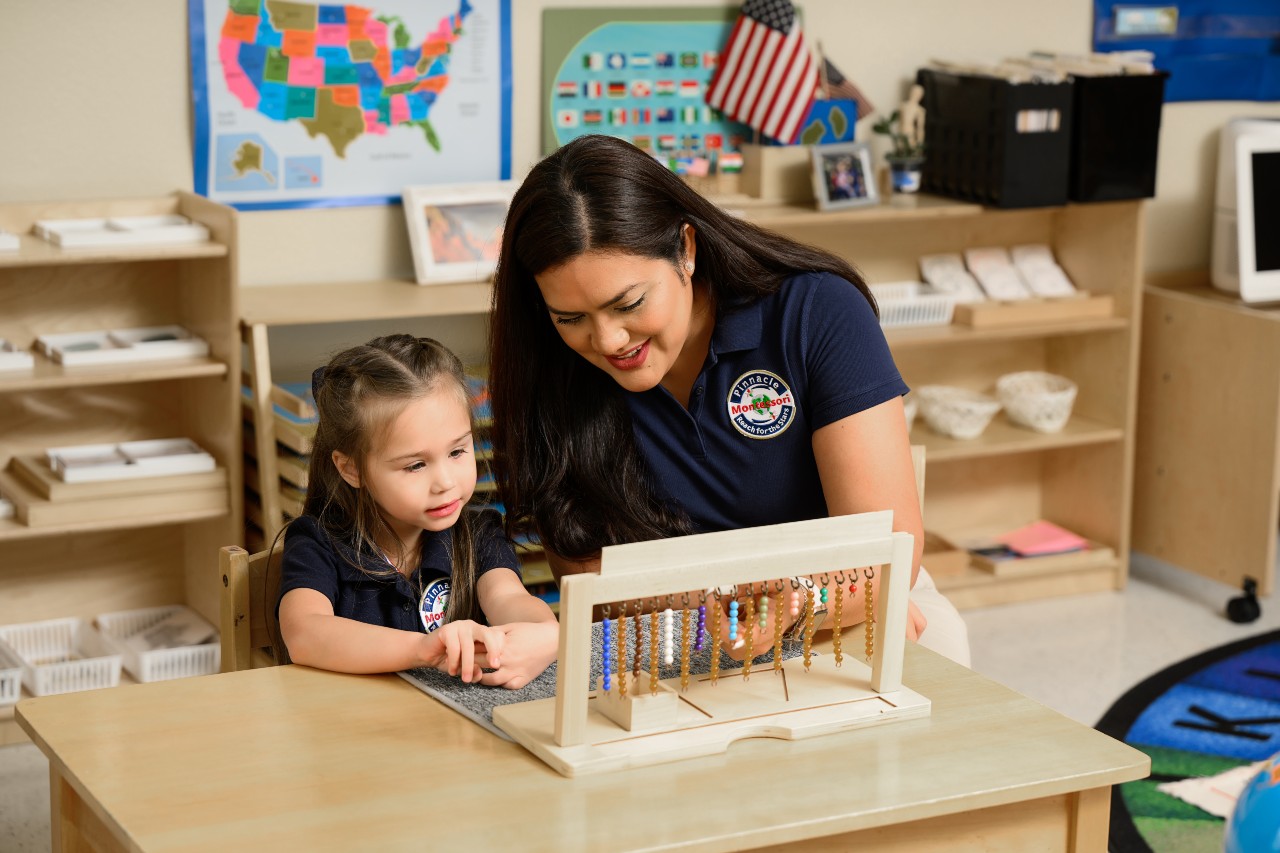
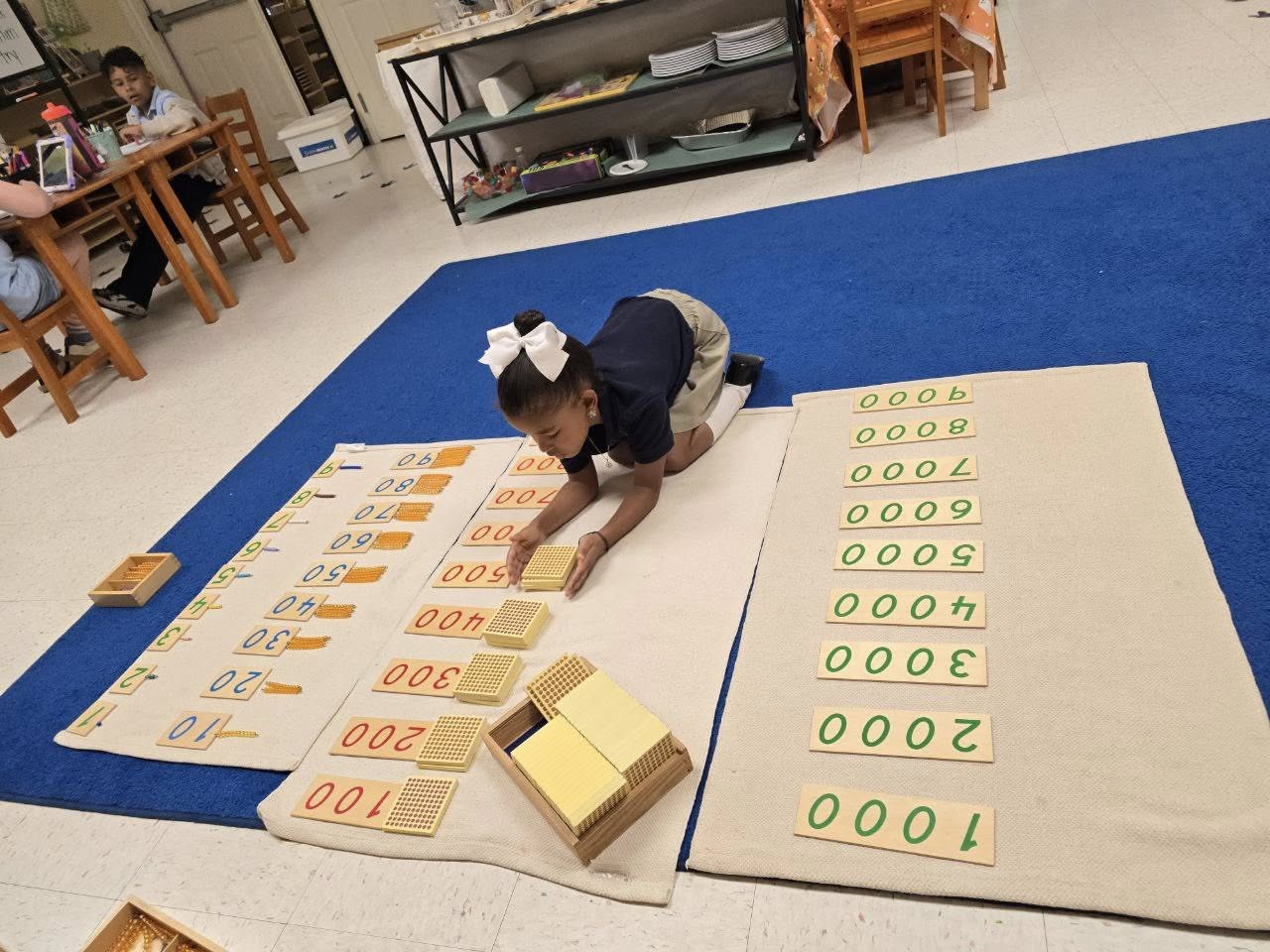
Mathematics becomes more meaningful when children can physically interact with concepts. Montessori math materials help transform abstract ideas into tangible learning experiences.
Materials such as number rods, bead chains, counting objects, and place-value manipulatives allow children to explore mathematical relationships through observation and discovery. This hands-on approach helps build a strong understanding of numbers, patterns, and problem-solving skills.
Language Materials That Support Literacy Development
Montessori language materials introduce reading and writing in a way that is engaging and developmentally appropriate.
Children often begin by exploring letter sounds through tactile materials before progressing to word building, reading activities, and written expression. By allowing children to experience language through multiple senses, these materials help foster strong communication skills and a lifelong appreciation for literacy.
Science Materials That Inspire Curiosity
Children are natural scientists, constantly observing, questioning, and exploring the world around them. Montessori-inspired science materials encourage investigation and discovery through meaningful experiences.
Simple experiments, observation tools, nature journals, and classification activities help children develop critical thinking skills while nurturing curiosity about the natural world.
These experiences encourage children to become active learners who enjoy asking questions and seeking answers.
Cultural and Geography Materials That Expand Understanding
Montessori education encourages children to develop an appreciation for the diversity of our world.
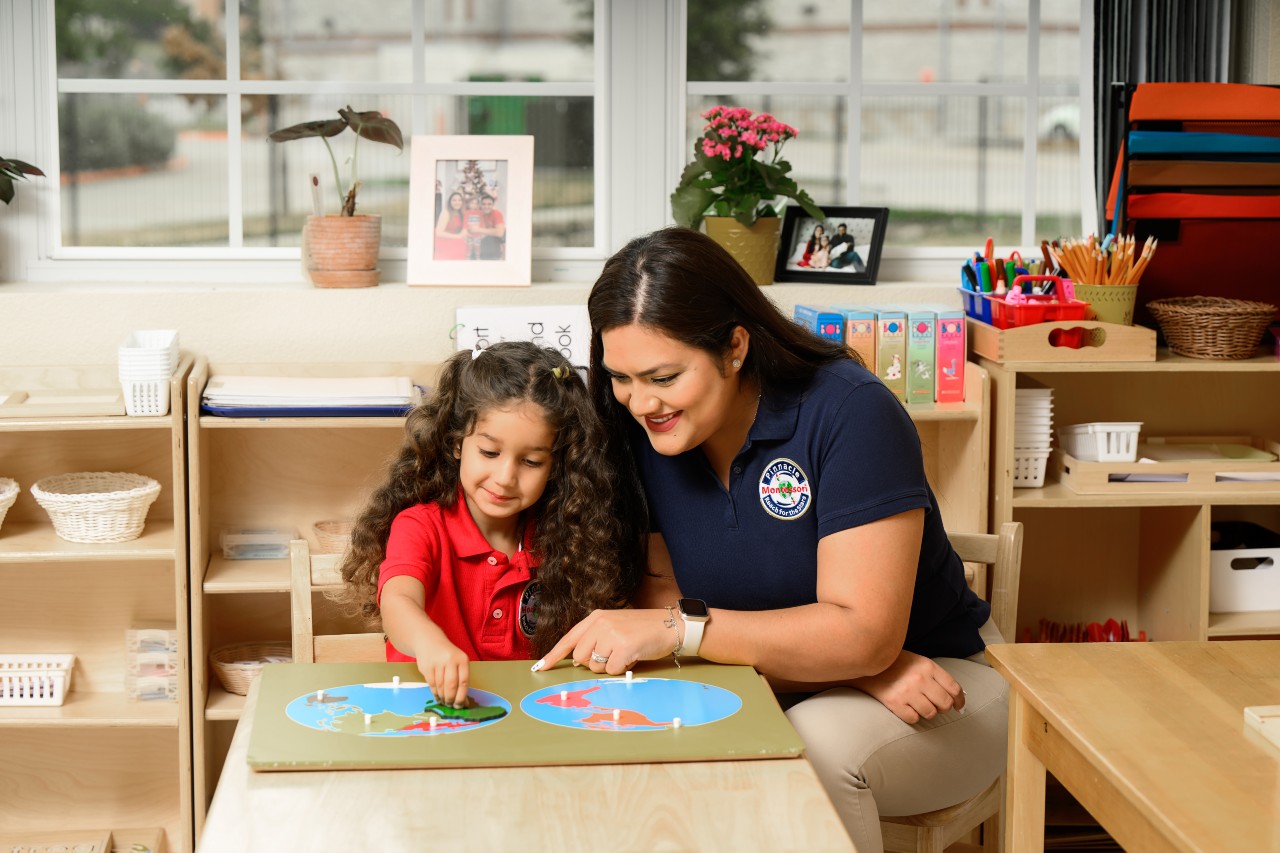
Maps, globes, cultural artifacts, and geography puzzles help children learn about different countries, traditions, languages, and ways of life. These materials foster global awareness while encouraging respect, empathy, and curiosity about other cultures.
Art Materials That Encourage Creative Expression
Creativity plays an important role in childhood development. Open-ended art materials allow children to explore ideas, express emotions, and develop confidence in their unique abilities.
Quality supplies such as paints, clay, drawing materials, and collage resources encourage children to create without fear of making mistakes. Artistic experiences also support fine motor development, concentration, and self-expression.
Music Materials That Support Learning and Movement
Music provides children with opportunities to develop rhythm, listening skills, coordination, and creativity.
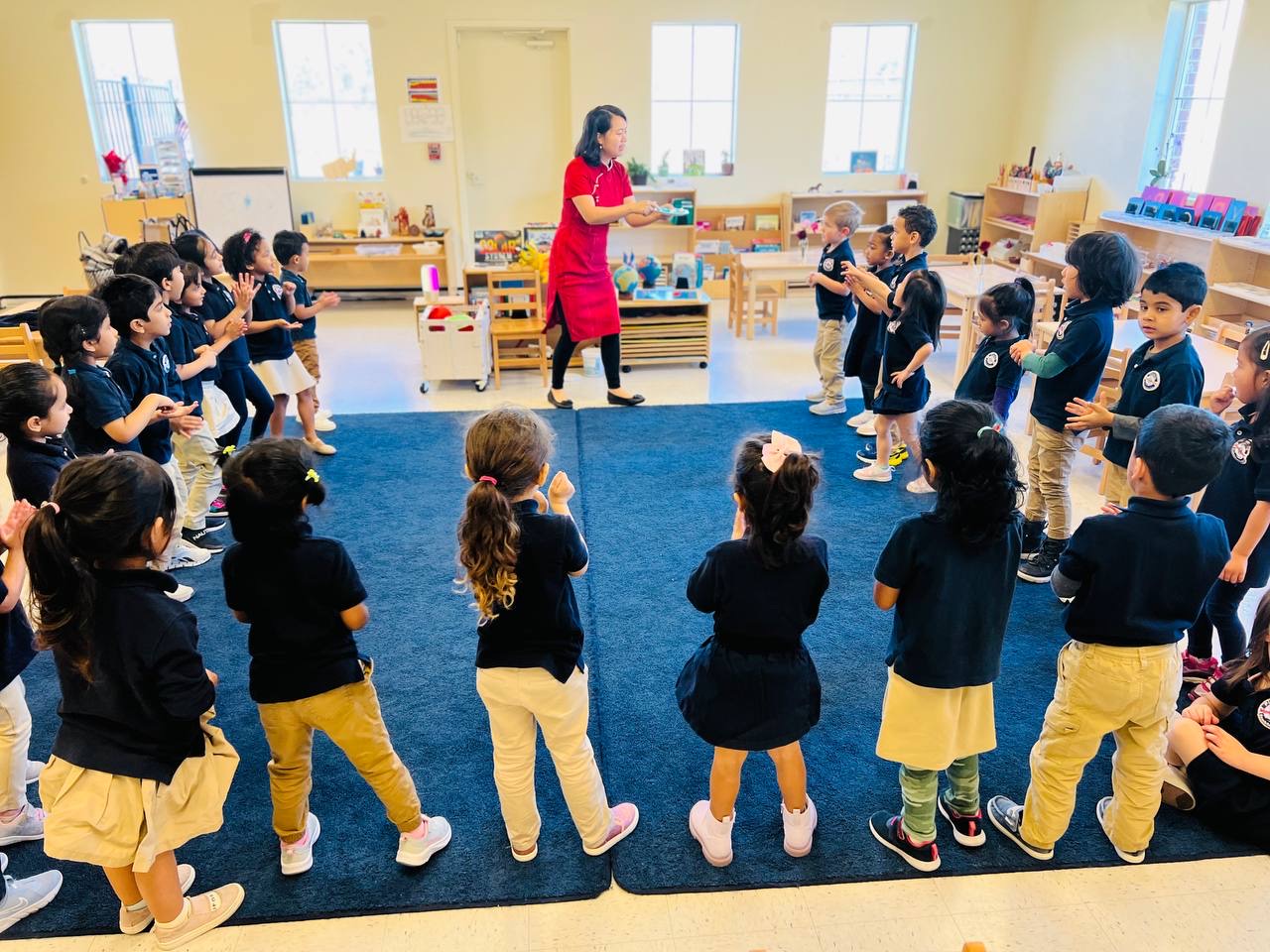
Simple musical instruments and movement activities encourage children to explore sounds, patterns, and self-expression through music. These experiences support cognitive development while helping children build confidence and joy through creative exploration.
Storytelling Materials That Strengthen Communication Skills
Storytelling helps children develop imagination, language, and social-emotional understanding.
Puppets, story baskets, sequencing cards, and dramatic play materials encourage children to create narratives, express ideas, and communicate with others. Through storytelling, children strengthen vocabulary, listening skills, and confidence in verbal expression.
Nature Exploration Materials That Connect Children With the World Around Them
Montessori education places great value on connecting children with nature. Outdoor exploration materials help children observe, investigate, and appreciate their environment.
Magnifying glasses, gardening tools, nature collection kits, bird guides, and observation journals encourage children to engage with the natural world while developing curiosity and environmental awareness.
These experiences often inspire a lifelong appreciation for nature and stewardship of the environment.
Why Montessori Materials Are So Effective
What makes Montessori materials unique is their purpose. Each material is carefully designed to isolate specific concepts, encourage independent learning, and allow children to discover answers through experience rather than direct instruction.
By actively engaging with these materials, children develop concentration, confidence, problem-solving abilities, and a genuine love of learning. The result is a learning experience that supports the development of the whole child while fostering independence and self-motivation.