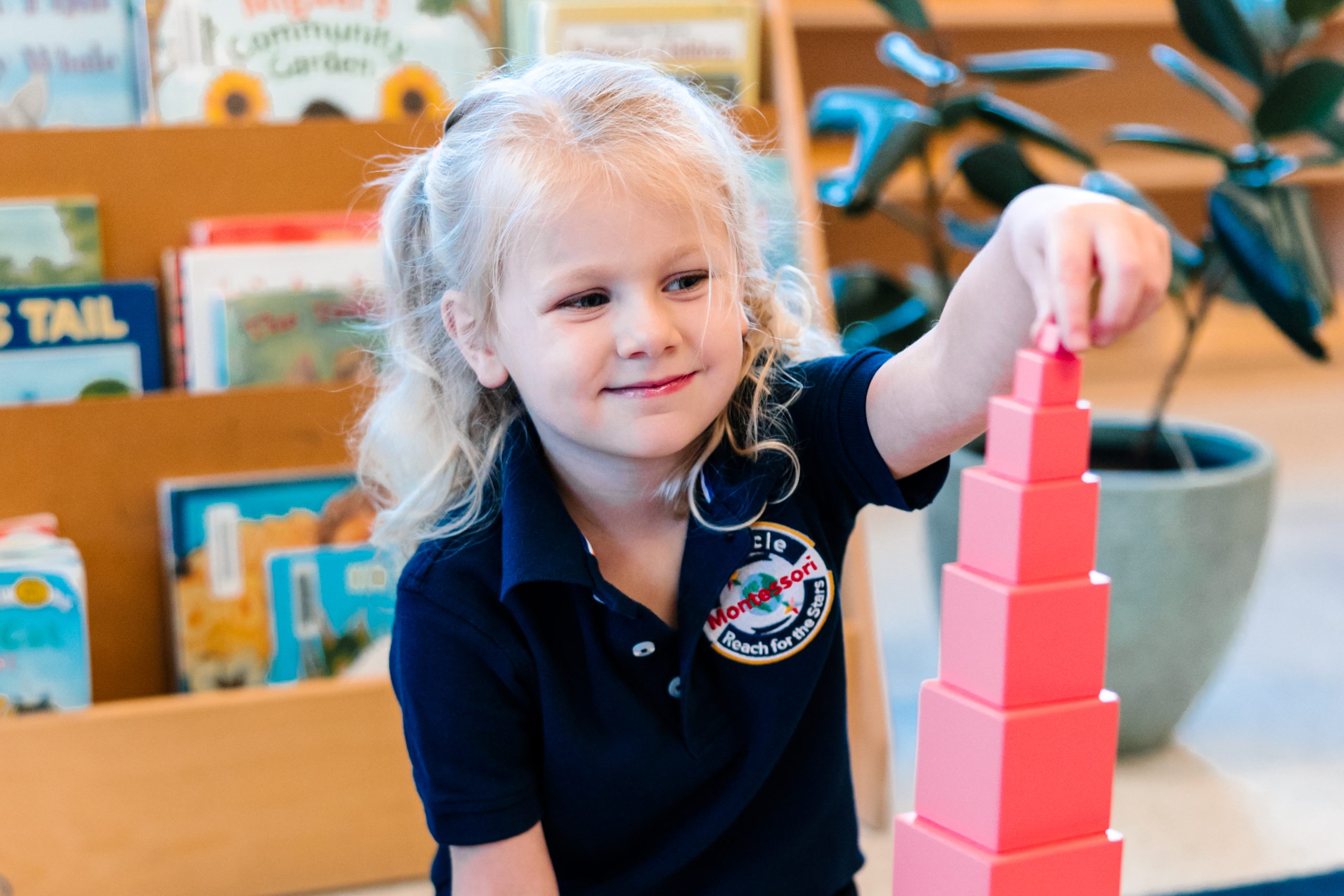
Early literacy is one of the most important foundations for a child’s future academic success. The ability to communicate, understand language, recognize sounds, and develop reading and writing skills influences nearly every aspect of learning throughout life. In Montessori education, literacy is not treated as a separate subject but as a natural part of a child’s daily exploration and development.
Through carefully prepared environments, hands-on learning experiences, and individualized instruction, Montessori classrooms help children build strong literacy skills while fostering a lifelong love of language and learning.
Creating a Language-Rich Learning Environment
One of the first steps in developing literacy is surrounding children with meaningful language experiences. Montessori classrooms are intentionally designed to be rich in spoken and written language.
Children encounter labels, books, storytelling opportunities, and conversations throughout the day. This exposure helps them naturally connect spoken language with written symbols and begin understanding how communication works.
A language-rich environment encourages curiosity about words, letters, and reading while building vocabulary and comprehension skills.
Building Strong Foundations Through Phonemic Awareness
Before children become successful readers, they must learn to recognize and understand the sounds within words. Montessori educators place significant emphasis on phonemic awareness because it serves as the foundation for reading development.
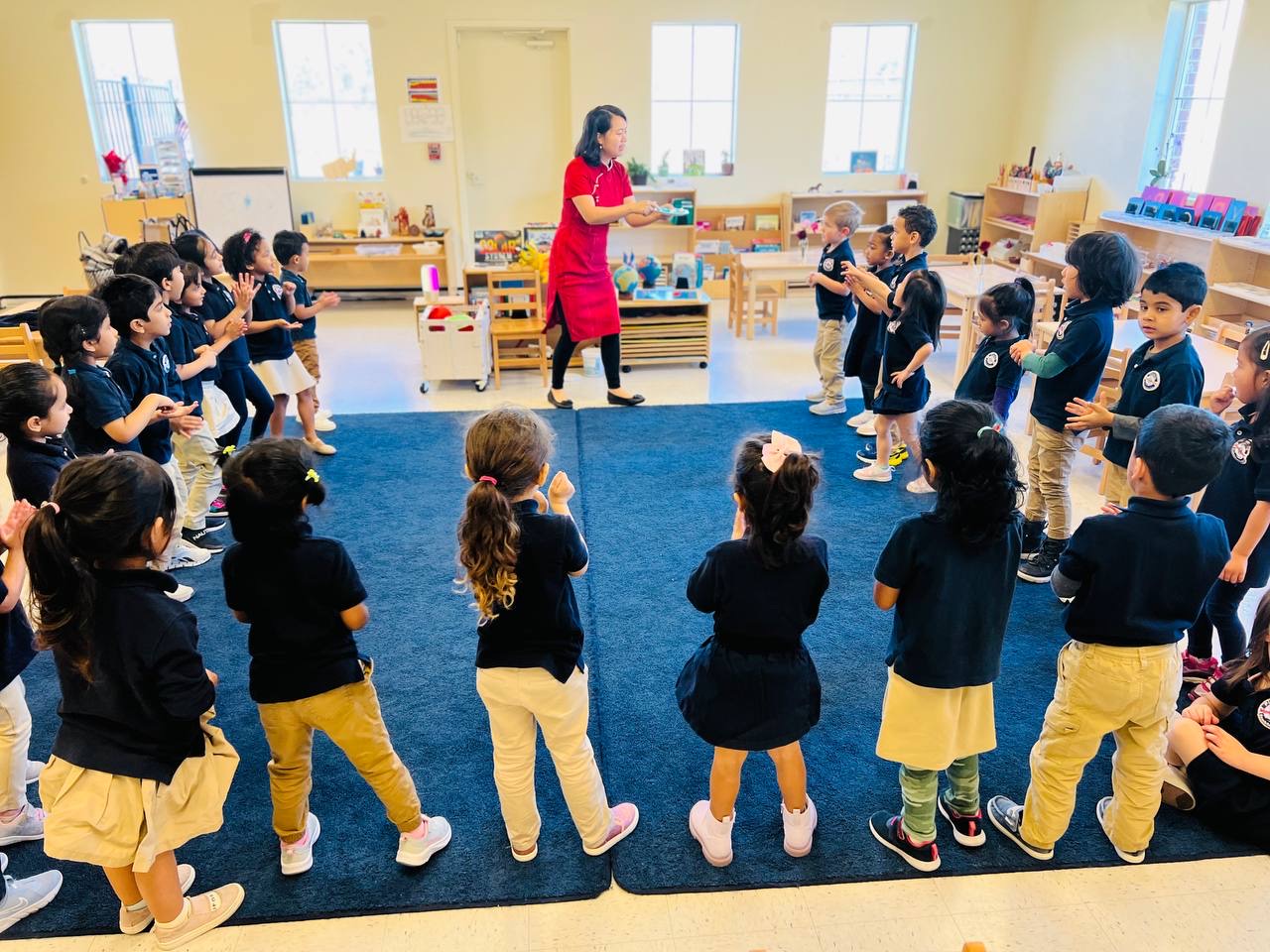
Through engaging activities involving rhymes, sound games, word patterns, and listening exercises, children learn to identify individual sounds and develop the ability to manipulate them. These experiences help prepare young learners for reading and spelling success.
Learning Through Hands-On Literacy Materials
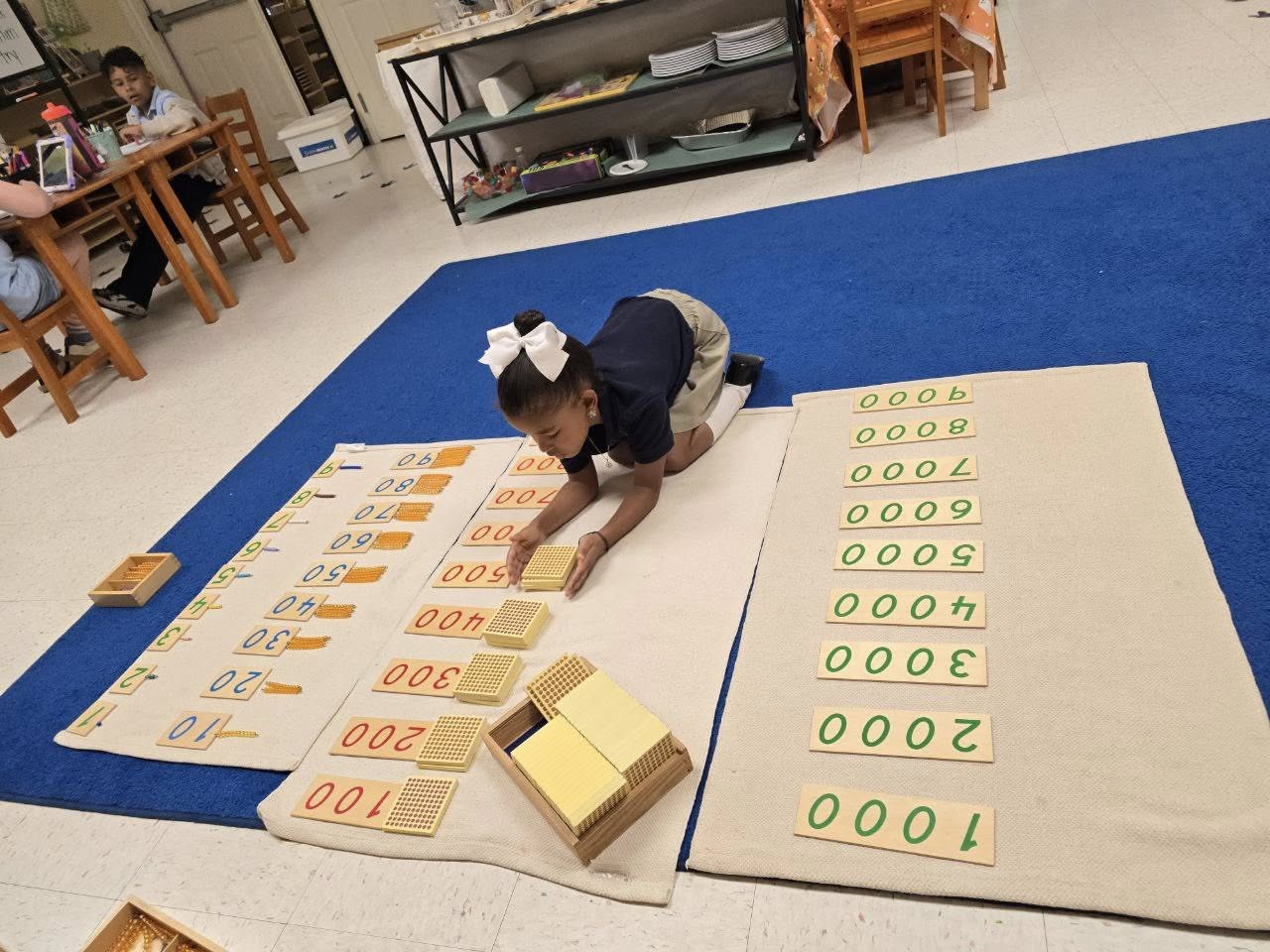
Montessori education is known for its use of concrete, multisensory learning materials that help children explore concepts through active participation.
Language materials such as sandpaper letters, movable alphabets, and phonetic reading tools allow children to see, touch, hear, and interact with language in meaningful ways. This multi-sensory approach helps reinforce learning while making literacy development enjoyable and accessible.
By physically engaging with letters and sounds, children develop stronger connections that support long-term reading and writing skills.
Encouraging a Love of Storytelling
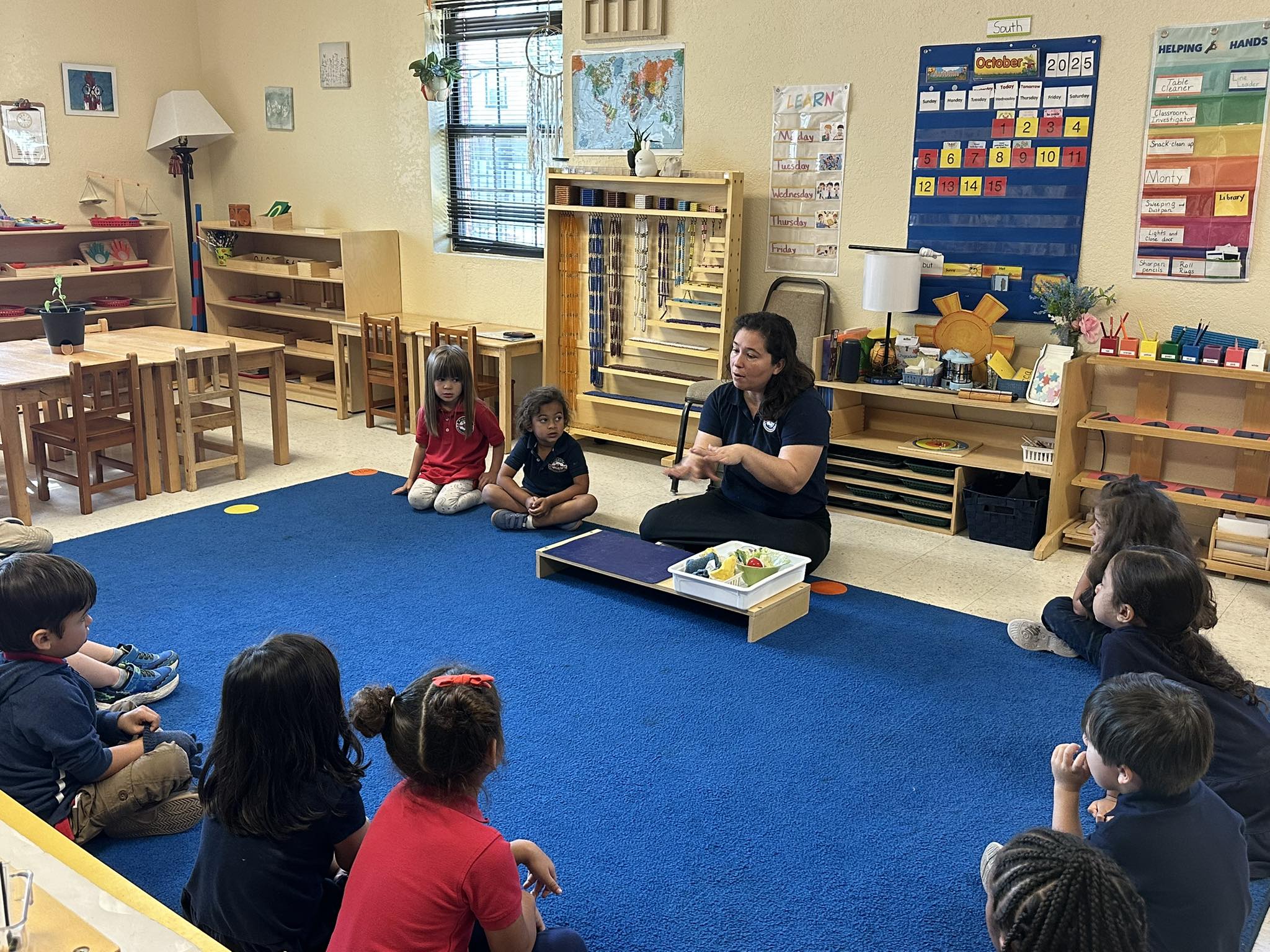
Storytelling plays a powerful role in language development. Montessori classrooms encourage children to listen to stories, create their own narratives, and express their ideas through language.
Whether sharing personal experiences, participating in group discussions, or creating imaginative stories, children develop communication skills, creativity, and confidence in their ability to express themselves.
These experiences help strengthen vocabulary, listening comprehension, sequencing abilities, and oral language development.
Supporting Early Writing Skills Naturally
In Montessori education, writing often develops before formal reading. Children begin by strengthening the fine motor skills needed for writing through practical life activities and purposeful hand movements.
As children become comfortable forming letters and understanding sounds, they naturally begin expressing their thoughts through written language. This process allows writing to emerge organically rather than through pressure or memorization.
The result is often a greater sense of confidence and enthusiasm toward written communication.
Integrating Literacy Across the Curriculum
One of the unique strengths of Montessori education is its interdisciplinary approach to learning. Literacy is woven into every area of the classroom rather than being limited to a specific reading period.
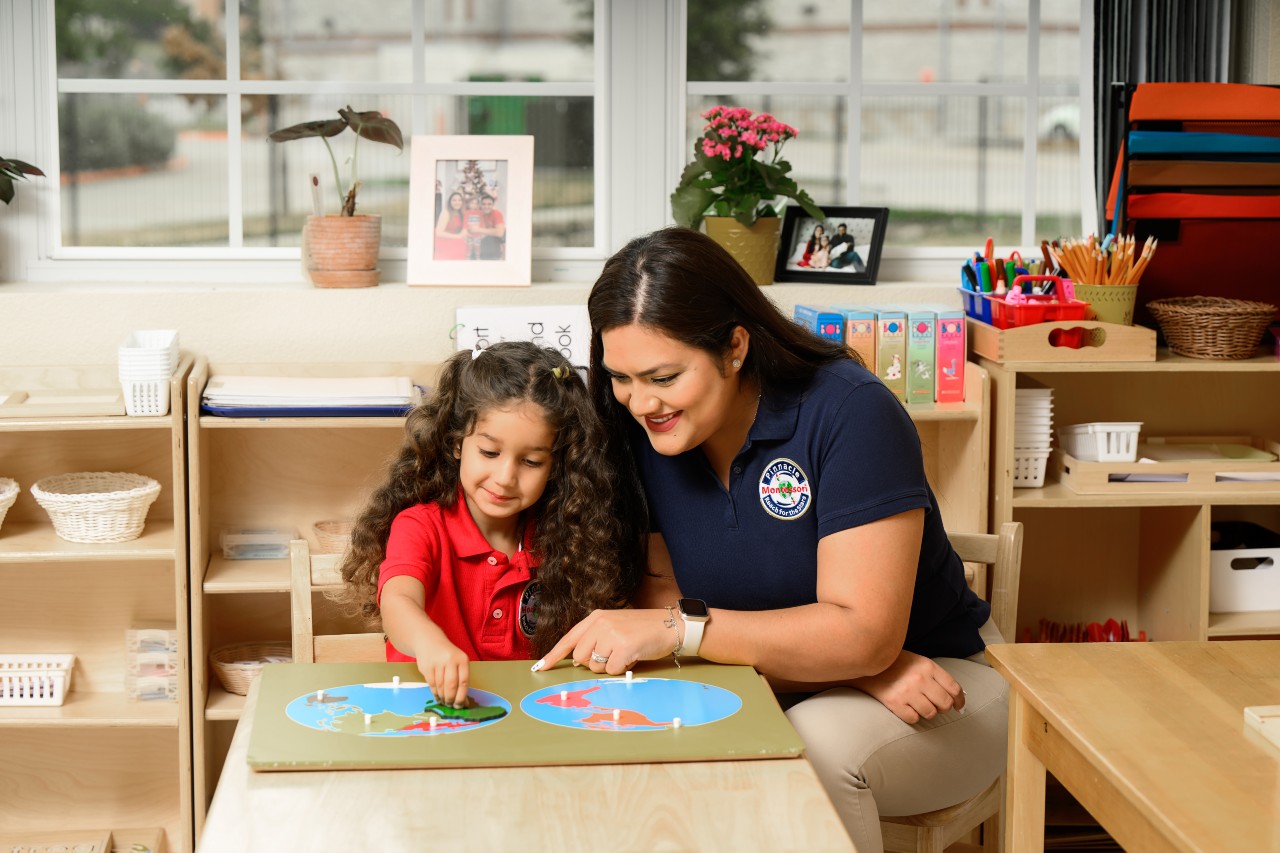
Children use language while exploring mathematics, science, geography, cultural studies, practical life activities, and creative projects. This integration helps children understand that reading and writing are valuable tools for learning about the world around them.
As literacy becomes connected to meaningful experiences, children develop deeper engagement and stronger comprehension skills.
Encouraging Independence in Learning
Montessori classrooms are designed to encourage children to take ownership of their educational journey. Students are given opportunities to choose activities, work at their own pace, and revisit concepts as needed.
This independence helps children build confidence in their abilities and develop a positive relationship with learning. As they experience success through their own efforts, they become more motivated to explore language and literacy independently.
Fostering a Lifelong Love of Reading
The ultimate goal of Montessori literacy education is not simply teaching children how to read—it is inspiring them to become lifelong readers and learners.
By creating positive experiences with books, language, storytelling, and communication, Montessori educators help children discover the joy of reading for knowledge, imagination, and personal growth.
When children associate literacy with curiosity and discovery, they are more likely to continue seeking out learning opportunities throughout their lives.
Why Early Literacy Matters
Strong literacy skills support success far beyond the classroom. Reading, writing, listening, and communication abilities influence academic achievement, social development, critical thinking, and future career opportunities.
By investing in literacy development during the early years, families and educators help children build the confidence and skills necessary for lifelong success.
Growing Readers and Writers at Pinnacle Montessori of Alamo Ranch
At Pinnacle Montessori of Alamo Ranch, we believe that every child has the potential to become a confident communicator, reader, and writer. Our Montessori classrooms provide carefully prepared language environments that encourage exploration, creativity, and meaningful literacy experiences.
Through individualized instruction, hands-on materials, and a nurturing atmosphere, we help children develop strong language skills while fostering a genuine love of learning.