
Montessori School Near McKinney
Winter holidays bring excitement, family gatherings, travel, and changes to daily routines. For young children, this season can feel magical, but it can also be overwhelming. Between festive activities and school breaks, maintaining meaningful learning experiences can become a challenge.
This is where Montessori education shines. Rather than relying on rigid lesson plans, Montessori activities can be adapted to match seasonal themes while still supporting a child’s natural development. Winter holidays provide countless opportunities for hands-on learning, practical life experiences, creativity, and cultural exploration.
The key is to create activities that feel engaging and festive while staying true to Montessori principles of independence, exploration, and purposeful learning.
Children learn best when they can connect new concepts to real-life experiences. During the winter holiday season, they are surrounded by decorations, traditions, family events, and changes in the environment. These experiences naturally spark curiosity and invite questions.
By incorporating seasonal themes into Montessori lessons, educators and parents can build on children’s existing interests. Activities become more meaningful because they connect directly to what children are observing and experiencing in their daily lives.
The goal isn’t simply to celebrate a holiday. It’s to use the season as a doorway to deeper learning and exploration.
Practical life activities remain one of the most effective ways to foster independence during the holiday season. Many winter traditions naturally lend themselves to meaningful hands-on work.
Children can practice transferring materials by moving cotton balls with tongs to represent snowballs. They can learn pouring skills using small pitchers filled with water, hot chocolate mix, or holiday-colored beads. Older children may enjoy helping wrap gifts, folding napkins for family gatherings, or arranging seasonal decorations.
These activities strengthen fine motor skills, concentration, and coordination while allowing children to participate in real tasks that contribute to family or classroom life.
Sensorial materials help children explore the world through their senses, making them especially effective during a season filled with unique sights, sounds, and textures.
A winter sensory tray might include pinecones, evergreen branches, smooth stones, cotton, cinnamon sticks, and wooden ornaments. Children can compare textures, identify scents, and sort objects based on characteristics such as size, shape, or color.
Color matching activities can incorporate winter shades such as white, silver, blue, and green. Sound activities may involve identifying the sounds of bells, holiday music, or natural winter elements.
These experiences strengthen observation skills while helping children develop a deeper awareness of their environment.
The holiday season offers rich opportunities for language development. Seasonal vocabulary can be introduced through picture cards, storytelling, matching games, and conversation activities.
Children may enjoy labeling winter objects, matching words to pictures, or creating simple stories about holiday traditions. Reading seasonal books aloud can also expand vocabulary and encourage discussion about family customs, weather changes, and cultural celebrations.
For emerging writers, winter-themed writing prompts can inspire creativity while reinforcing literacy skills. Activities can be adapted to different ages and ability levels, making them accessible for a wide range of learners.
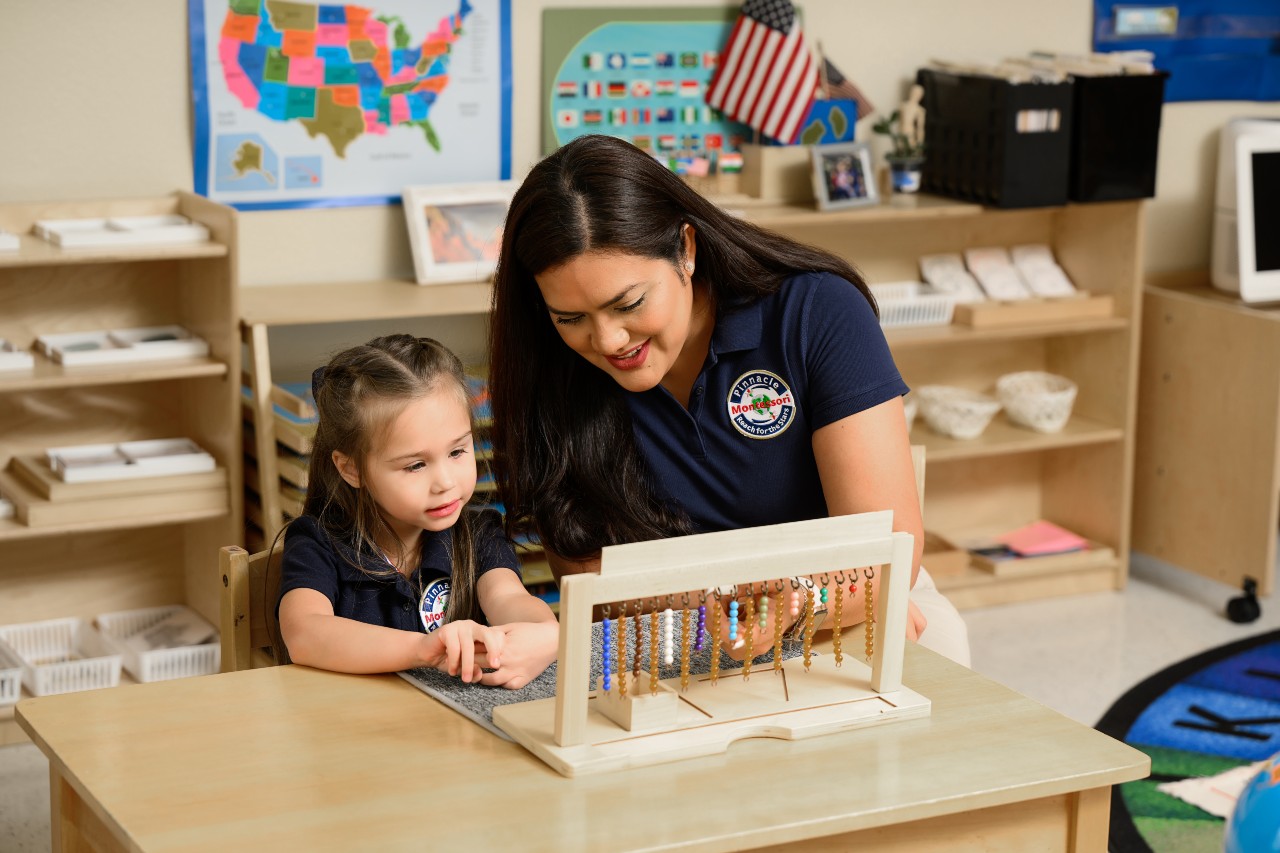
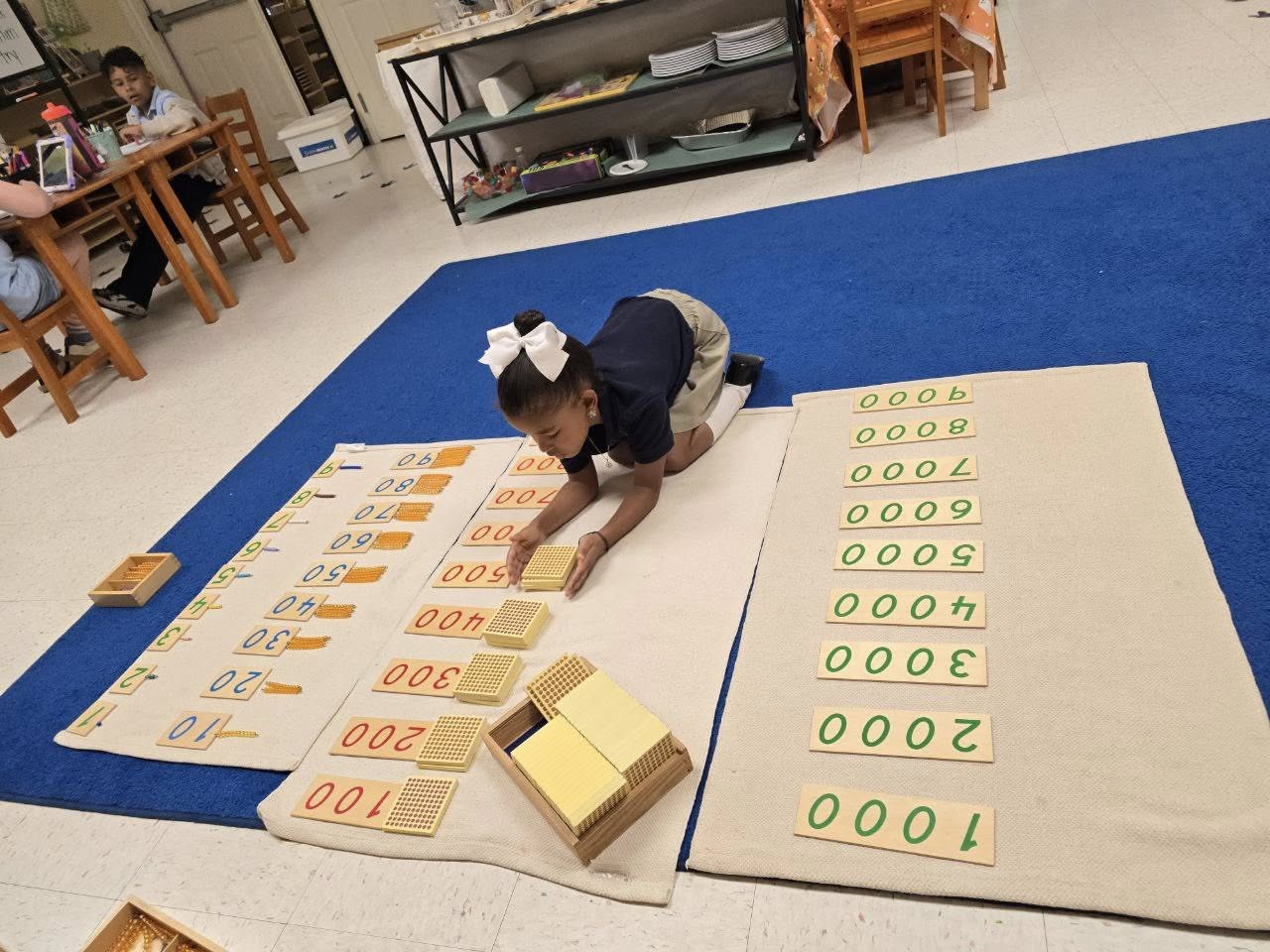
Math lessons can easily incorporate seasonal materials while maintaining Montessori principles.
Children can count ornaments, sort holiday objects by size, create simple patterns using colored beads, or practice number recognition with winter-themed cards. Older students may work on addition and subtraction using seasonal objects such as snowflakes, bells, or decorative counters.
The focus should remain on concrete learning experiences. By physically manipulating objects, children gain a stronger understanding of mathematical concepts than they would through worksheets alone.
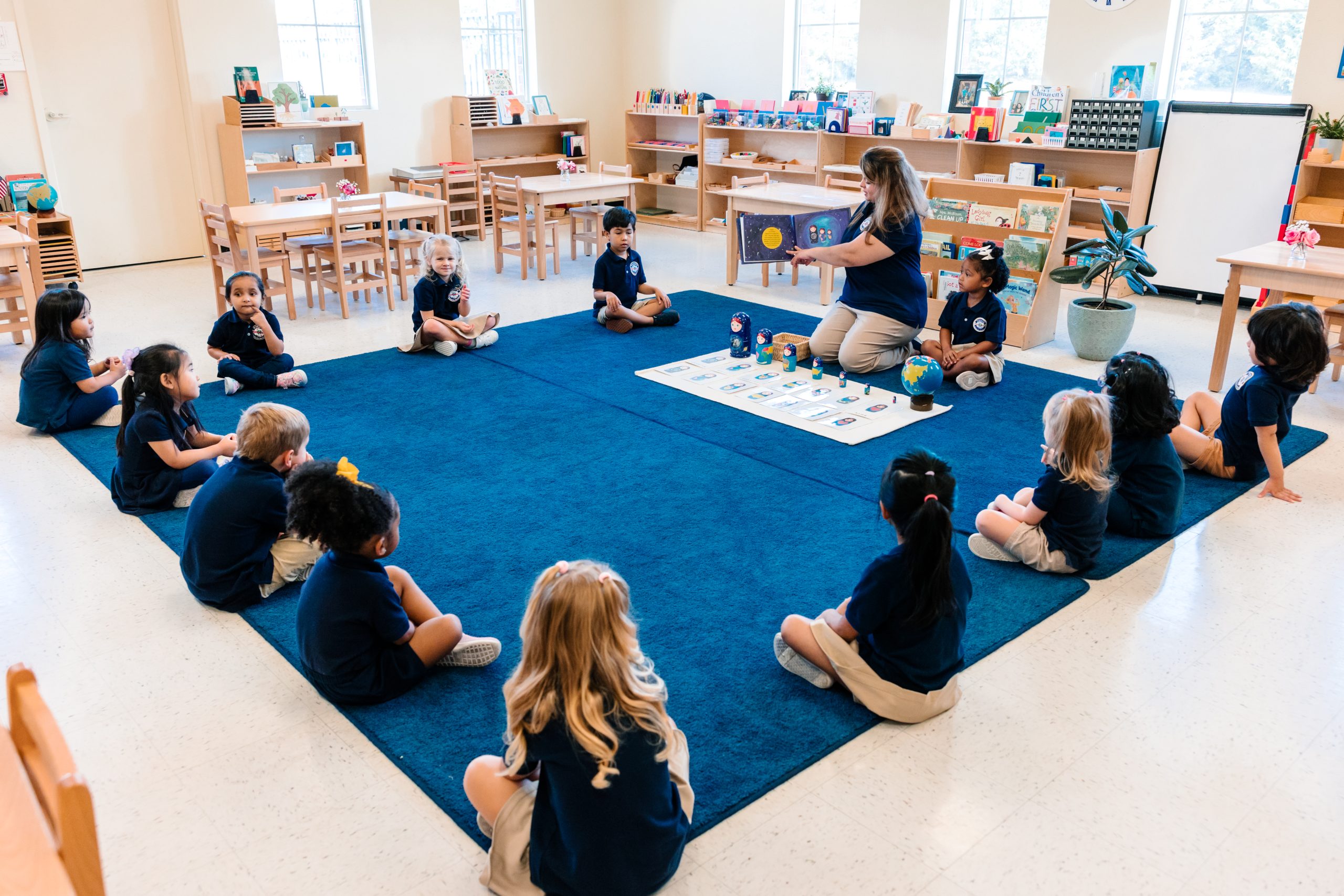
One of the most valuable aspects of Montessori education is its emphasis on global awareness and cultural understanding.
Winter holidays provide an excellent opportunity to explore traditions from different countries and cultures. Children can learn how families celebrate Christmas, Hanukkah, Kwanzaa, Lunar New Year preparations, and other seasonal observances around the world.
Maps, photographs, books, music, and cultural artifacts can help children develop an appreciation for diverse traditions. These lessons encourage respect, curiosity, and a broader understanding of the world beyond their immediate community.
Even during colder months, nature remains an important teacher.
Children can observe seasonal changes in plants, weather patterns, daylight hours, and animal behavior. Nature walks offer opportunities to collect leaves, examine bare branches, identify bird species, or discuss how animals adapt to winter conditions.
These observations can lead to science activities, journaling projects, classification exercises, and discussions about ecosystems. Connecting children to nature helps maintain the Montessori emphasis on exploration and discovery throughout the year.
One of the strengths of Montessori education is adaptability. Not every child will be interested in the same holiday traditions or seasonal themes, and that’s perfectly acceptable.
Teachers and parents can offer a variety of activities while allowing children to choose what captures their attention. Some may gravitate toward art projects, while others prefer practical life exercises, science investigations, or storytelling activities.
Following the child’s interests remains one of the core principles of Montessori learning, regardless of the season.
Winter holidays create countless opportunities for meaningful Montessori learning. From practical life exercises and sensorial exploration to language development, mathematics, cultural studies, and nature observation, seasonal activities can enrich a child’s educational experience without sacrificing the principles that make Montessori effective.
The best winter lesson plans are not the most elaborate. They are the ones that encourage curiosity, independence, and active participation. By connecting learning to the experiences children are already having during the holiday season, parents and educators can create memorable moments that support both academic growth and personal development.
When thoughtfully adapted, winter holidays become more than a break from learning. They become part of the learning itself.