
Montessori School Near McKinney
When people hear the word “leadership,” they often picture adults managing teams, leading businesses, or speaking in front of large audiences. Rarely do they think about preschoolers.
Yet leadership doesn’t begin in adulthood. The foundations are built much earlier through everyday experiences that teach children confidence, responsibility, communication, and decision-making. Long before a child leads a meeting or manages a project, they learn how to make choices, help others, solve problems, and take initiative.
Montessori preschool programs are designed to nurture these qualities from an early age. While the goal isn’t to turn every child into a future CEO or public speaker, Montessori education helps children develop the habits and mindset that strong leaders often share. Through independence, collaboration, and meaningful responsibility, young learners gradually discover their ability to contribute, influence, and guide others.
One of the most important building blocks of leadership is self-confidence, and confidence often grows through independence.
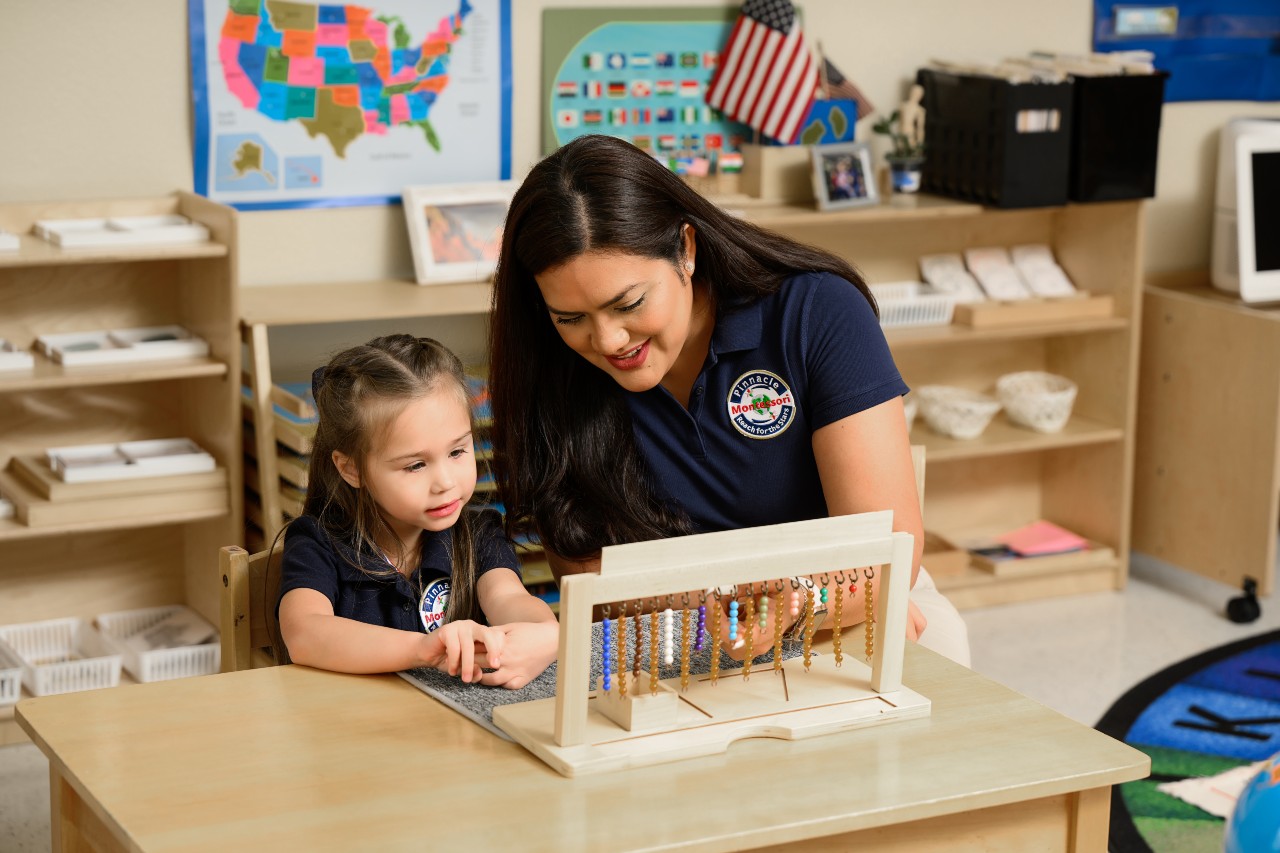
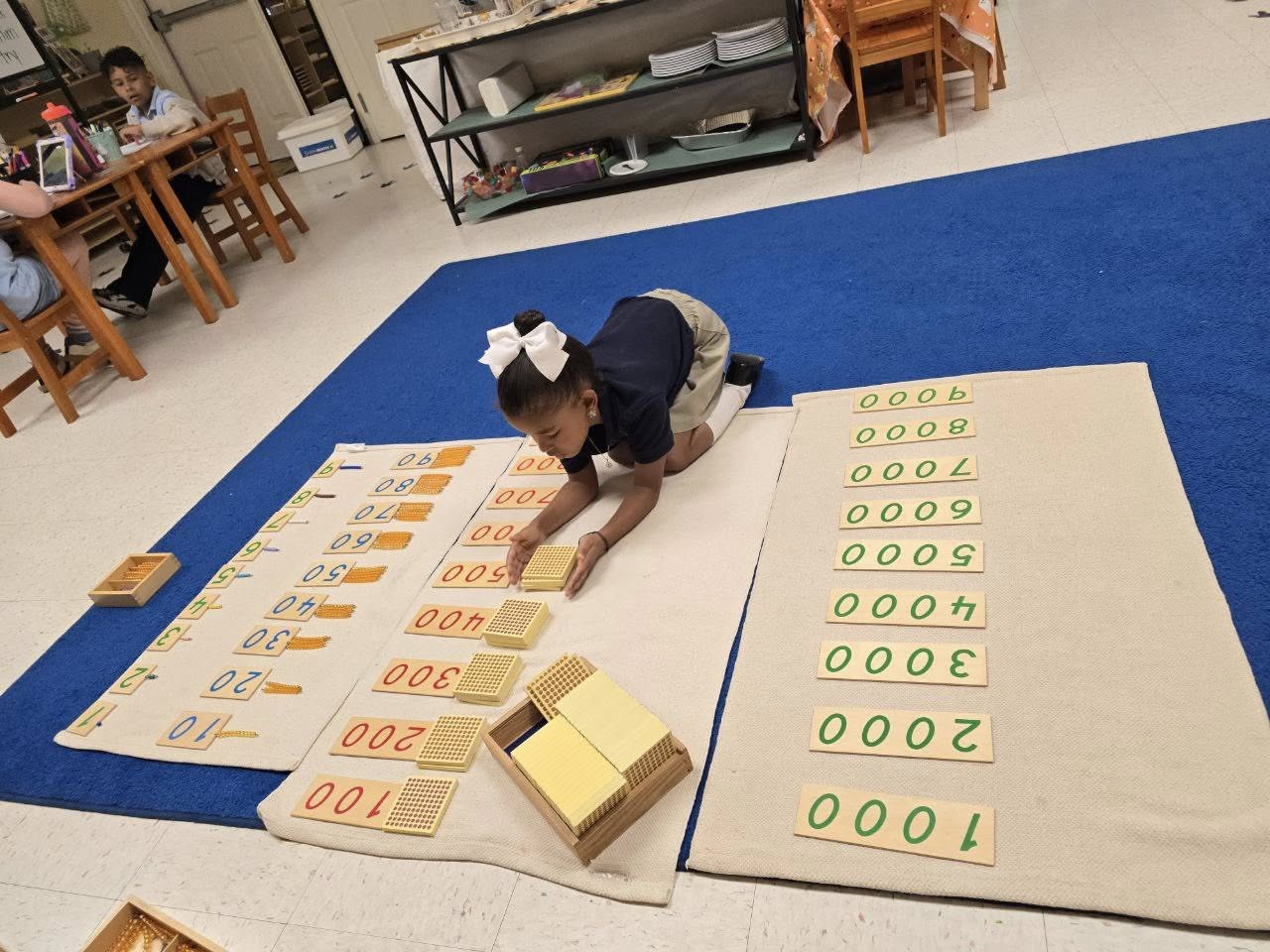
In a Montessori preschool, children are encouraged to do many things for themselves. They choose activities, care for classroom materials, clean up after their work, and participate in daily routines. Instead of relying on adults to solve every problem or make every decision, children are given opportunities to think for themselves and take ownership of their actions.
These experiences may seem small, but they have a lasting impact. A child who learns to complete tasks independently begins to trust their own abilities. Over time, that confidence makes it easier to take initiative, make decisions, and approach challenges with a positive attitude.
One of the most distinctive features of Montessori education is the mixed-age classroom. Rather than grouping children strictly by age, Montessori environments often include students across a range of developmental stages.
This structure creates opportunities that rarely exist in traditional preschool settings. Younger children learn by observing older classmates, while older children naturally step into mentoring roles. They may demonstrate how to use a learning material, help a younger student complete a task, or model appropriate classroom behavior.
These interactions teach leadership in a practical and meaningful way. Children learn that leadership isn’t about being in charge. It’s about helping others, sharing knowledge, and contributing to the success of the group.
Leadership often develops when children feel that their actions matter.
Montessori classrooms provide numerous opportunities for responsibility throughout the day. Children may care for plants, organize materials, prepare snacks, feed classroom pets, or help maintain the learning environment. These tasks are not treated as busy work. They are real responsibilities that contribute to the classroom community.
When children see that others depend on them, they begin to develop a sense of ownership and accountability. They learn that their choices have consequences and that their efforts can make a positive difference. This understanding encourages initiative, a trait commonly found in effective leaders.
Strong leadership depends on strong communication.
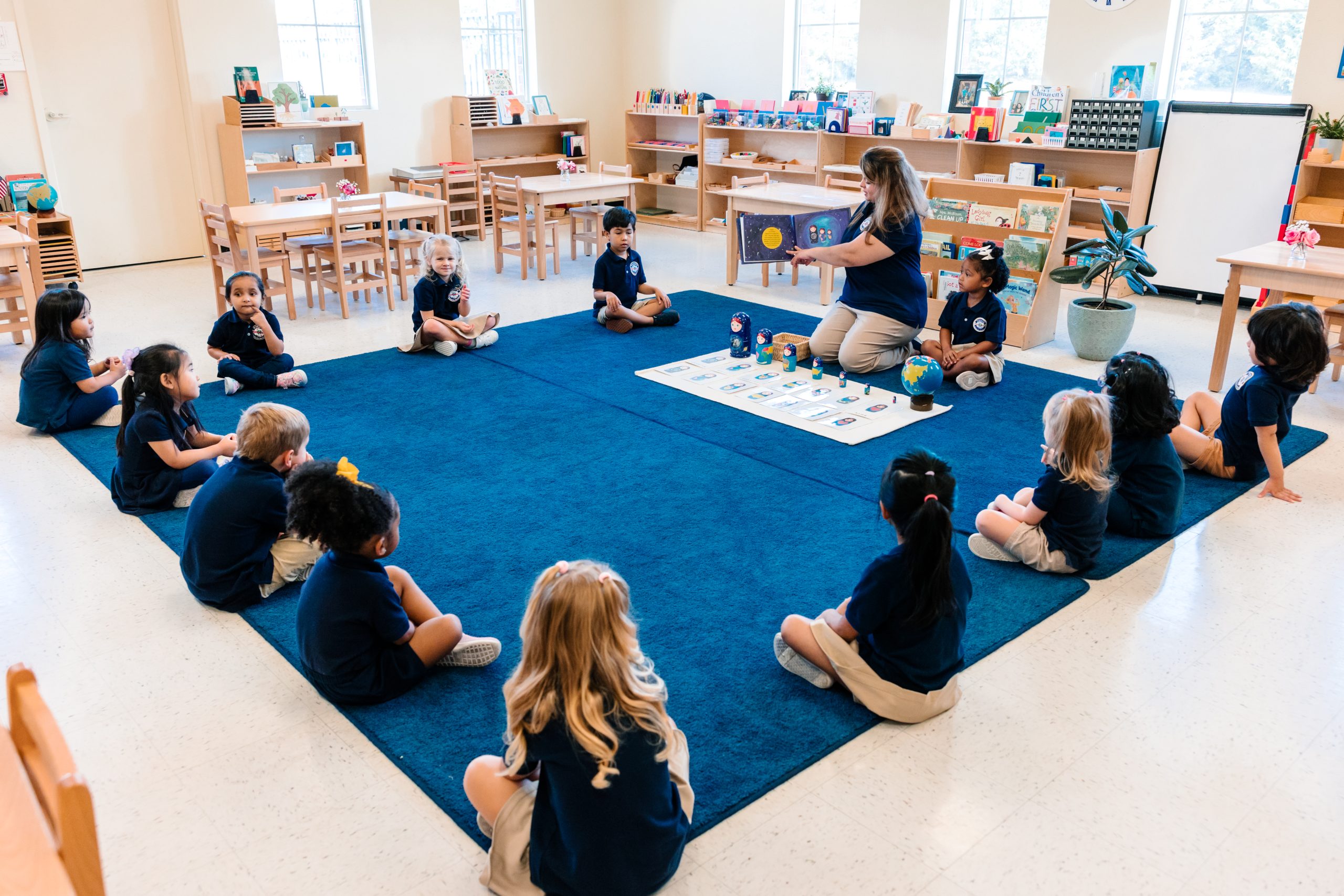
Montessori classrooms place a significant emphasis on respectful interaction and collaboration. Children learn how to express their ideas, listen to others, ask for help when needed, and resolve disagreements peacefully. These social experiences occur naturally throughout the day as children work alongside classmates and participate in group activities.
Rather than having every conflict solved by an adult, children are often guided toward finding solutions themselves. They practice listening, negotiating, and understanding different perspectives. These communication skills become valuable not only in school but also in future relationships, workplaces, and communities.
Leaders are often faced with challenges that require thoughtful solutions. Montessori education helps children develop problem-solving skills from an early age by encouraging exploration and independent thinking.
Instead of immediately providing answers, teachers often guide children toward discovering solutions on their own. Whether a child is working through a difficult puzzle, figuring out how to organize materials, or resolving a disagreement with a classmate, they are encouraged to think critically and consider different options.
These experiences teach children that obstacles are not something to avoid. They are opportunities to learn, adapt, and grow. This mindset can help children become more resilient and confident when facing future challenges.
Many people associate leadership with authority, but some of the most effective leaders are those who understand and support others.
Montessori education places a strong emphasis on empathy, kindness, and respect. Children are encouraged to be aware of the needs of their classmates, offer assistance when appropriate, and contribute positively to their community.
Because the classroom functions as a cooperative environment rather than a competitive one, children learn that success is not about outperforming others. It’s about working together and helping everyone thrive. These lessons help shape compassionate leaders who value relationships as much as achievement.
Confidence develops differently when it comes from experience rather than constant praise.
In Montessori classrooms, children gain confidence by completing meaningful tasks, mastering new skills, and overcoming challenges through their own efforts. They experience the satisfaction of solving problems independently and contributing to their environment.
This type of confidence tends to be more durable because it is rooted in real accomplishments. Children learn that they are capable of learning, adapting, and succeeding through persistence and effort. These experiences create a strong foundation for leadership as they grow older.
Not every child expresses leadership in the same way.
Some children naturally enjoy guiding group activities and speaking confidently in front of others. Others demonstrate leadership through kindness, responsibility, creativity, or thoughtful problem-solving. Montessori education recognizes that leadership can take many forms and provides opportunities for children to develop their strengths in ways that feel authentic to them.
By allowing children to grow at their own pace, Montessori classrooms help each child discover their unique way of contributing to the world around them.
Leadership is not a skill that suddenly appears in adulthood. It develops gradually through experiences that build confidence, responsibility, communication, empathy, and independence. Montessori preschool programs create an environment where these qualities can emerge naturally through everyday learning and interaction.
By encouraging children to make choices, solve problems, help others, and take ownership of their actions, Montessori education helps young learners develop the foundations of leadership long before they realize it. The goal isn’t to create leaders in the traditional sense. It’s to help children become capable, compassionate, and confident individuals who are prepared to make a positive impact wherever life takes them.