
Montessori School Near McKinney
One of the biggest reasons parents choose Montessori education is its focus on independence. While many traditional classrooms rely on teacher-led instruction and structured schedules, Montessori schools encourage children to take an active role in their own learning from an early age.
This doesn’t mean children are left to figure everything out on their own. Instead, Montessori classrooms are carefully designed to help students develop confidence, responsibility, and decision-making skills in ways that match their age and abilities. The goal is to gradually shift children from depending on adults for every answer to becoming capable learners who can think, explore, and solve problems independently.
These skills often extend far beyond the classroom, influencing how children approach challenges throughout their lives.
Dr. Maria Montessori believed that children have a natural desire to learn and grow. Rather than viewing children as passive recipients of information, she saw them as active participants in their own development.
Montessori education is built around the idea that children learn best when they are given meaningful opportunities to make choices, explore their interests, and take responsibility for their actions. Teachers provide guidance and support, but they avoid controlling every aspect of the learning process.
This philosophy creates an environment where children gradually learn to trust their own abilities. Instead of constantly looking to an adult for direction, they begin developing confidence in their capacity to make decisions and complete tasks independently.
One of the most misunderstood aspects of Montessori education is the idea of freedom. People sometimes assume Montessori classrooms allow children to do whatever they want, whenever they want.
In reality, Montessori schools operate on a principle often described as “freedom within limits.”
Children are free to choose from a range of appropriate activities, but those choices exist within a structured environment. They learn to respect classroom rules, care for materials, and consider the needs of others. This balance helps children experience independence while also understanding responsibility.
By making choices within clear boundaries, students learn an important life skill: freedom comes with accountability.
Choice plays a central role in self-directed learning. In many Montessori classrooms, children select activities based on their interests and developmental needs rather than following a rigid schedule created entirely by adults.
A child who feels drawn to a math activity can spend focused time exploring it. Another child may choose a language lesson or a practical life exercise. Teachers observe these choices and guide students toward a balanced range of learning experiences.
This process helps children develop decision-making skills. They learn how to manage their time, evaluate options, and take ownership of their learning. Over time, these experiences build confidence and encourage intrinsic motivation rather than reliance on external rewards.
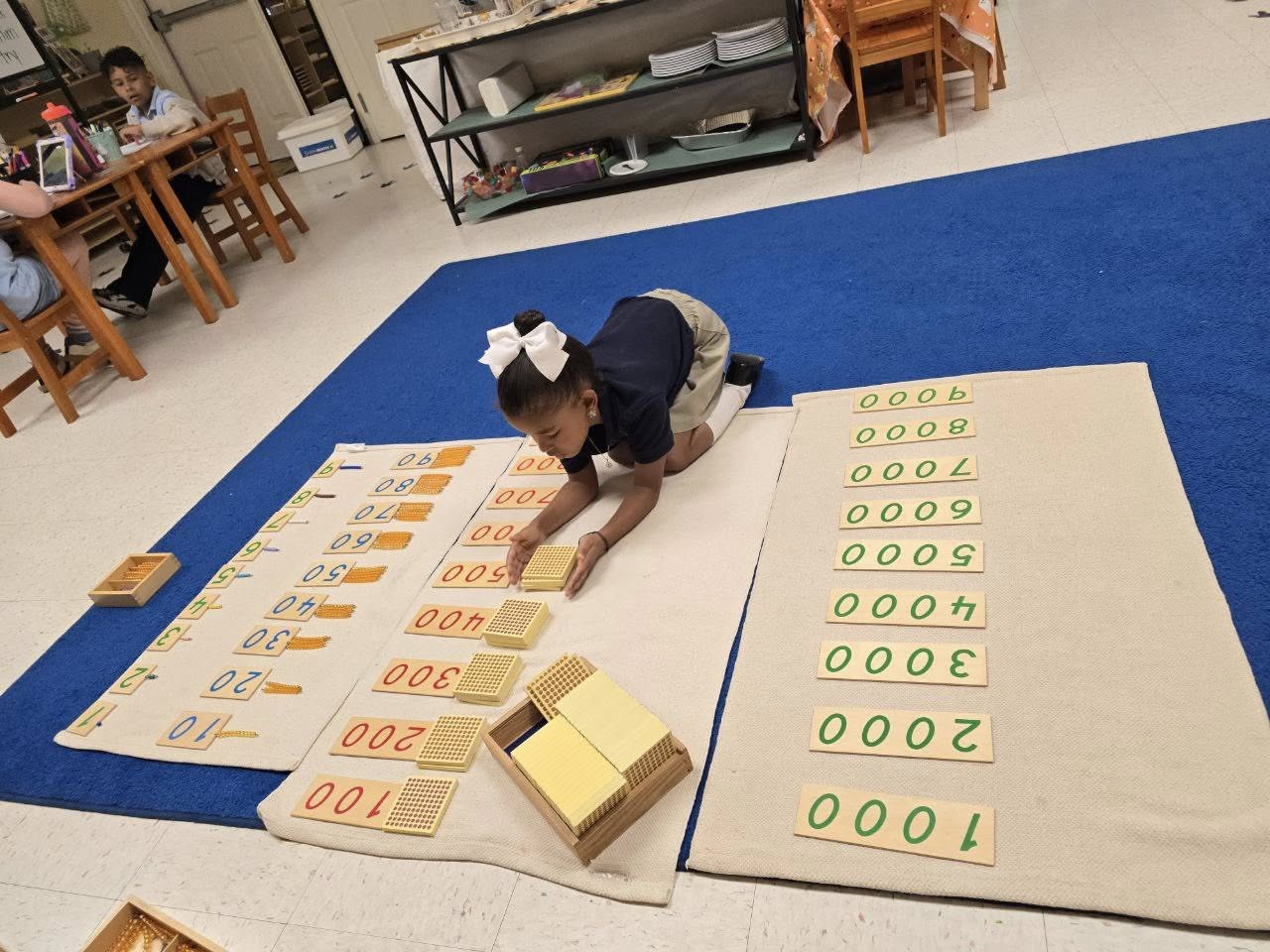
Montessori classrooms emphasize learning by doing. Instead of simply listening to explanations, children interact directly with carefully designed materials that allow them to explore concepts independently.
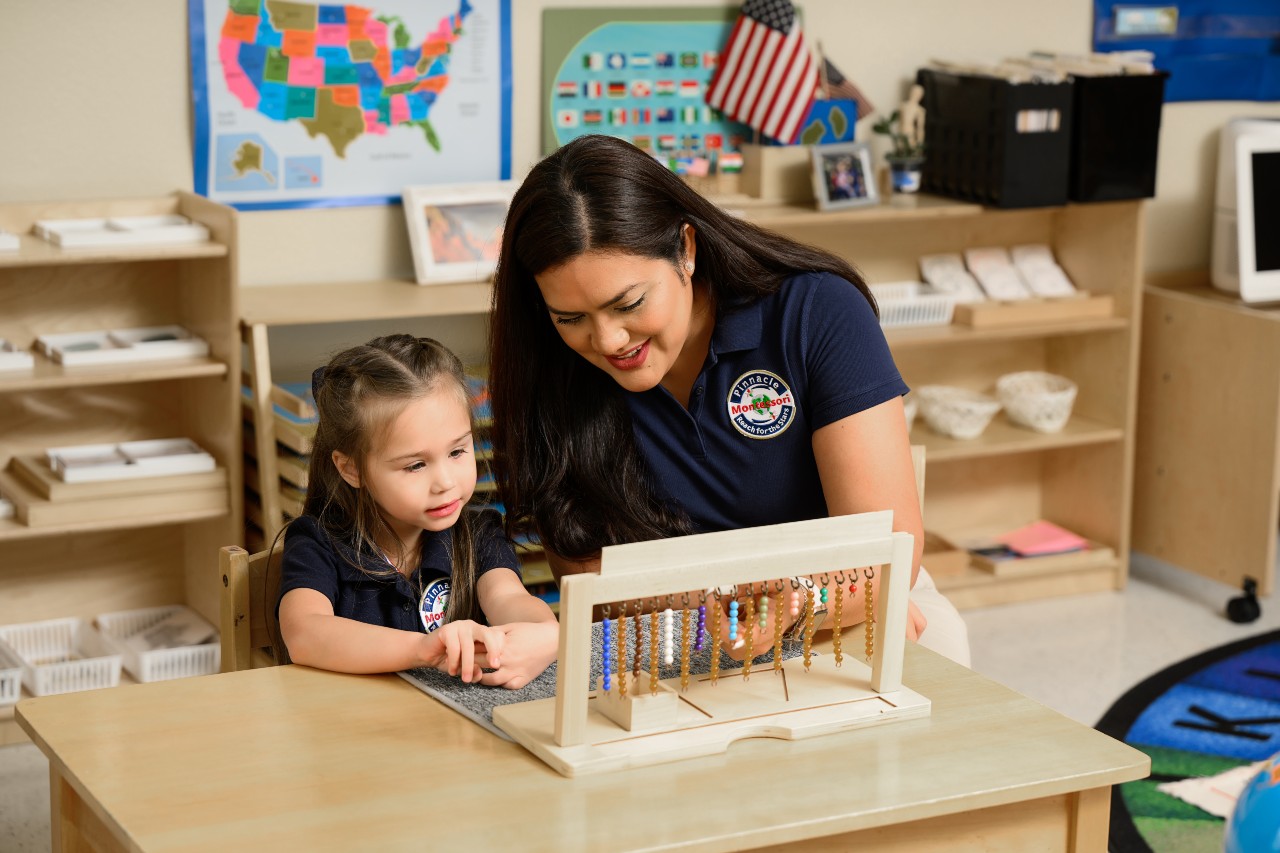
For example, a child learning mathematical concepts may use beads, rods, or other physical materials to understand quantities and relationships. Language activities often involve tracing letters, building words, and engaging multiple senses during the learning process.
Because children actively participate in discovering information, they often develop a deeper understanding of concepts. They become problem-solvers rather than passive learners waiting for answers.
Independence in Montessori education extends beyond academics. Children are encouraged to take responsibility for their environment and personal needs throughout the day.
Even young students participate in practical tasks such as organizing materials, cleaning workspaces, watering plants, serving snacks, or caring for classroom items. These responsibilities help children understand that they are valuable contributors to their community.
What may appear to be small tasks often have a significant impact. Children begin to see themselves as capable individuals who can take care of themselves and help others. This sense of competence strengthens self-esteem and encourages greater independence in other areas of life.
In traditional classrooms, teachers often direct much of the learning process. They choose activities, deliver lessons, and determine when students move from one task to the next.
Montessori teachers take a different approach.
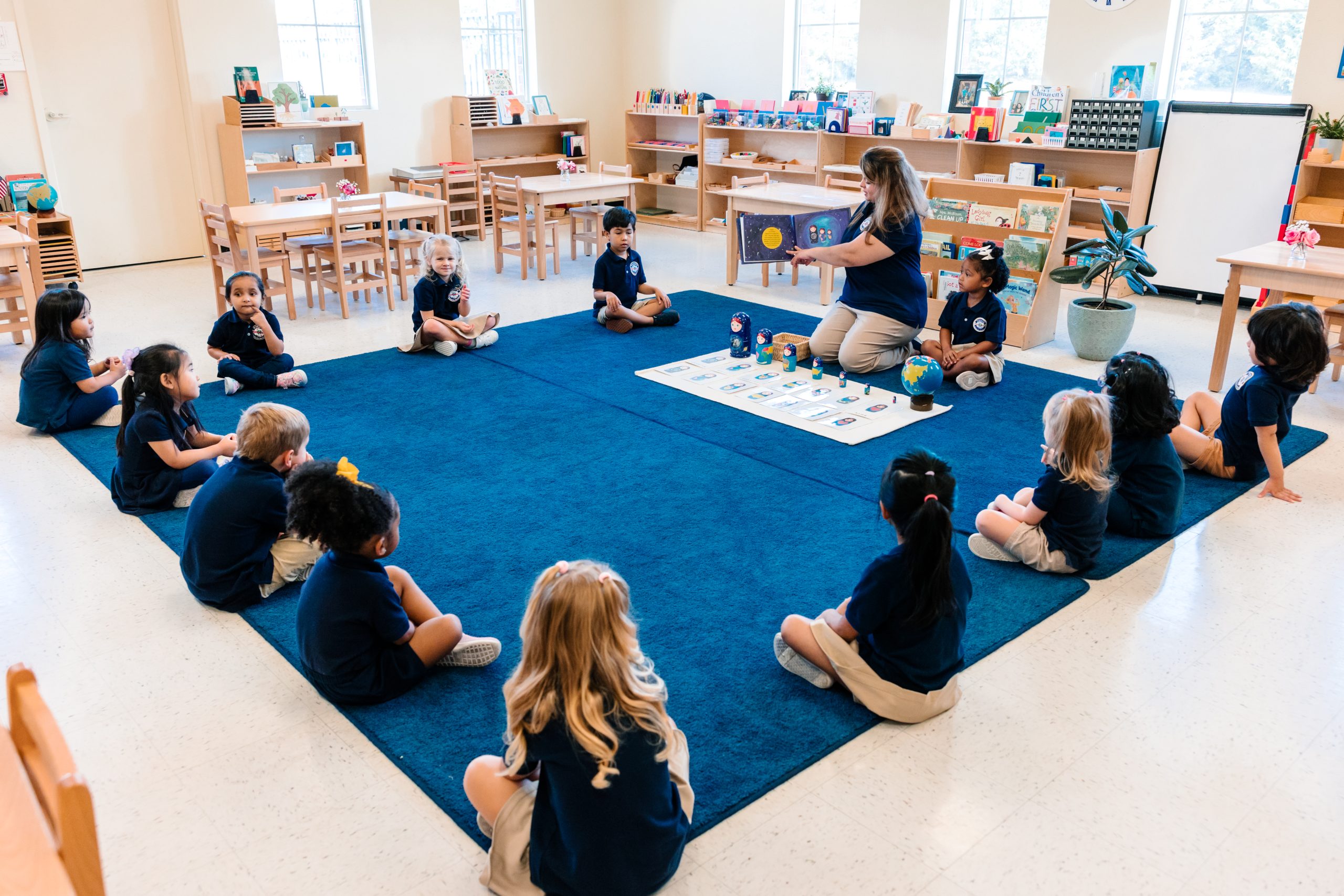
Rather than acting as the center of attention, they serve as guides and observers. They carefully watch each child’s progress, introduce new materials when appropriate, and provide support when needed.
This allows children to develop confidence in their own abilities. Instead of immediately stepping in with solutions, teachers encourage students to think through challenges and discover answers independently. As a result, children learn persistence, critical thinking, and problem-solving skills that serve them well beyond the classroom.
Many educational systems rely heavily on grades, rewards, and external praise to motivate students. Montessori education places greater emphasis on intrinsic motivation, which comes from within the child.
When children have opportunities to pursue meaningful work and experience genuine accomplishment, they often develop a natural desire to learn. Success becomes connected to personal growth rather than external recognition.
This approach can help students become lifelong learners who are driven by curiosity, interest, and self-improvement rather than a constant need for rewards or approval.
The benefits of independence and self-directed learning extend far beyond academic achievement. As children develop these skills, they become better equipped to handle real-world challenges.
Independent learners are often more comfortable adapting to new situations, managing responsibilities, and solving problems without constant supervision. They learn how to set goals, make decisions, and persevere when tasks become difficult.
These qualities can support success not only in future education but also in careers, relationships, and everyday life.
Montessori schools foster independence by creating environments where children are trusted to participate actively in their own learning. Through meaningful choices, hands-on experiences, personal responsibility, and guided exploration, students develop the confidence and skills needed to become self-directed learners.
The goal is not simply to teach academic subjects. It is to help children become capable, responsible individuals who approach challenges with curiosity and confidence. By nurturing independence from an early age, Montessori education provides children with tools that can benefit them for years to come.