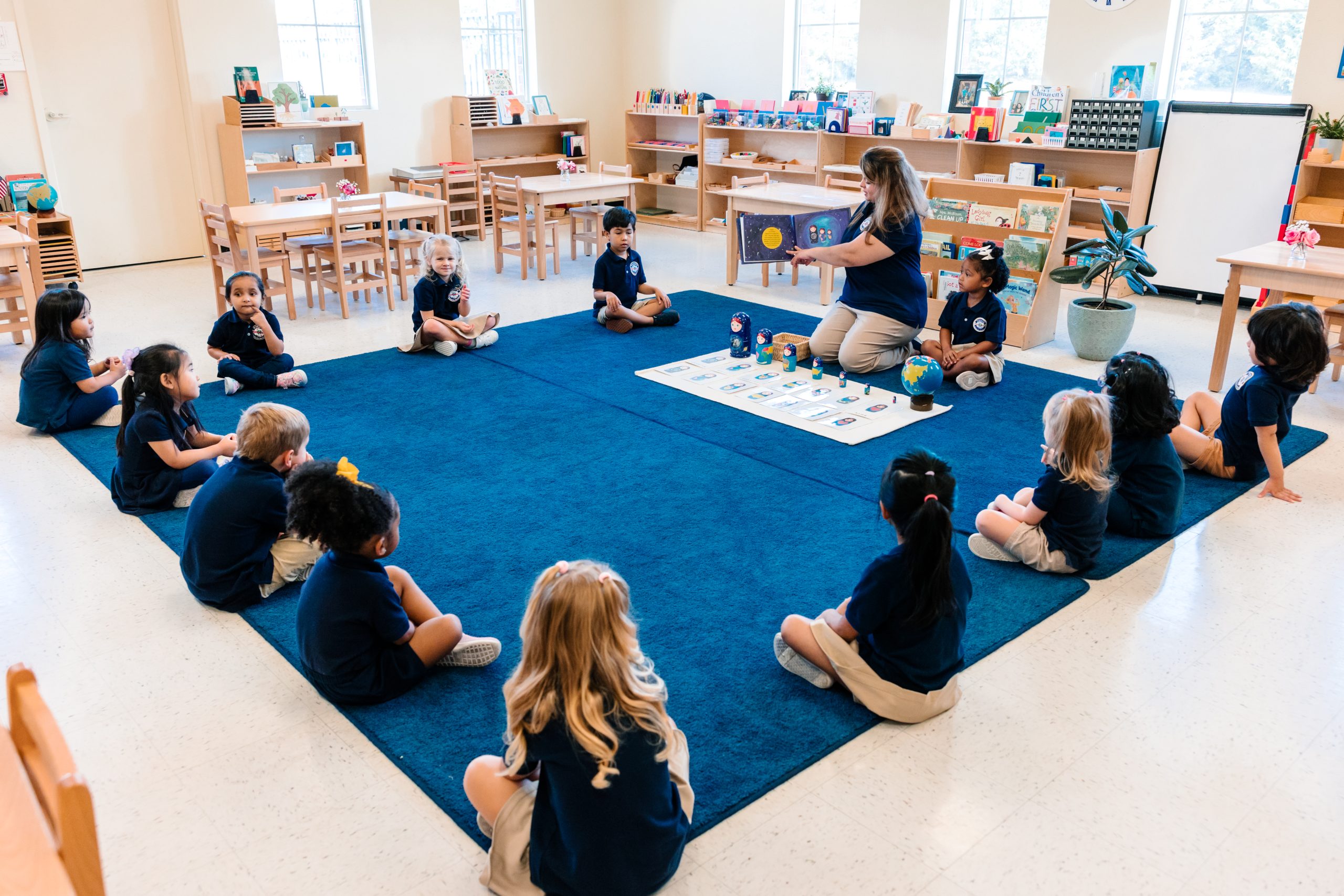
Montessori School Near McKinney
One of the first questions many parents ask when exploring Montessori education is simple: How much does it cost?
It’s a fair question. Choosing a school is both an educational and financial decision, and tuition can play a major role in determining which options are realistic for a family.
The short answer is that Montessori schools are often more expensive than traditional public schools and some daycare programs. However, the actual cost can vary widely depending on factors such as location, age group, program length, and the school’s resources.
Understanding what influences Montessori tuition can help parents make an informed decision and determine whether the investment aligns with their family’s goals.
Many Montessori schools are private institutions, which means they rely heavily on tuition rather than government funding. This alone can contribute to higher costs compared to public schools.
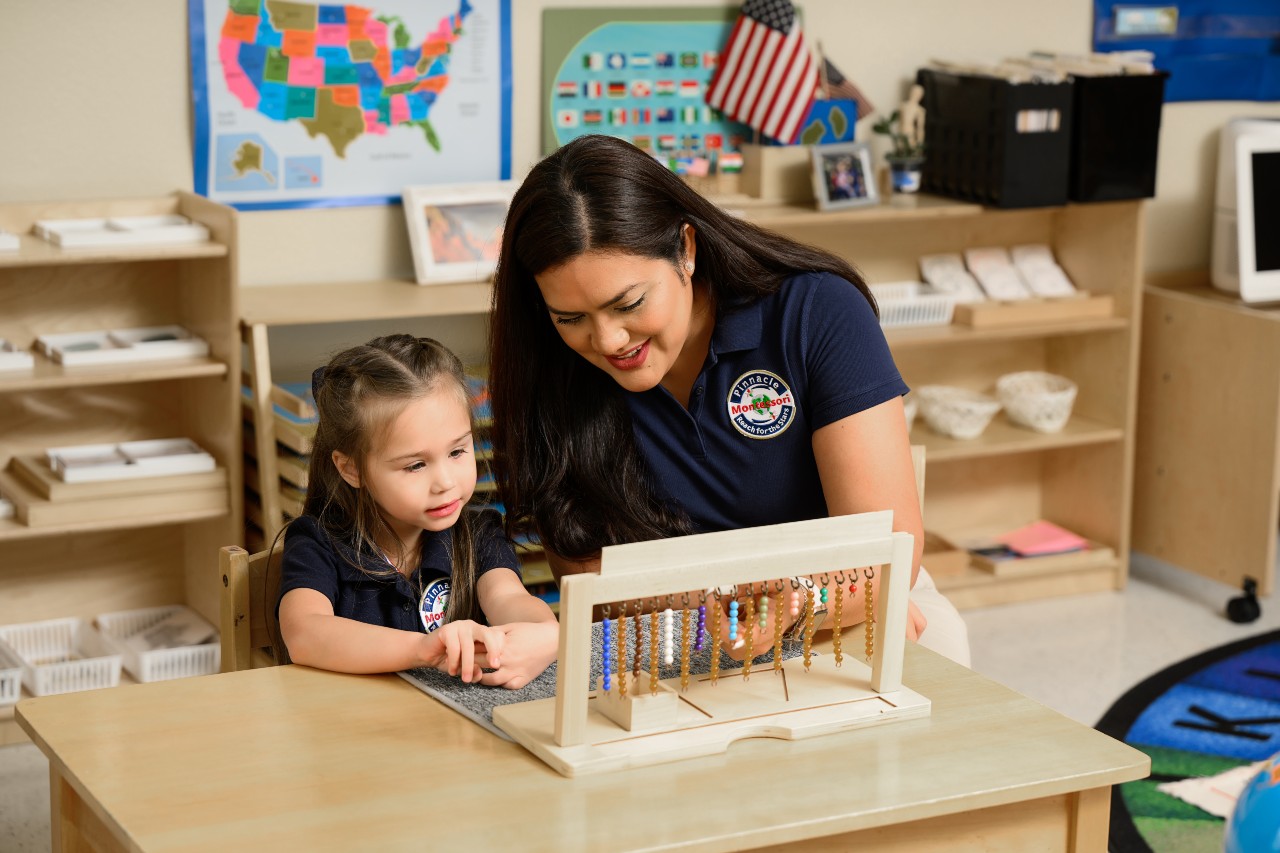
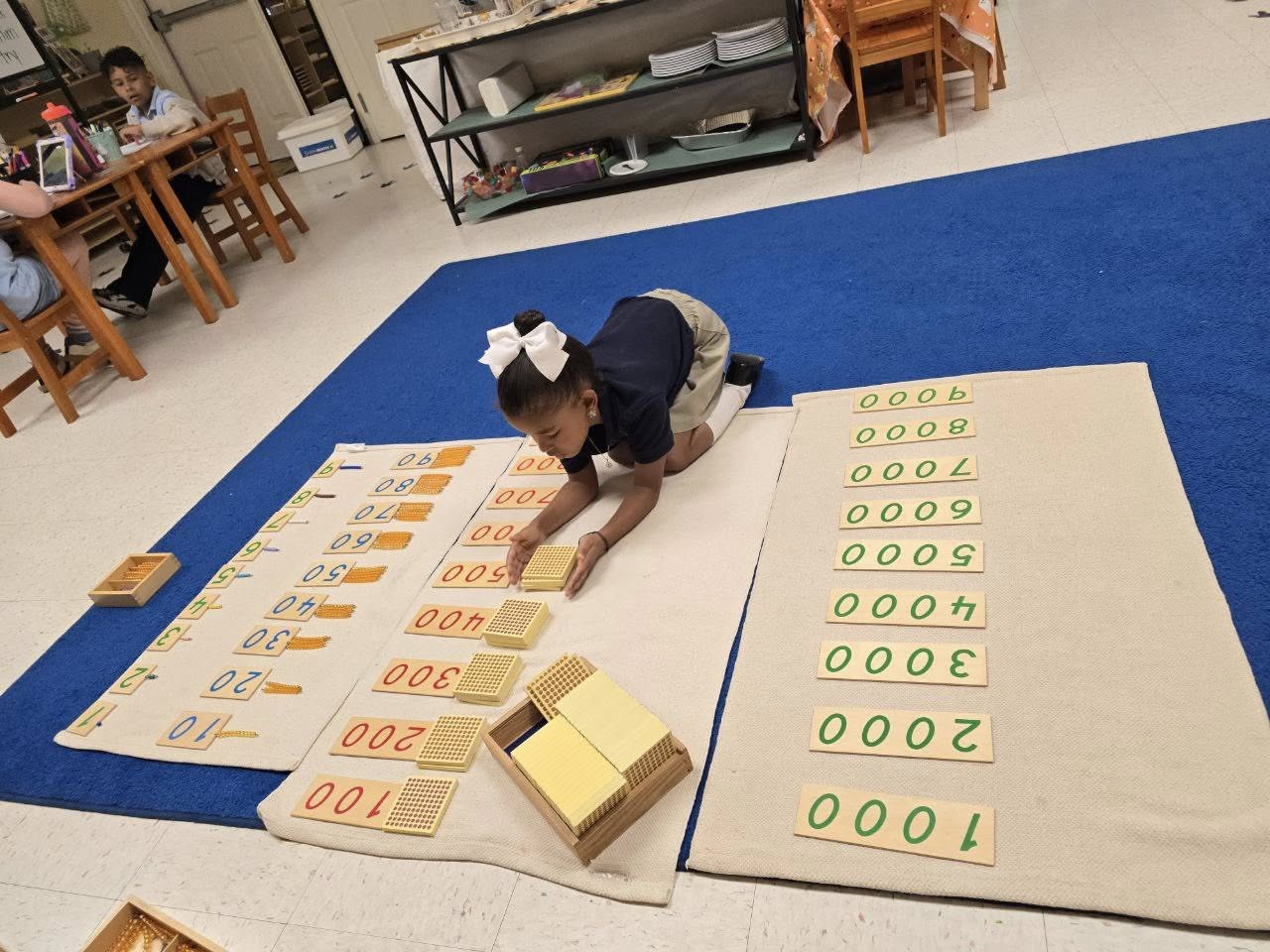
There are also expenses unique to the Montessori approach. Classrooms require specialized learning materials that are carefully designed to support hands-on exploration. These materials are durable and effective, but they can be costly to purchase and maintain.
Teacher training is another factor. Authentic Montessori educators typically complete specialized certification programs that prepare them to guide children according to Montessori principles. Schools often invest significantly in recruiting and retaining trained staff.
Smaller class sizes, carefully prepared environments, and individualized learning experiences can also contribute to higher tuition rates.
Montessori tuition varies greatly depending on where you live and the type of program you choose.
In some areas, part-time preschool programs may cost a few thousand dollars per year. In larger cities or highly sought-after private Montessori schools, annual tuition can reach tens of thousands of dollars.
Programs for infants and toddlers are often among the most expensive because younger children require more supervision and lower student-to-teacher ratios. Elementary and primary programs may have different pricing structures depending on the school’s offerings.
Because costs vary so widely, it’s important to research schools in your local area rather than relying on national averages alone.
Many parents compare Montessori tuition to daycare expenses, especially during the preschool years.
While Montessori schools can sometimes cost more, the difference is not always as large as people expect. In some communities, high-quality daycare centers charge rates that are similar to Montessori programs.
The key distinction is that Montessori schools combine childcare with a structured educational philosophy focused on independence, hands-on learning, and child development. Families often view the tuition as an investment in both care and education.
When comparing costs, it’s helpful to look beyond the monthly payment and consider what is included in the program.
Tuition covers more than classroom time.
Parents are often paying for trained educators, specialized learning materials, individualized instruction, carefully designed environments, and programs that support social, emotional, and academic development.
Montessori classrooms are intentionally structured to encourage independence, concentration, and self-directed learning. Maintaining that environment requires resources that may not be necessary in more traditional settings.
For many families, the value lies in the overall educational experience rather than simply the number attached to the tuition bill.
Not every Montessori school comes with a premium price tag.
Some public schools offer Montessori programs at little or no additional cost to families. Charter schools with Montessori-inspired curricula may also provide more affordable alternatives.
In addition, many private Montessori schools offer financial aid, scholarships, sibling discounts, or flexible payment plans. Families interested in Montessori education should ask about these opportunities during the admissions process.
The sticker price may not always reflect what a family ultimately pays.
The answer depends on what you’re looking for in your child’s education.
Families who value child-led learning, independence, hands-on exploration, and individualized instruction often feel that Montessori education provides benefits that justify the expense. They appreciate the focus on developing the whole child rather than concentrating solely on academic performance.
At the same time, Montessori is not the only path to a successful education. Many children thrive in traditional schools, public programs, and other educational settings.
The most important question is not whether Montessori is expensive. It’s whether the educational approach aligns with your child’s needs and your family’s priorities.
Montessori schools can be more expensive than some educational and childcare options, but the cost varies significantly depending on location, age group, and program type. Factors such as specialized materials, trained educators, smaller class sizes, and individualized learning experiences all contribute to tuition costs.
For many families, Montessori education represents an investment in a learning environment that encourages independence, curiosity, and lifelong learning. Others may find that different educational options better fit their budget and goals.
Before making a decision, take the time to visit schools, compare programs, and ask detailed questions about tuition, financial aid, and what is included. Understanding both the costs and the benefits can help you determine whether Montessori education is the right choice for your child.