
Montessori School Near McKinney
When parents think about education, academic achievement is often the first thing that comes to mind. Reading levels, math skills, test scores, and classroom performance tend to dominate conversations about a child’s success. While these areas are undoubtedly important, they represent only one part of a child’s overall development.
Children are more than students. They are thinkers, problem-solvers, communicators, creators, and individuals learning how to navigate the world around them. A truly effective educational approach recognizes this and supports growth in multiple areas, not just academics.
This is one of the reasons Montessori education continues to attract families around the world. Rather than focusing solely on intellectual development, Montessori takes a holistic approach that nurtures the whole child. It aims to support cognitive, emotional, social, physical, and practical growth, helping children develop into confident and capable individuals.
Holistic education is based on the idea that learning should address all aspects of a child’s development rather than concentrating on academic subjects alone.
In a holistic learning environment, children are encouraged to develop critical thinking skills, emotional awareness, social responsibility, creativity, independence, and self-confidence alongside traditional academic abilities. The goal is to help children become well-rounded individuals who are prepared not only for school but for life itself.
Montessori education naturally aligns with this philosophy. Every element of the classroom, from the learning materials to the teacher’s role, is designed to support the child’s overall development rather than focusing on a single outcome.
Montessori classrooms encourage children to become active participants in their own learning. Instead of simply receiving information from a teacher, students explore concepts through hands-on materials and direct experience.
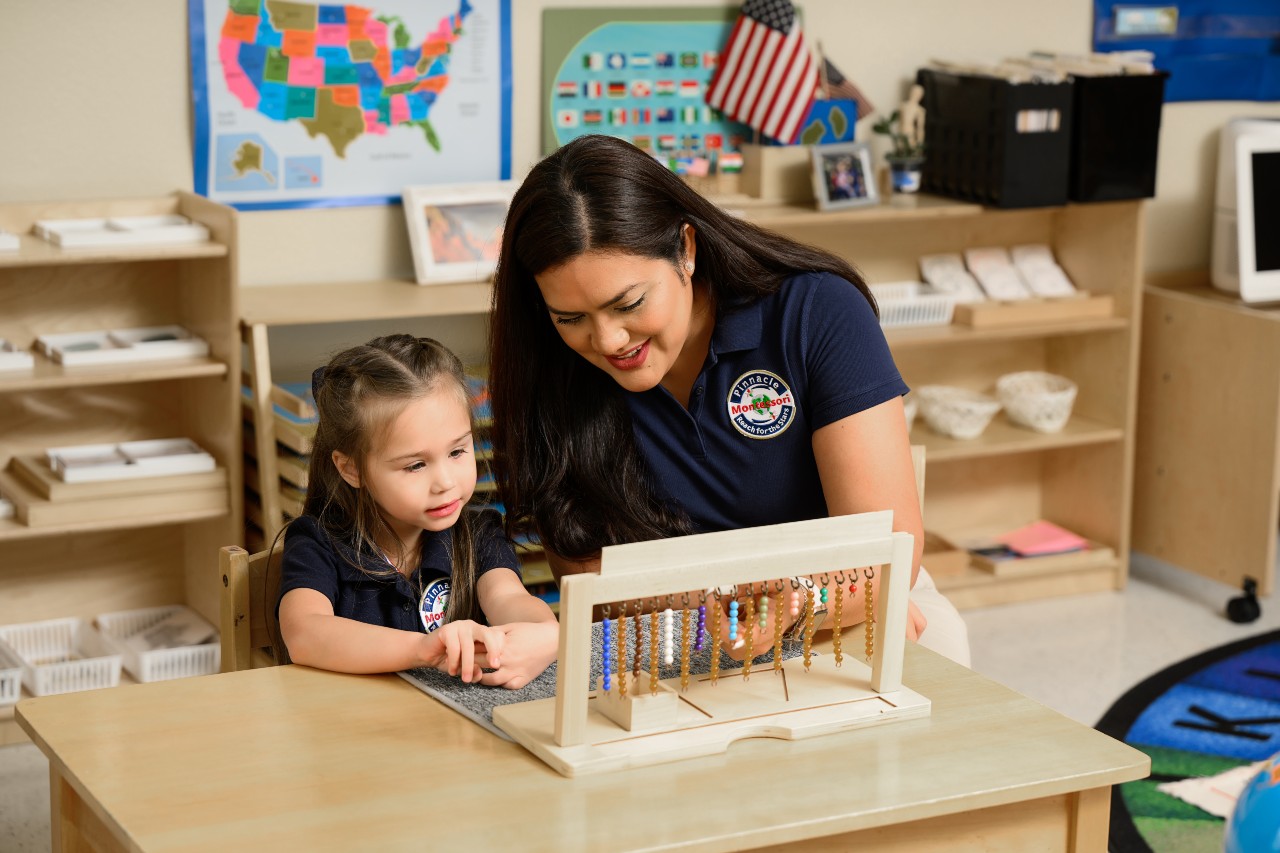
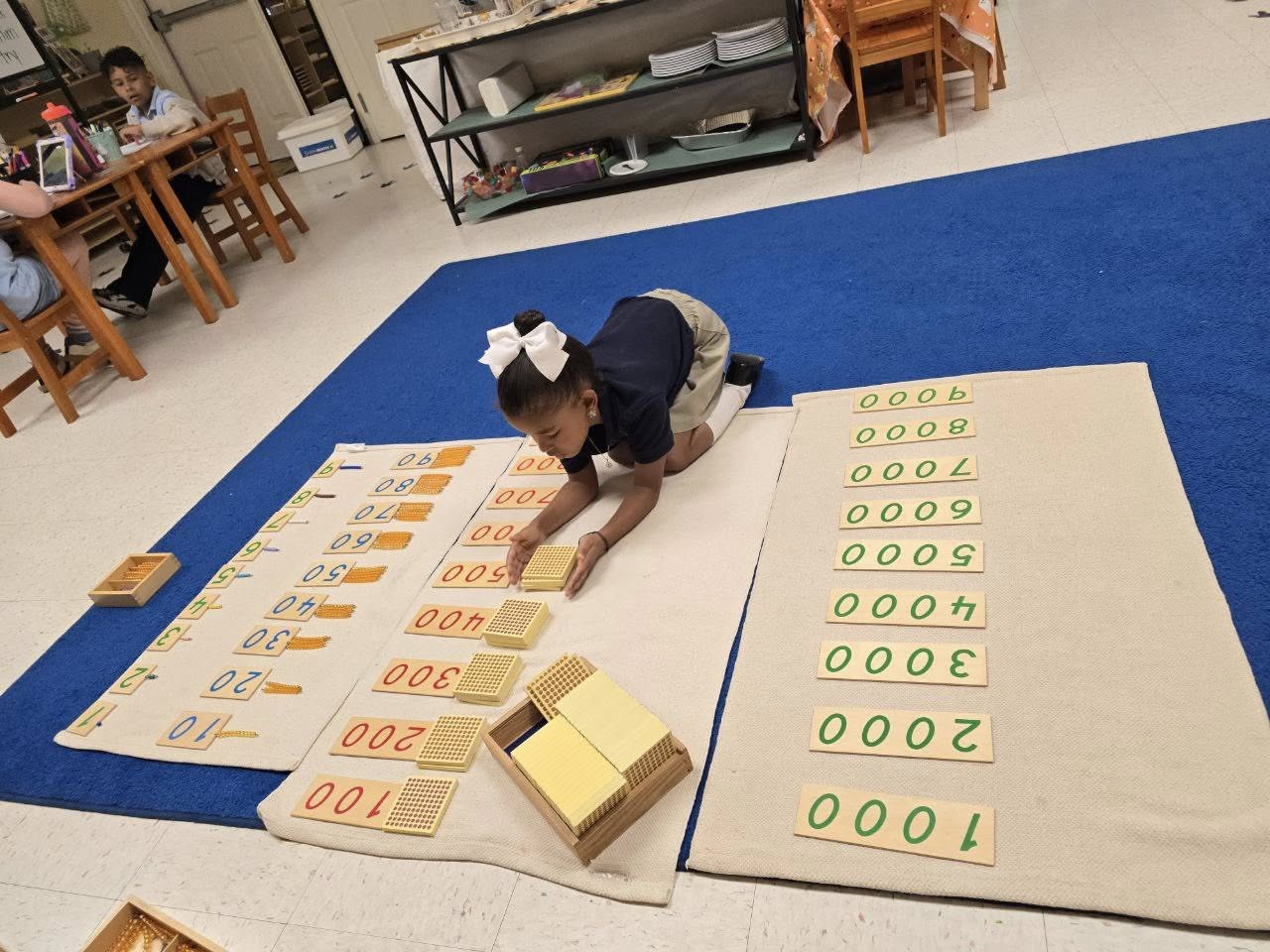
A child learning mathematics may use beads and number rods to understand quantities before moving to abstract calculations. Language lessons often involve tracing letters, building words, and engaging multiple senses during the learning process. Science, geography, and cultural studies are introduced through exploration and discovery rather than memorization alone.
Because children are actively involved in learning, they often develop a deeper understanding of concepts and a stronger sense of curiosity. The focus shifts from simply finding the right answer to understanding how ideas connect and why they matter.
Academic success means little if children lack the confidence and emotional skills needed to handle challenges.
Montessori education places significant importance on helping children understand themselves and manage their emotions. Children are encouraged to work independently, make decisions, and solve problems without constant adult intervention. These experiences help build resilience and self-confidence over time.
When children encounter difficulties, they learn that mistakes are a natural part of learning rather than something to fear. This mindset encourages persistence and helps them develop a healthy relationship with challenges.
As a result, many Montessori students become more comfortable taking initiative and adapting to new situations.
Learning is often viewed as an individual process, but social development plays a major role in a child’s overall growth. Montessori classrooms are designed to foster cooperation, respect, and meaningful interaction among students.
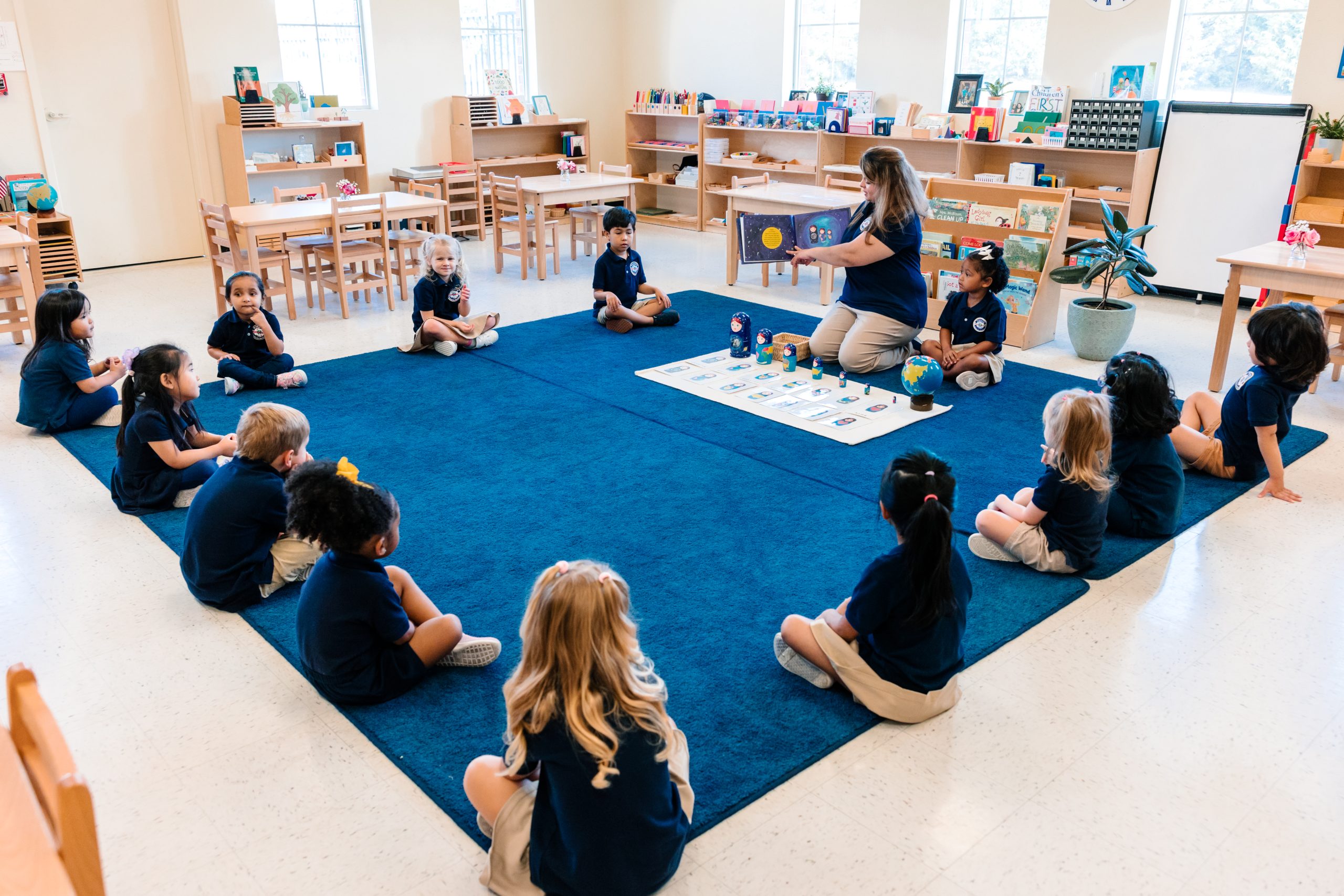
One of the most distinctive features of Montessori education is the mixed-age classroom. Younger children learn by observing older peers, while older students reinforce their knowledge by helping younger classmates. This structure encourages patience, empathy, and leadership.
Throughout the day, children practice communication, collaboration, and conflict resolution. They learn how to share responsibilities, respect different perspectives, and contribute positively to their community. These social skills become valuable assets both inside and outside the classroom.
Physical movement is an essential part of child development, yet it is often overlooked in traditional educational settings.
Montessori classrooms recognize the connection between movement and learning. Children are not expected to remain seated for long periods. Instead, they move around the classroom, carry materials, work at tables or floor mats, and engage in activities that develop coordination and motor skills.
Practical life exercises such as pouring, buttoning, sweeping, and organizing materials strengthen fine motor control while helping children gain independence. Larger movements involved in carrying trays or arranging workspaces support gross motor development and body awareness.
These everyday activities contribute to physical growth while reinforcing concentration and responsibility.
One of the core goals of Montessori education is helping children become independent individuals.
From an early age, children are encouraged to take responsibility for their work, care for their environment, and make meaningful choices. They learn how to manage tasks, solve problems, and complete activities without relying on constant guidance from adults.
This emphasis on independence extends beyond academics. Children participate in practical responsibilities that help them understand their role within a community. Whether they are caring for classroom plants, cleaning up after an activity, or helping a younger student, they learn that their actions matter.
These experiences build confidence and prepare children for greater responsibilities as they grow older.
Perhaps one of the most valuable outcomes of a holistic education is the development of genuine curiosity.
When children are given opportunities to explore their interests, ask questions, and learn at their own pace, education becomes something they enjoy rather than something they simply complete. The focus shifts from external rewards and grades to personal growth and discovery.
This intrinsic motivation often leads to a lifelong love of learning. Children learn not because they have to, but because they want to understand the world around them.
In a rapidly changing world, the desire to keep learning may be one of the most important skills a child can develop.
Modern life presents children with challenges that extend beyond academic performance. They must learn how to communicate effectively, adapt to change, manage emotions, collaborate with others, and think critically about complex problems.
An education that focuses exclusively on academics may leave important gaps in a child’s development. A holistic approach seeks to address these gaps by nurturing the whole person rather than concentrating on a single measure of success.
Montessori education recognizes that every aspect of a child’s growth is connected. Intellectual development, emotional well-being, social competence, physical coordination, and personal responsibility all work together to support long-term success.
Montessori education offers more than a different way to teach academic subjects. It provides a holistic framework that supports the development of the whole child. Through hands-on learning, independence, social interaction, emotional growth, and practical life experiences, children gain skills that extend far beyond the classroom.
Every child has unique strengths, interests, and potential. By nurturing all areas of development rather than focusing solely on academic achievement, Montessori education helps children grow into confident, capable, and compassionate individuals.
In the end, the true measure of education is not just what children know. It’s who they become. Montessori’s holistic approach aims to support both.