
Montessori School Near McKinney
For many years, academic success has been viewed as the primary measure of a child’s education. Parents often focus on reading levels, math scores, and classroom performance when evaluating schools. While these factors are important, they tell only part of the story.
Children are not simply students working toward academic milestones. They are individuals learning how to build relationships, manage emotions, solve problems, and understand their place in the world. An education that focuses exclusively on academics may overlook some of the skills children need most as they grow.
Montessori education takes a broader view. Rather than separating academic learning from social and emotional development, it recognizes that these areas are deeply connected. By nurturing the whole child, Montessori schools aim to help children become confident learners, compassionate community members, and capable individuals prepared for life both inside and outside the classroom.
The phrase “whole-child education” is often used in discussions about modern learning, but its meaning is sometimes misunderstood.
A whole-child approach recognizes that intellectual growth is only one aspect of development. Children also need opportunities to strengthen emotional awareness, social skills, physical coordination, independence, creativity, and critical thinking. These areas work together to shape how children learn, interact with others, and respond to challenges.
Montessori education has embraced this philosophy for more than a century. The classroom is designed not only to teach academic concepts but also to support the development of character, responsibility, and self-confidence. Every activity, interaction, and learning experience contributes to the child’s overall growth.
Montessori classrooms are known for their hands-on approach to education. Instead of relying heavily on lectures or worksheets, children learn by interacting with carefully designed materials that allow them to explore concepts directly.
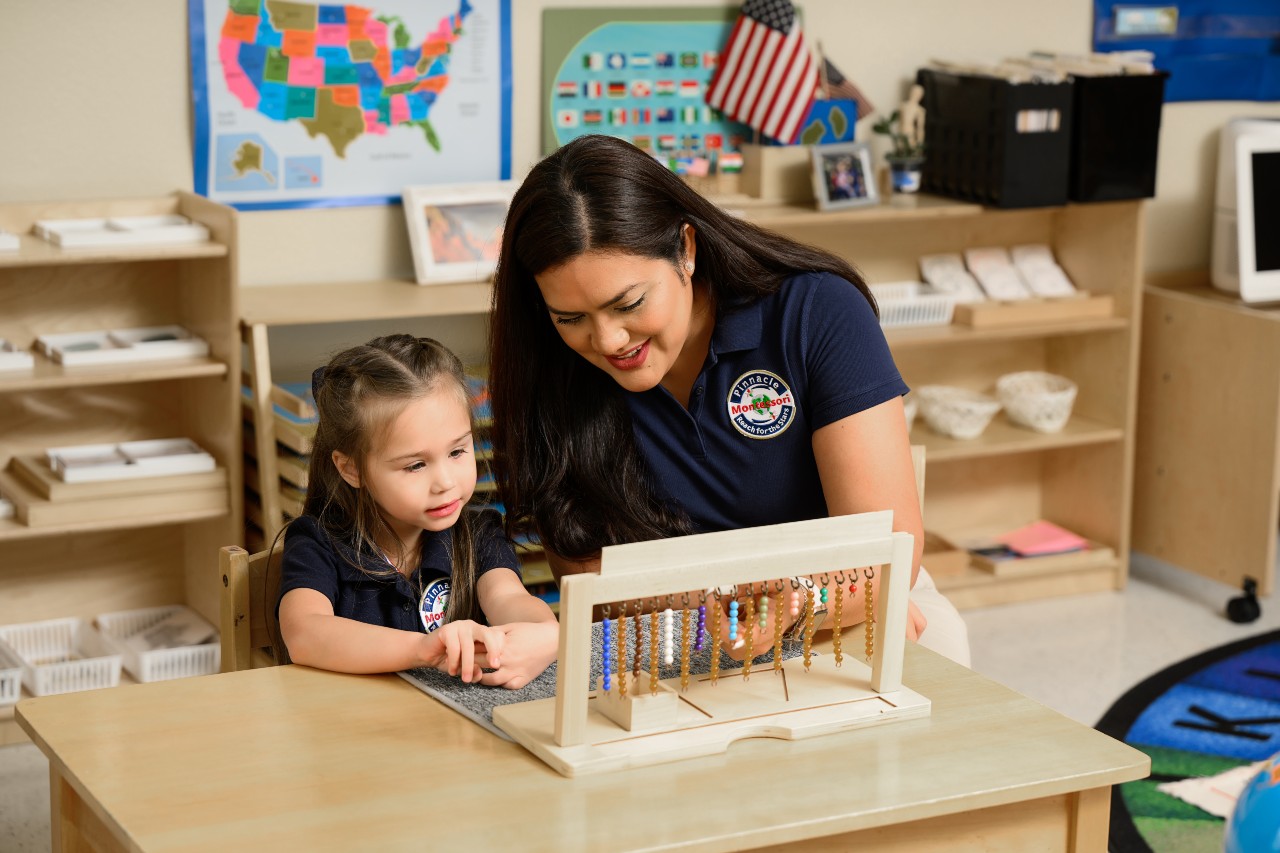
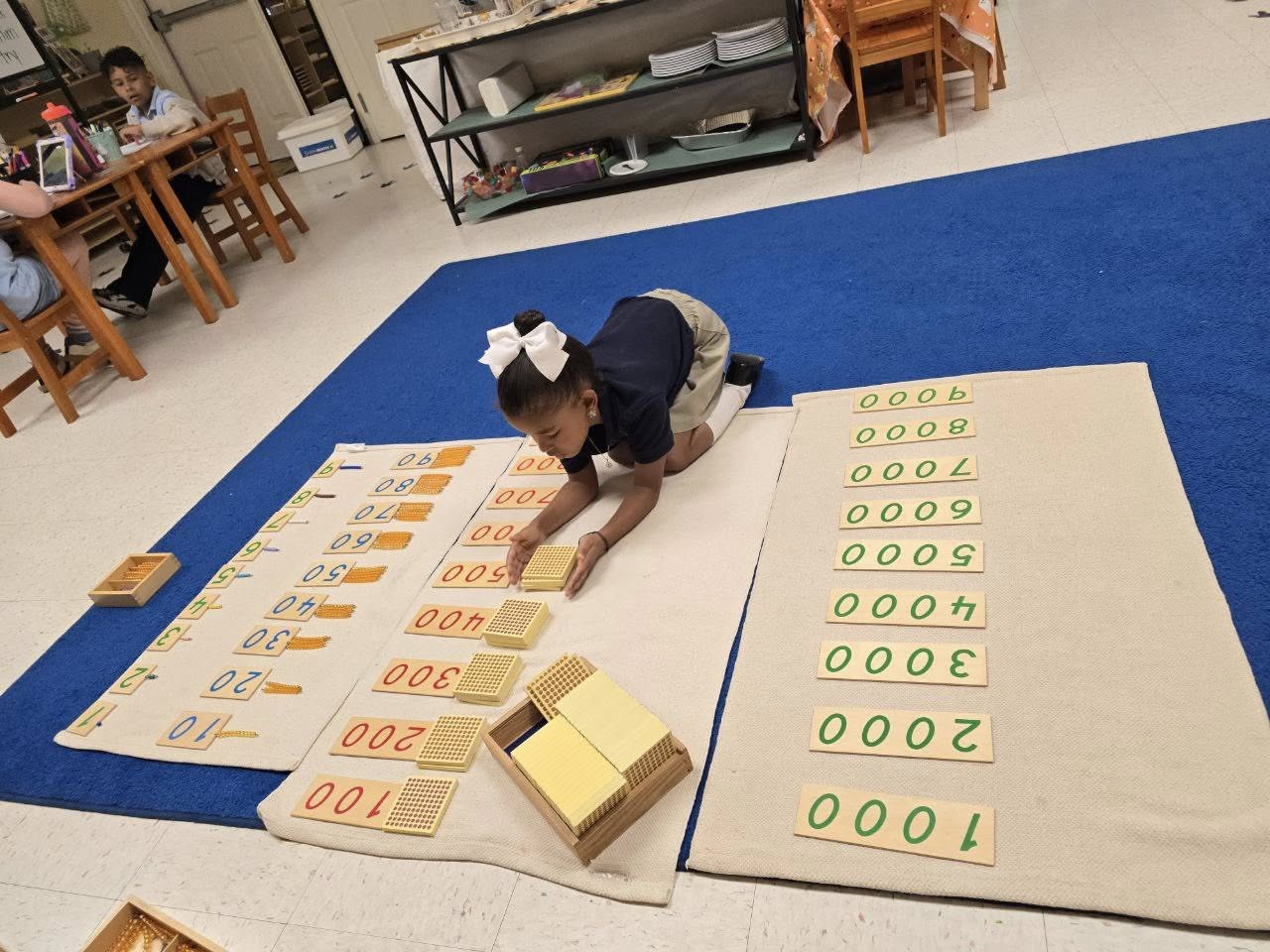
A child learning mathematics might use beads and number rods to understand quantities before moving to abstract equations. Language lessons often involve tracing letters, building words, and working with tactile materials that make learning more engaging and memorable.
Because children actively participate in the learning process, they often develop a deeper understanding of concepts. They are encouraged to ask questions, investigate ideas, and work at their own pace, which helps create a strong academic foundation while maintaining curiosity and enthusiasm for learning.
Emotional development plays a major role in a child’s ability to succeed. Children who understand their emotions and believe in their abilities are often better equipped to handle setbacks, navigate challenges, and approach new situations with confidence.
Montessori education supports emotional growth by encouraging independence and self-directed learning. Children are trusted with responsibilities that allow them to experience both success and occasional frustration. Rather than rushing to solve every problem, teachers guide children toward finding solutions themselves.
This process helps children develop resilience. They learn that mistakes are a natural part of learning and that challenges can be overcome through effort and persistence. Over time, these experiences strengthen self-confidence and encourage a healthy attitude toward growth and improvement.
Learning is not only an individual experience. Children learn a great deal from interacting with others, and Montessori classrooms are designed to encourage meaningful social development.
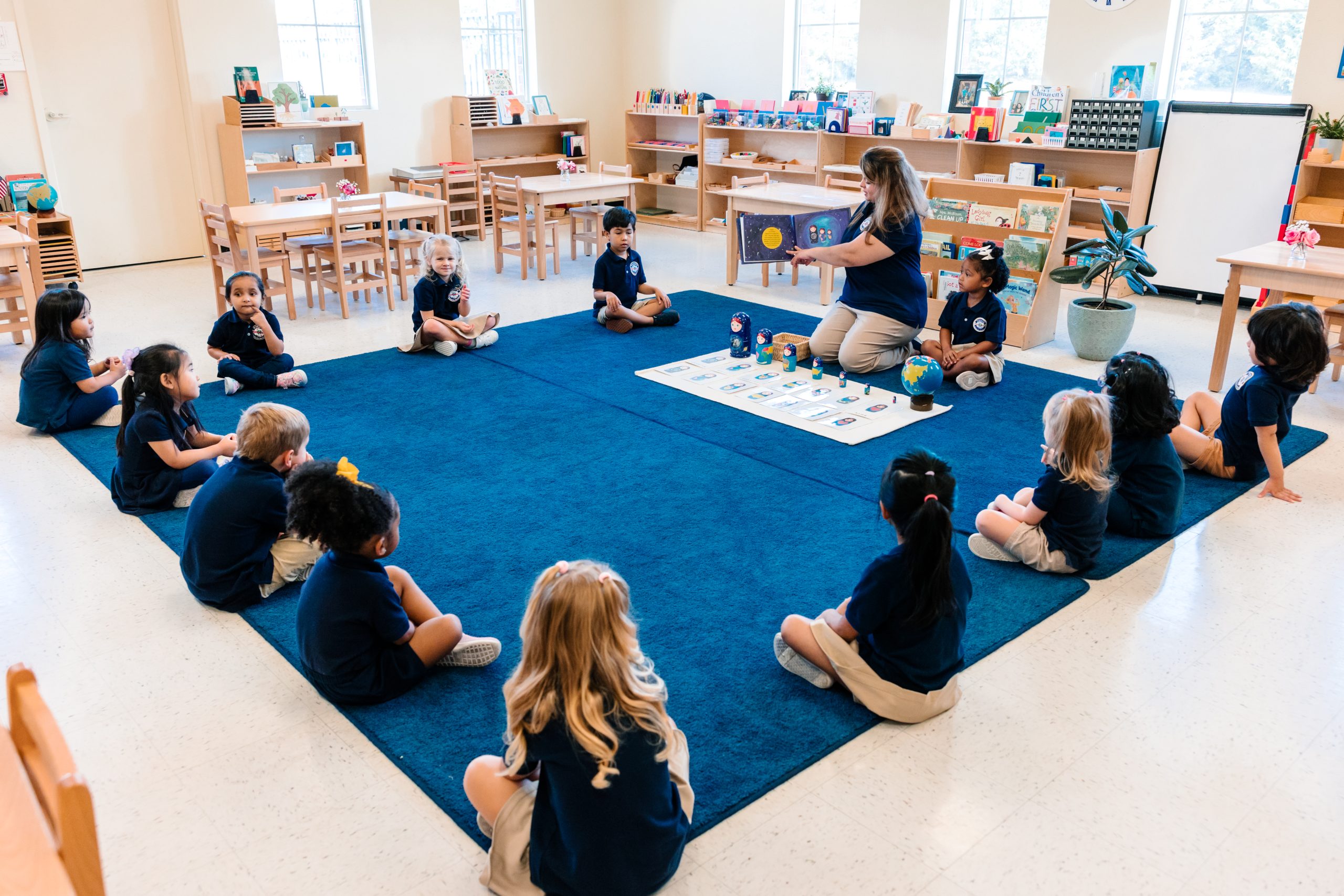
One of the most distinctive features of Montessori education is the mixed-age classroom. Younger children observe and learn from older students, while older children reinforce their understanding by helping younger classmates. These daily interactions create opportunities for cooperation, mentorship, and leadership.
Children also learn how to communicate respectfully, listen actively, share resources, and resolve conflicts peacefully. Instead of competing constantly with peers, they are encouraged to view the classroom as a community where everyone contributes to a positive learning environment.
These social experiences help children develop empathy, patience, and interpersonal skills that support healthy relationships throughout life.
Independence is a cornerstone of Montessori education. From an early age, children are encouraged to take responsibility for their learning, their environment, and their daily tasks.
In a Montessori classroom, children may choose activities, organize materials, care for classroom plants, clean workspaces, or assist classmates when appropriate. These responsibilities help children understand that they are capable contributors to their community.
As children gain experience making decisions and completing tasks independently, they develop confidence in their abilities. This sense of competence often extends beyond the classroom, influencing how they approach challenges at home, in school, and later in life.
Children thrive when they feel valued and connected to the people around them. Montessori classrooms foster this sense of belonging by creating respectful, supportive communities where every child has a role to play.
Rather than focusing solely on individual achievement, Montessori education encourages children to recognize how their actions affect others. They learn to care for shared spaces, support classmates, and contribute positively to the classroom environment.
These experiences help children develop a stronger sense of responsibility and purpose. They begin to see themselves not only as learners but also as members of a larger community.
The world children will enter as adults continues to change rapidly. While academic knowledge remains important, success increasingly depends on qualities such as adaptability, collaboration, emotional intelligence, creativity, and lifelong learning.
Montessori education seeks to develop these qualities alongside traditional academic skills. By encouraging independence, critical thinking, social awareness, and emotional resilience, the approach helps prepare children for challenges that cannot always be predicted or measured by standardized tests.
The goal is not simply to help children perform well in school. It is to help them become capable individuals who can navigate life with confidence and purpose.
Children are complex individuals with unique strengths, interests, and developmental needs. An educational approach that focuses on only one aspect of growth may fail to address the full range of skills children need to thrive.
Montessori education recognizes that social, emotional, and academic development are interconnected. A confident child is often more willing to take academic risks. A child with strong communication skills may collaborate more effectively with others. A child who feels emotionally secure is often better prepared to focus and learn.
When these areas develop together, children gain a stronger foundation for both personal and academic success.
Montessori education is built on the belief that every child deserves more than academic instruction alone. By nurturing social skills, emotional well-being, independence, responsibility, and intellectual curiosity, Montessori schools support the development of the whole child.
This balanced approach helps children become confident learners, compassionate individuals, and capable problem-solvers. While academic achievement remains important, Montessori education recognizes that true success involves much more than grades or test scores.
When children are supported in all areas of development, they are better prepared not only for future education but also for the opportunities, relationships, and challenges they will encounter throughout their lives.