The Unmatched Trustworthiness of Montessori Education: A Closer Look
When parents choose a school, they are placing a great deal of trust in the people and philosophy that will help shape their child’s future. It’s a decision that goes far beyond academics. Families want to know that their children will be supported, respected, and encouraged to grow in ways that extend beyond the classroom.
This is one reason Montessori education has earned the confidence of parents across generations. More than a century after Dr. Maria Montessori introduced her educational approach, Montessori schools continue to attract families seeking an environment that prioritizes the whole child. While educational trends often come and go, Montessori has remained relevant because its core principles are rooted in a deep understanding of child development.
The trust many parents place in Montessori education isn’t built on marketing promises or short-term results. It comes from a philosophy that has consistently demonstrated its ability to nurture independence, curiosity, responsibility, and lifelong learning.
A Philosophy Built on Observation, Not Assumption
One of the reasons Montessori education has earned such lasting credibility is its foundation in careful observation.
Dr. Maria Montessori was not simply an educator with a theory about how children should learn. She was a physician and researcher who spent years observing children’s behavior, development, and learning patterns. Rather than creating a system based on adult expectations, she designed an approach that responded to how children naturally grow and learn.
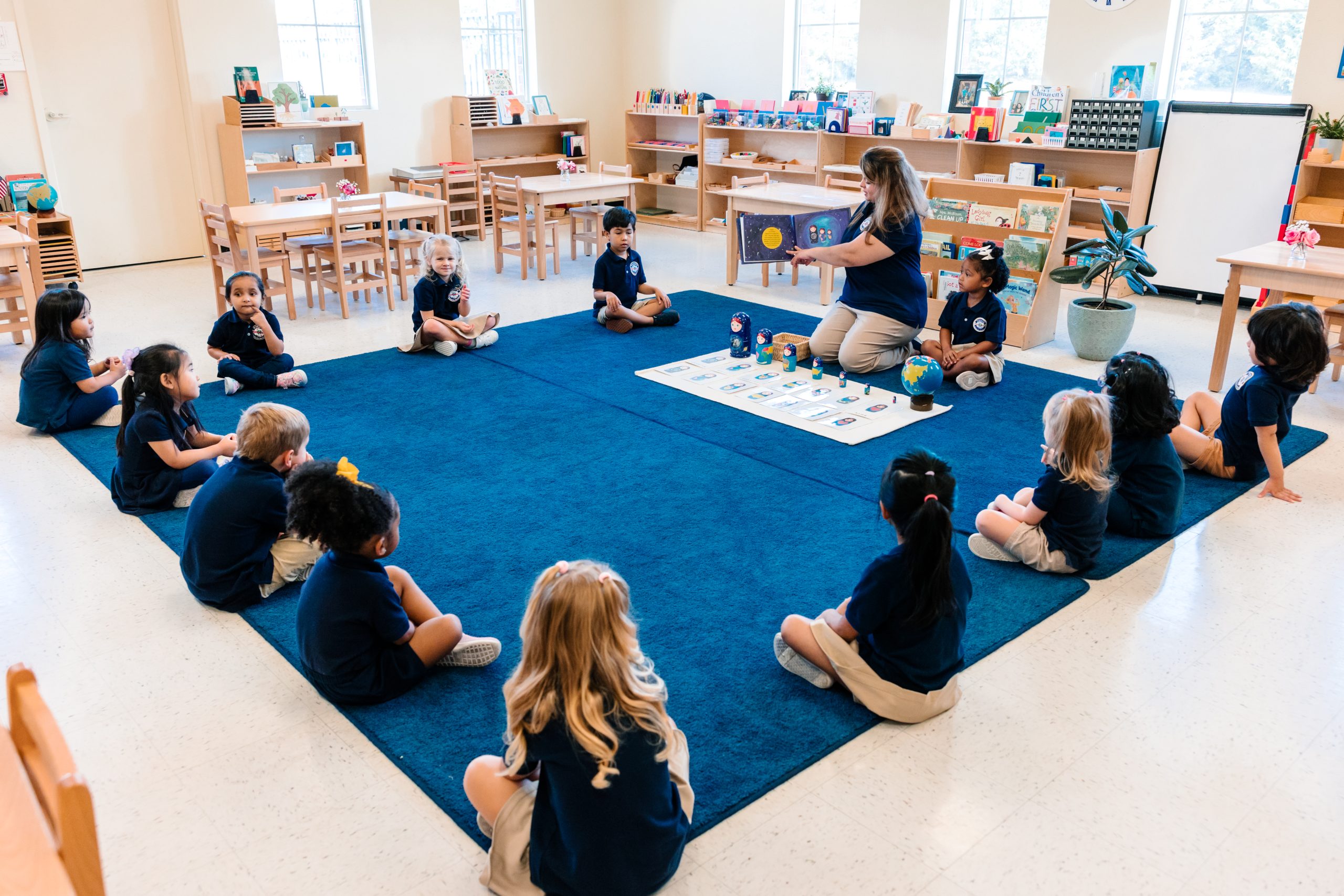
This focus on observation remains a defining characteristic of Montessori classrooms today. Teachers spend significant time understanding each child’s interests, strengths, and developmental needs. Instead of forcing children into a predetermined learning path, they guide learning in ways that respect individual growth.
For many parents, this personalized approach helps build confidence that their child is being understood as an individual rather than treated as just another student in a classroom.
More Than a Century of Educational Success
Educational methods frequently evolve, and new approaches emerge every few years promising better outcomes. Montessori education stands apart because it has maintained its influence for more than 100 years.
Since the first Montessori classroom opened in 1907, the approach has spread to schools around the world. Families from different cultures, backgrounds, and communities have embraced its principles because they continue to see positive results in children’s development.
While no educational method is perfect for every child, the longevity of Montessori education speaks to its enduring effectiveness. Parents often find reassurance in knowing that the philosophy has been tested, refined, and trusted across generations.
Respect for the Child
Trust is built when people feel respected, and Montessori education extends that principle to children.
Rather than viewing children as passive learners who need constant correction and direction, Montessori classrooms recognize them as capable individuals with unique interests and abilities. Children are encouraged to make choices, solve problems, and participate actively in their own learning.
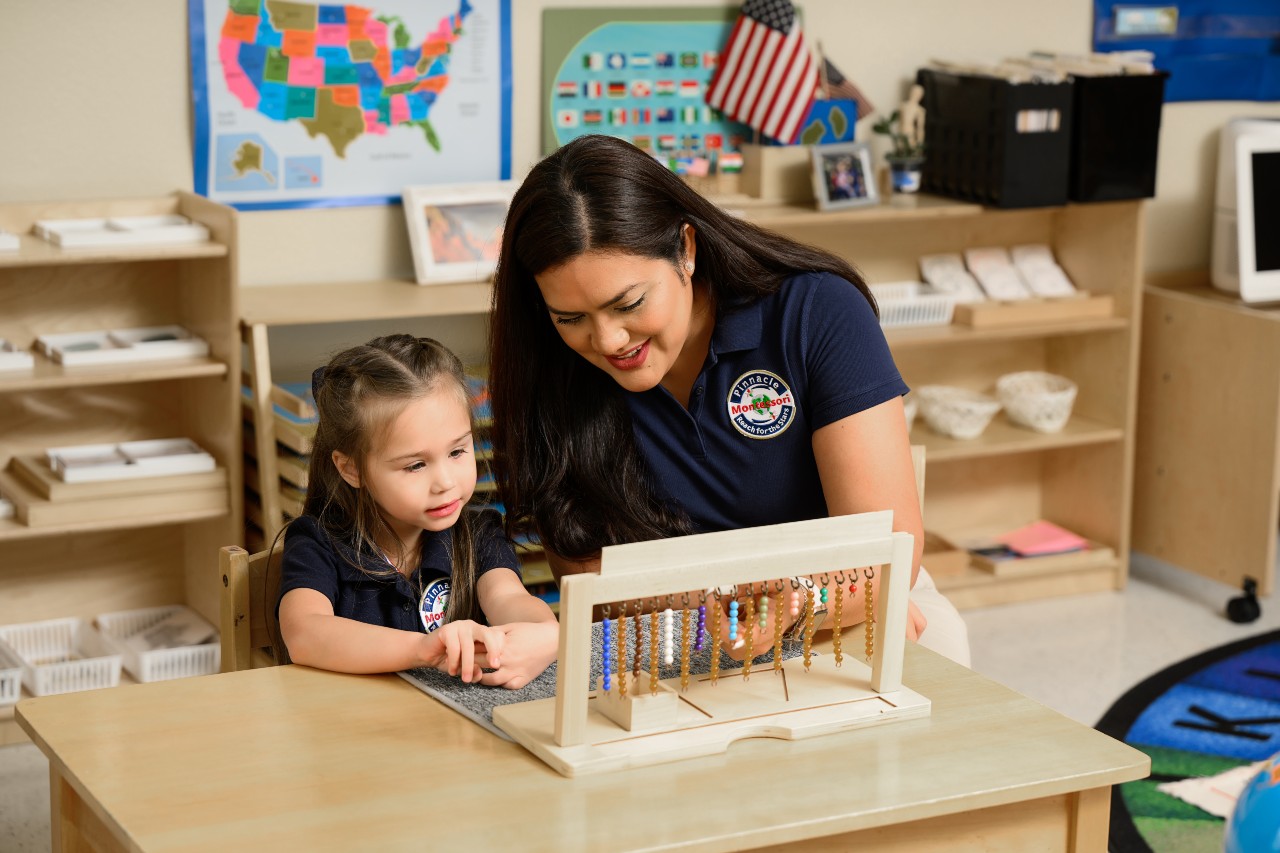
This respect shapes every aspect of the Montessori environment. Teachers guide rather than control. Children are given opportunities to work independently. Mistakes are viewed as part of the learning process rather than something to be punished.
When children feel respected, they often become more confident, engaged, and motivated. Parents frequently value this aspect of Montessori education because it supports both personal growth and academic development.
Consistency Between Philosophy and Practice
Many educational programs promote values such as independence, creativity, and critical thinking. Montessori education is distinctive because these values are woven into daily classroom experiences rather than existing only in mission statements.
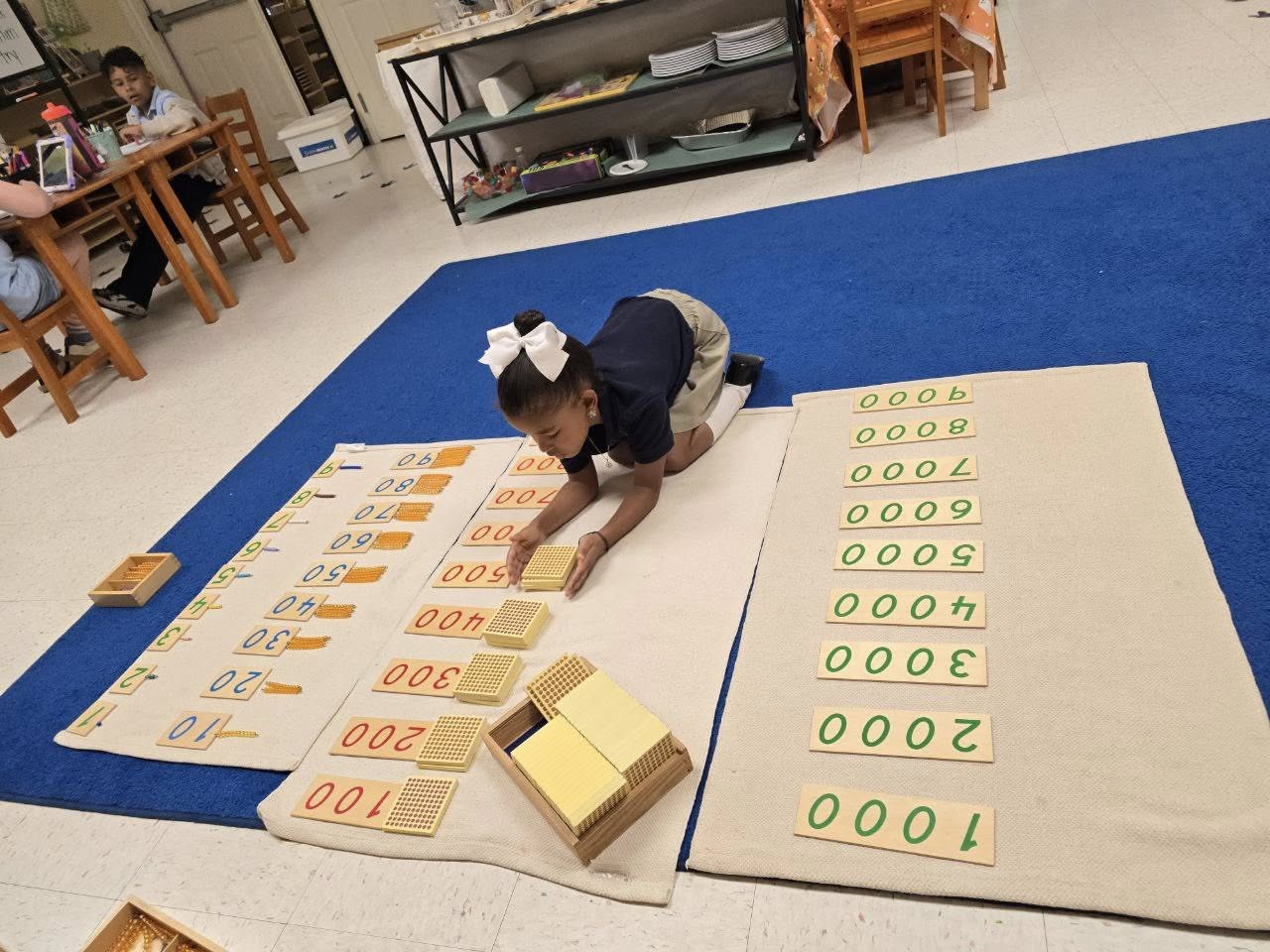
Children practice independence by choosing activities and caring for their environment. They develop responsibility through meaningful classroom tasks. Critical thinking emerges through hands-on exploration and problem-solving opportunities.
This consistency between philosophy and practice contributes to the trust parents place in Montessori schools. The principles are not simply discussed. They are lived every day through the structure of the classroom and the experiences provided to children.
Focusing on the Whole Child
Parents increasingly recognize that success involves more than strong academic performance.
Children also need emotional resilience, social awareness, communication skills, and confidence in their ability to navigate challenges. Montessori education has long embraced this broader view of development.
Academic learning remains important, but equal attention is given to social, emotional, physical, and practical growth. Children learn how to work with others, manage responsibilities, solve conflicts, and contribute to their community.
This holistic perspective helps explain why many families trust Montessori education. They see it as an approach that prepares children not only for school but also for life.
Encouraging Independence and Responsibility
Trustworthiness is often reflected in outcomes, and one outcome frequently associated with Montessori education is independence.
Children are encouraged to take ownership of their learning from an early age. They make decisions, manage tasks, and develop problem-solving skills through daily experiences. These opportunities help them build confidence while learning to take responsibility for their actions.
Parents often notice these qualities extending beyond the classroom. Children may become more willing to help at home, complete tasks independently, and approach challenges with greater confidence.
These practical benefits reinforce parents’ trust in the educational approach and its long-term value.
A Learning Environment That Prioritizes Curiosity
One of the most remarkable qualities of young children is their natural curiosity. They constantly ask questions, investigate their surroundings, and seek to understand how the world works.
Montessori education seeks to protect and nurture that curiosity rather than replace it with a focus solely on grades or external rewards. Children are encouraged to explore topics that interest them, engage with hands-on materials, and pursue meaningful learning experiences.
When curiosity remains at the center of education, learning often becomes something children enjoy rather than something they simply complete. For many parents, this ability to foster a lifelong love of learning is one of the most trustworthy aspects of the Montessori philosophy.
Why Families Continue to Choose Montessori
Trust is rarely built overnight. It develops through consistency, experience, and results.
Families continue to choose Montessori education because they see an approach that respects children, values individuality, encourages independence, and supports development in multiple areas of life. They appreciate that the philosophy is grounded in observation, supported by decades of practice, and focused on preparing children for more than academic achievement alone.
The trust parents place in Montessori education often comes from seeing how children respond to the environment. Confidence grows. Curiosity flourishes. Responsibility develops. These outcomes create lasting impressions that extend far beyond report cards and test scores.
Final Thoughts
The enduring trustworthiness of Montessori education stems from its commitment to understanding and supporting children as whole individuals. For more than a century, the approach has remained focused on principles that continue to resonate with parents: respect, independence, curiosity, responsibility, and lifelong learning.
While educational trends may change, the fundamental needs of children remain remarkably consistent. They need opportunities to explore, make choices, build confidence, and develop meaningful skills. Montessori education has earned the trust of generations because it continues to provide an environment where those needs are recognized and supported.
For families seeking an educational approach grounded in both respect for the child and a deep understanding of development, Montessori remains a trusted choice that has stood the test of time.