Montessori School Near McKinney
Today, the name Maria Montessori is recognized around the world. Thousands of schools follow her educational philosophy, and millions of children have learned through methods inspired by her work. Yet many people know surprisingly little about the woman behind the Montessori approach.
Maria Montessori was more than an educator. She was a physician, researcher, advocate for children, and a pioneer who challenged many of the social expectations of her time. Her ideas transformed early childhood education and continue to influence classrooms more than a century later.
Here are eight interesting facts about Maria Montessori that reveal the remarkable life behind the famous name.
In the late 1800s, very few women pursued careers in medicine. The field was dominated by men, and women often faced significant barriers to higher education.
Maria Montessori refused to accept those limitations. Despite strong opposition, she enrolled in medical school at the University of Rome and graduated in 1896. This achievement made her one of the first female physicians in Italy.
Her medical training would later shape her approach to education. Instead of relying on assumptions about how children learn, she carefully observed their behavior and development, much like a scientist studying a subject.
Montessori did not originally set out to create a new educational method. Her early work focused on children with developmental and learning disabilities.
While working in clinics and institutions, she became interested in how these children learned. She noticed that many struggled not because they lacked intelligence but because they lacked appropriate learning materials and opportunities.
By developing hands-on teaching tools and observation-based methods, she helped many children make significant academic progress. These experiences convinced her that educational methods needed to change for all children, not just those with special needs.
The first Montessori classroom, known as the Casa dei Bambini or “Children’s House,” opened in Rome in 1907.
The school served children from low-income families living in a housing complex. Many people expected the experiment to fail. Instead, the children surprised observers with their ability to concentrate, work independently, and develop self-discipline.
The success of the Children’s House attracted international attention and became the foundation of the Montessori movement.
One of Montessori’s most revolutionary ideas was that adults should spend more time observing children and less time controlling them.
She believed children naturally want to learn and that teachers should carefully study each child’s interests, abilities, and developmental stage. Rather than forcing every student to learn in the same way, educators should create environments that support natural growth.
This idea may seem common today, but it was a radical departure from the rigid teaching methods used in many schools during her time.
Many of the materials found in Montessori classrooms were created by Maria Montessori herself.
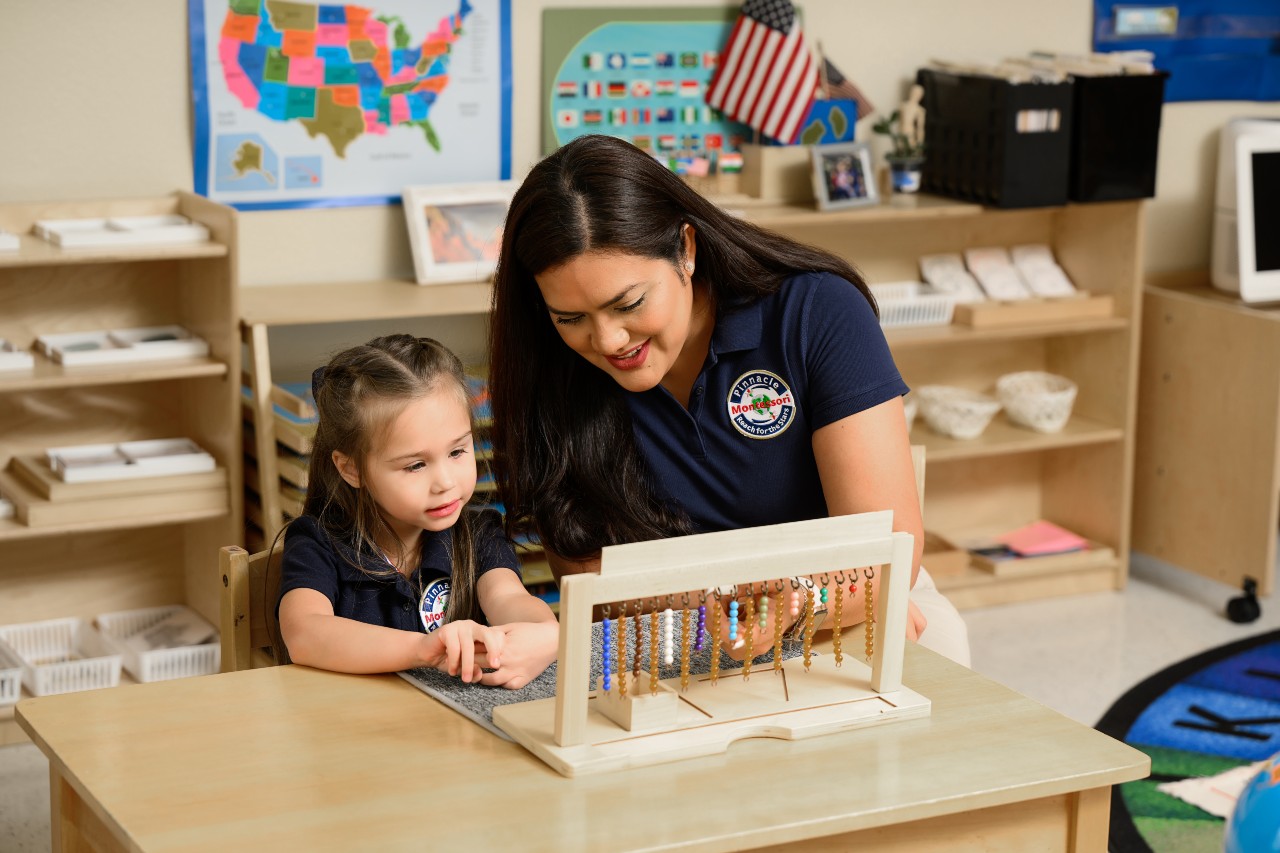
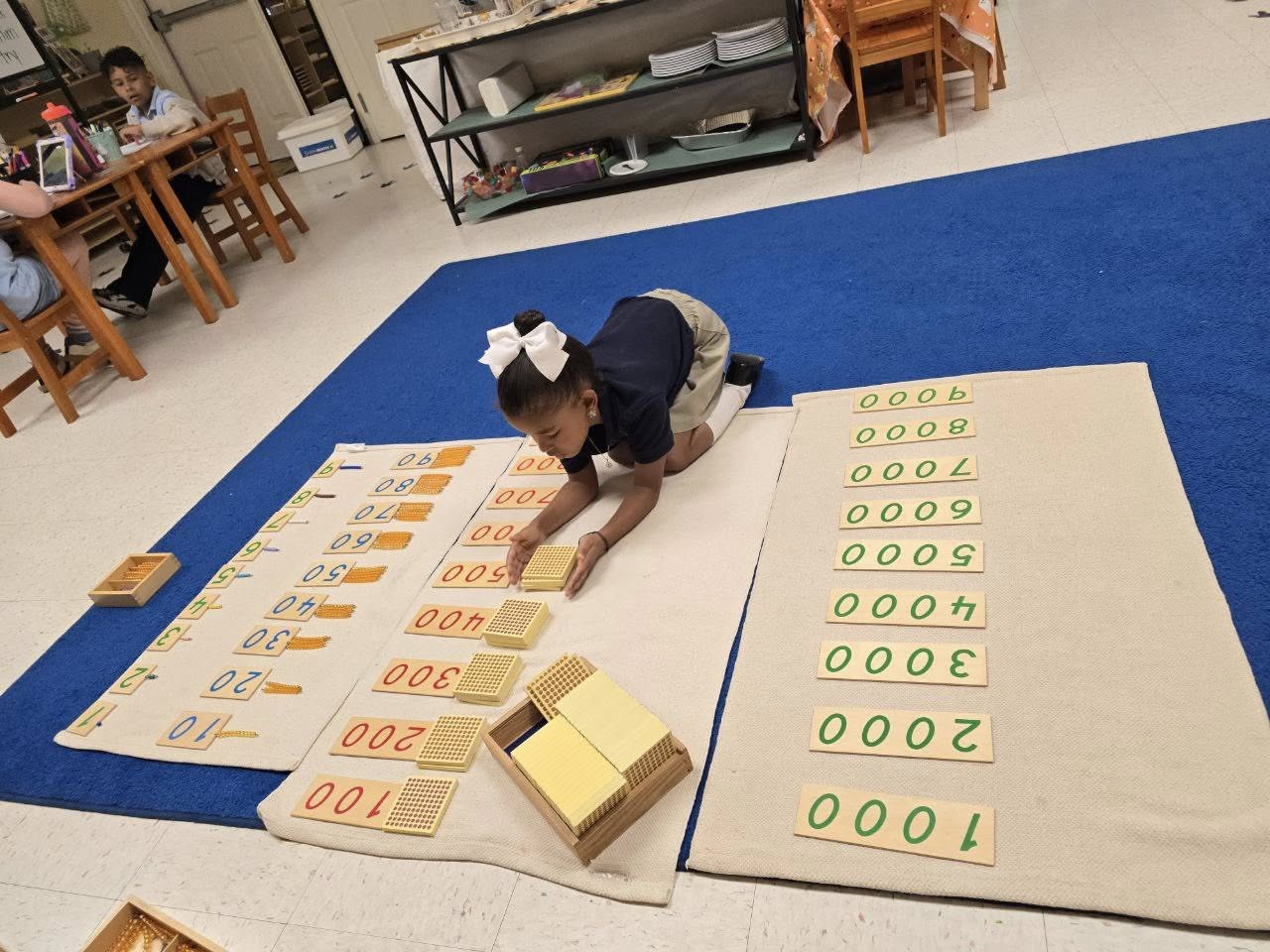
Items such as the Pink Tower, Number Rods, Sandpaper Letters, and Golden Beads were carefully designed to help children understand concepts through touch, movement, and exploration. Each material focuses on a specific skill or concept while allowing children to discover patterns independently.
These materials remain a key part of Montessori education today, and many have changed very little since their original design.
The success of Montessori’s educational methods attracted attention far beyond Italy. Educators, researchers, and parents from around the world traveled to observe her schools and learn about her approach.
Within a few decades, Montessori schools had opened across Europe, North America, Asia, and other parts of the world. Books about her methods were translated into numerous languages, helping her ideas reach a global audience.
Even today, Montessori schools operate in more than 100 countries, making it one of the most widely recognized educational philosophies in the world.
Most people associate Maria Montessori with education, but she was also a strong advocate for peace.
She believed that education could help create a more peaceful society by teaching children respect, cooperation, independence, and understanding from an early age. Throughout her later years, she spoke extensively about the connection between education and global peace.
Her contributions were widely recognized, and she was nominated for the Nobel Peace Prize several times during her lifetime.
Maria Montessori passed away in 1952, but her ideas remain remarkably relevant.
Modern educational discussions about child-centered learning, hands-on experiences, independence, and individualized instruction often reflect principles she introduced decades earlier. Many schools outside the Montessori system have also adopted elements of her philosophy.
Parents and educators continue to value her belief that children learn best when they are respected, encouraged, and given opportunities to explore the world around them.
Maria Montessori was a trailblazer whose influence extends far beyond the classroom. She challenged traditional ideas about education, trusted children’s natural desire to learn, and developed methods that continue to shape schools around the world.
What makes her story especially remarkable is that many of her ideas, once considered revolutionary, are now viewed as common-sense approaches to child development. Her work reminds us that when children are given the right environment and support, they are capable of far more than many adults imagine.
More than a century after opening her first classroom, Maria Montessori’s legacy continues to inspire educators, parents, and children across the globe.