Montessori School Near McKinney
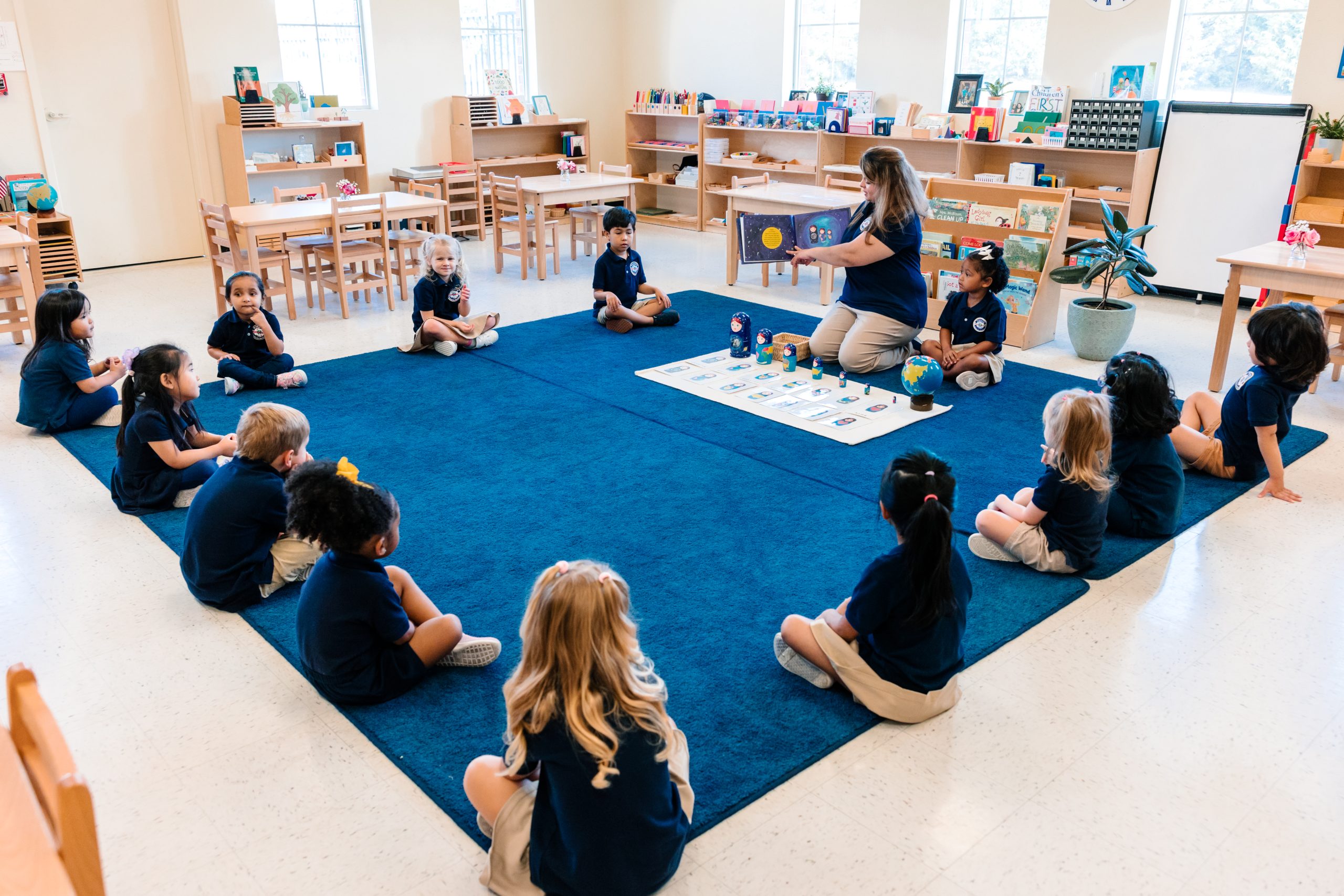
Montessori schools have built a strong reputation over the years. Walk into a Montessori classroom and you’ll probably see children choosing their own activities, working independently, and moving around freely instead of sitting in rows of desks.
For many families, it sounds like the perfect learning environment.
But does Montessori work for every child?
The short answer is no. And that’s not necessarily a criticism.
No educational approach works for every child. Kids learn differently, develop at different speeds, and respond to different environments in their own ways. Montessori can be incredibly effective for some children while feeling frustrating or limiting for others.
Traditional classrooms usually follow a teacher-led structure. The teacher decides what the class learns, when they learn it, and how lessons are delivered.
Montessori flips that model.
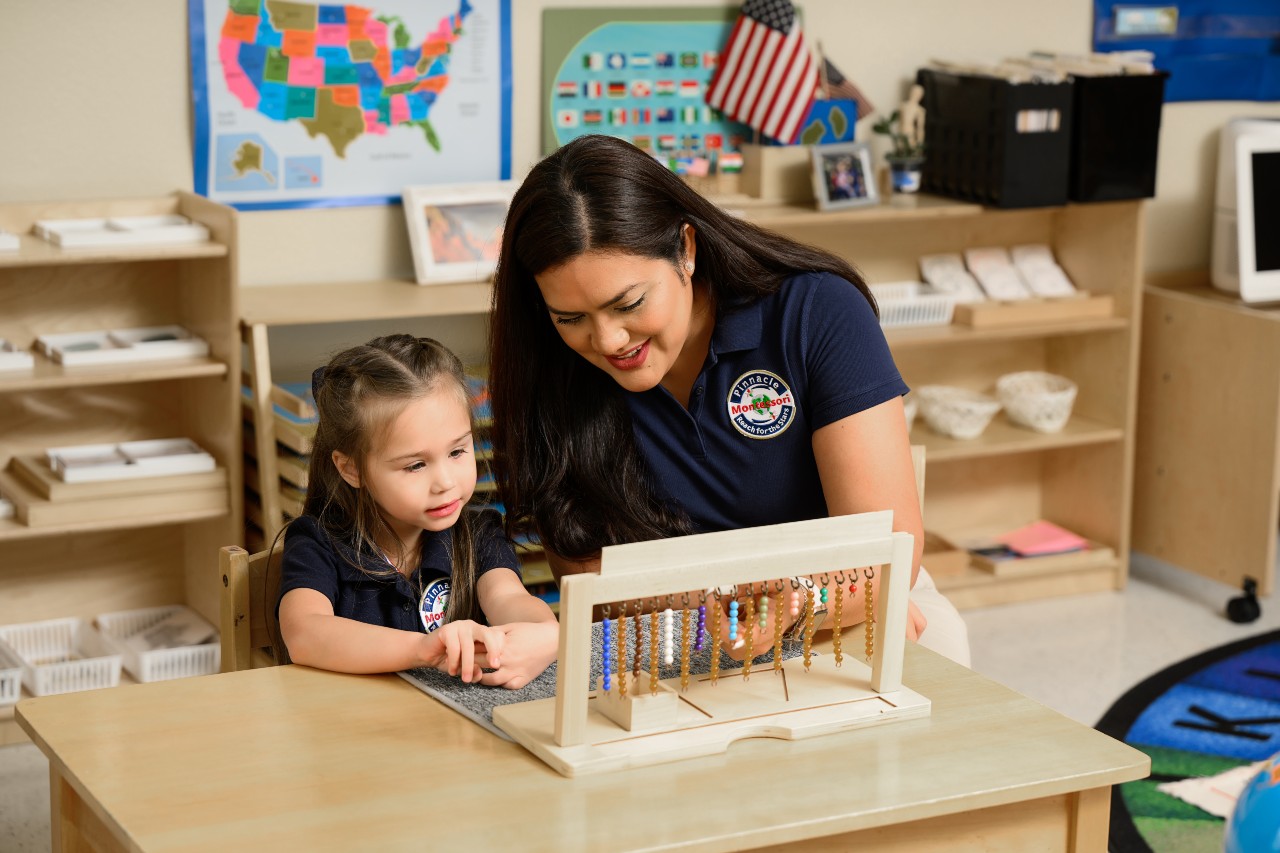
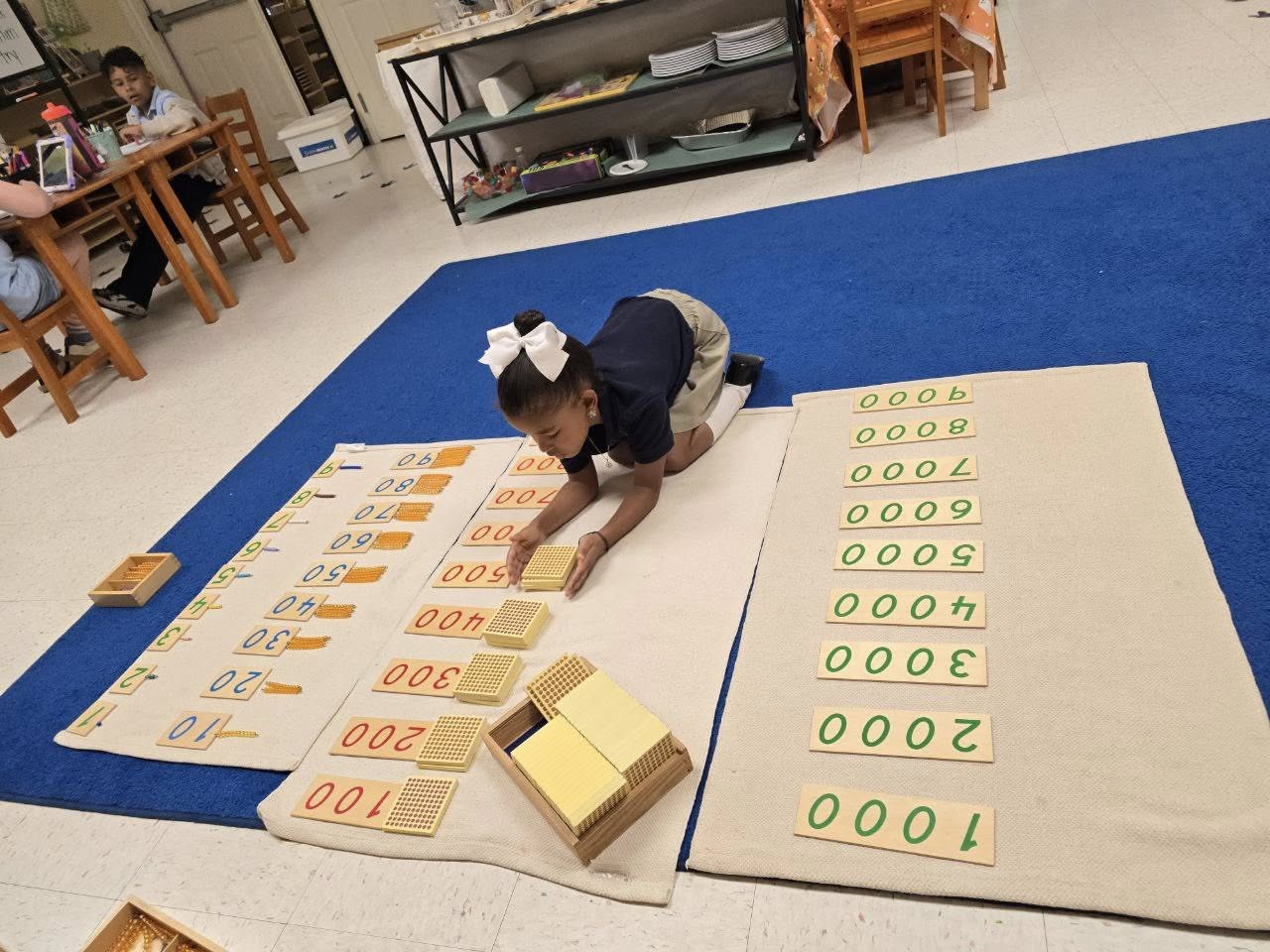
Children are encouraged to choose activities from a prepared environment. Teachers act more like guides than lecturers. Students often work independently or in small groups, exploring concepts through hands-on materials.
The goal isn’t simply memorizing information. It’s helping children develop curiosity, independence, and a love of learning.
For many kids, that’s a powerful combination.
Some children seem naturally suited to the Montessori approach.
Kids who enjoy exploring on their own often do well because they aren’t constantly waiting for instructions. If a child likes figuring things out independently, Montessori can feel exciting rather than overwhelming.
Many Montessori students also develop strong problem-solving skills. They’re given opportunities to make decisions, manage their time, and take responsibility for their work from an early age.
Children who are naturally curious may especially benefit. Instead of rushing from one subject to another on a fixed schedule, they can spend more time investigating topics that capture their interest.
You can often spot these students quickly. They light up when given freedom.
Not every child enjoys that level of independence.
Some children feel more comfortable with clear instructions and predictable routines. They like knowing exactly what comes next. A highly structured classroom can help them feel secure and confident.
For these students, the freedom found in some Montessori settings may create anxiety rather than motivation.
There are also children who learn best through direct teaching. They enjoy listening to explanations, asking questions, and participating in teacher-led discussions. If most learning happens through self-directed activities, they may struggle to stay engaged.
Personality matters too.
A child who thrives on competition, grades, or external rewards may find Montessori’s approach less motivating. Since many Montessori programs avoid traditional grading systems, some students miss the sense of achievement that comes from measurable benchmarks.
One thing many parents don’t realize is that not all Montessori schools operate the same way.
The term “Montessori” isn’t always regulated in the same way people assume. Two schools with the Montessori label can look surprisingly different.
One program may follow Montessori principles closely, with trained teachers and carefully prepared learning environments. Another may borrow only a few ideas while operating more like a traditional classroom.
That’s why visiting schools is so important.
Watch how teachers interact with students. Notice how children spend their time. Ask questions about curriculum, teacher training, and classroom expectations.
The answer you’re looking for isn’t whether Montessori works in general.
It’s whether that particular Montessori school works for your child.
Research on Montessori education has shown promising results in several areas, including academic performance, social development, and executive functioning skills such as self-control and organization.
Still, researchers consistently reach the same conclusion parents often discover on their own: individual differences matter.
A successful educational experience depends on the match between the child, the teacher, the school, and the learning environment.
No study can predict that perfectly.
Probably not.
Some children flourish when given independence and freedom to explore. Others need more structure, more direct instruction, or a different learning environment altogether.
That doesn’t mean one approach is better than the other.
The best school isn’t the one with the strongest marketing or the trendiest educational philosophy. It’s the one that helps a child feel confident, challenged, supported, and excited to learn.
Montessori can absolutely be that place.
For some children, it’s a perfect fit.
For others, another path may lead to better results.