Montessori Education for Toddlers: Setting the Foundation for Lifelong Learning
Watch a toddler for just a few minutes and you’ll quickly notice something remarkable. They want to do everything themselves.
They want to carry their own cup, put on their own shoes, open every drawer they can reach, and investigate every object in sight. What adults sometimes see as stubbornness is often something much more important: a powerful drive to learn.
The toddler years are a period of extraordinary growth. During this stage, children are building language skills, developing coordination, learning social behaviors, and making sense of the world around them. Their brains are absorbing information at an astonishing rate, which makes these early years one of the most influential periods in human development.
Montessori education recognizes this unique window of opportunity. Rather than treating toddlers as passive learners who need constant instruction, the Montessori approach sees them as capable individuals eager to explore, discover, and participate in everyday life. By nurturing this natural curiosity, Montessori education helps create a strong foundation for learning that can benefit children for years to come.
Understanding the Montessori Approach for Toddlers
Montessori education is built on the belief that children learn best through active engagement with their environment. For toddlers, this means opportunities to touch, explore, move, experiment, and learn through direct experience.
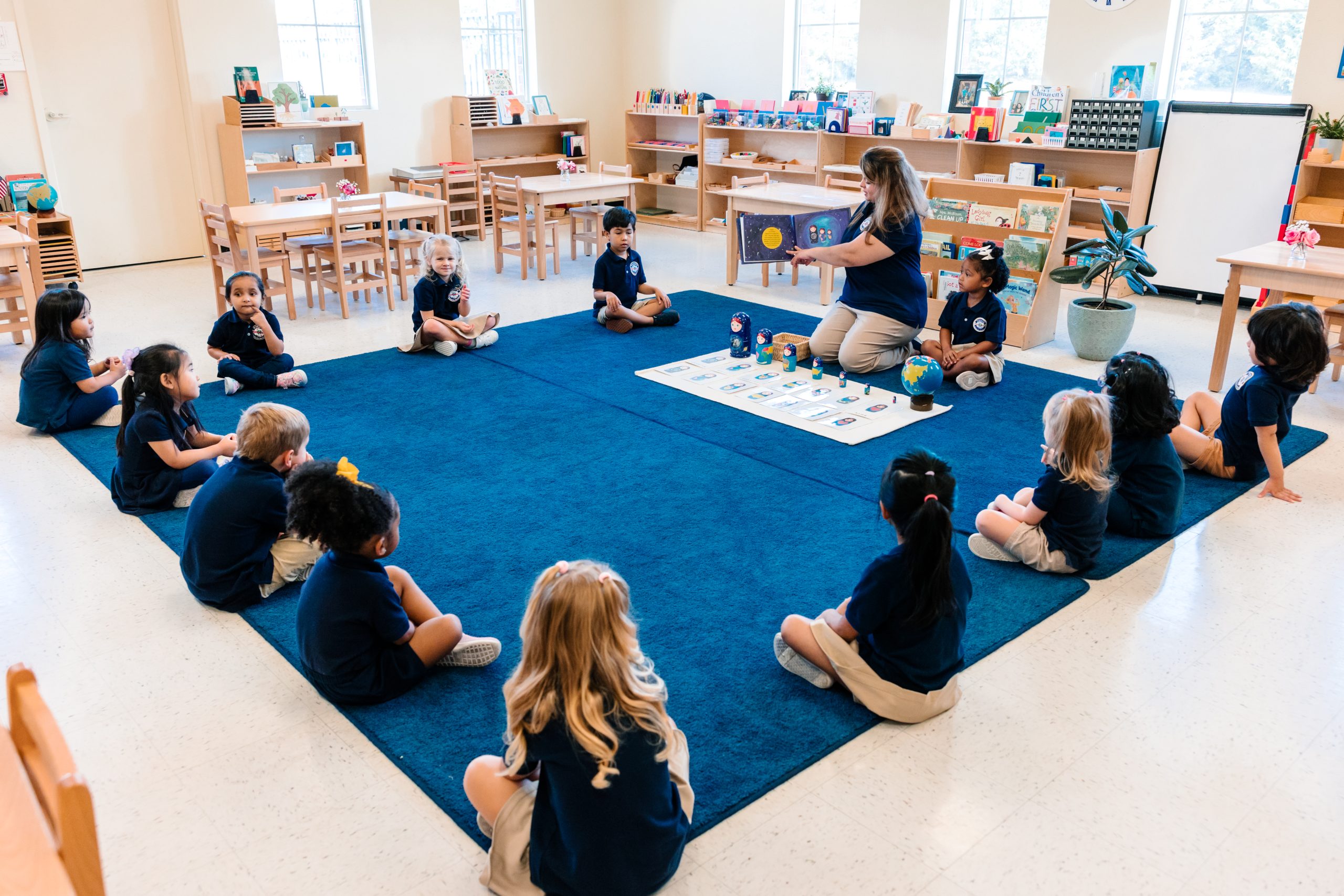
In a Montessori classroom, children are not expected to sit still for long periods listening to lessons. Instead, they interact with carefully prepared materials designed to match their developmental needs. Activities are arranged in ways that encourage independence while allowing children to progress at their own pace.
The environment itself plays an important role. Everything is designed with the child in mind, from low shelves and child-sized furniture to accessible learning materials. This setup allows toddlers to make choices, move confidently through the classroom, and develop a sense of ownership over their learning experiences.
Encouraging Independence From the Very Beginning
One of the first things parents often notice about Montessori education is its emphasis on independence.
Toddlers are naturally motivated to do things for themselves. While it may be quicker for an adult to zip a jacket or pour a drink, Montessori encourages children to participate in these tasks whenever possible. The goal is not perfection. The goal is practice.
Children learn how to wash their hands, clean up spills, put away materials, and complete simple tasks independently. These everyday activities may seem ordinary, but they help children develop confidence, coordination, and self-reliance.
When a toddler successfully completes a task on their own, they experience something powerful. They begin to believe in their own abilities. That confidence often becomes the foundation for future learning and problem-solving.
Learning Through Hands-On Exploration
Toddlers learn with their entire bodies. They need to touch objects, move materials, and actively engage with their surroundings to make sense of new concepts.
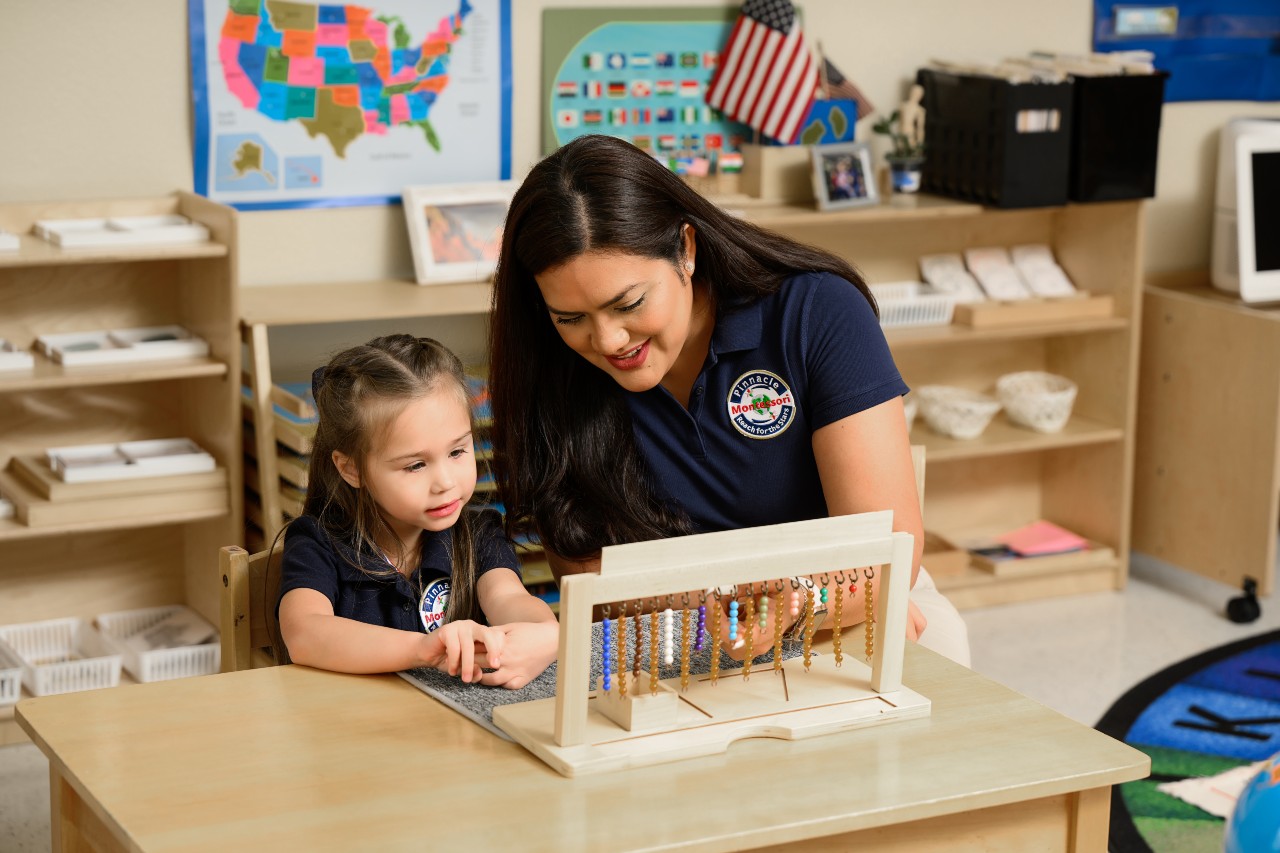
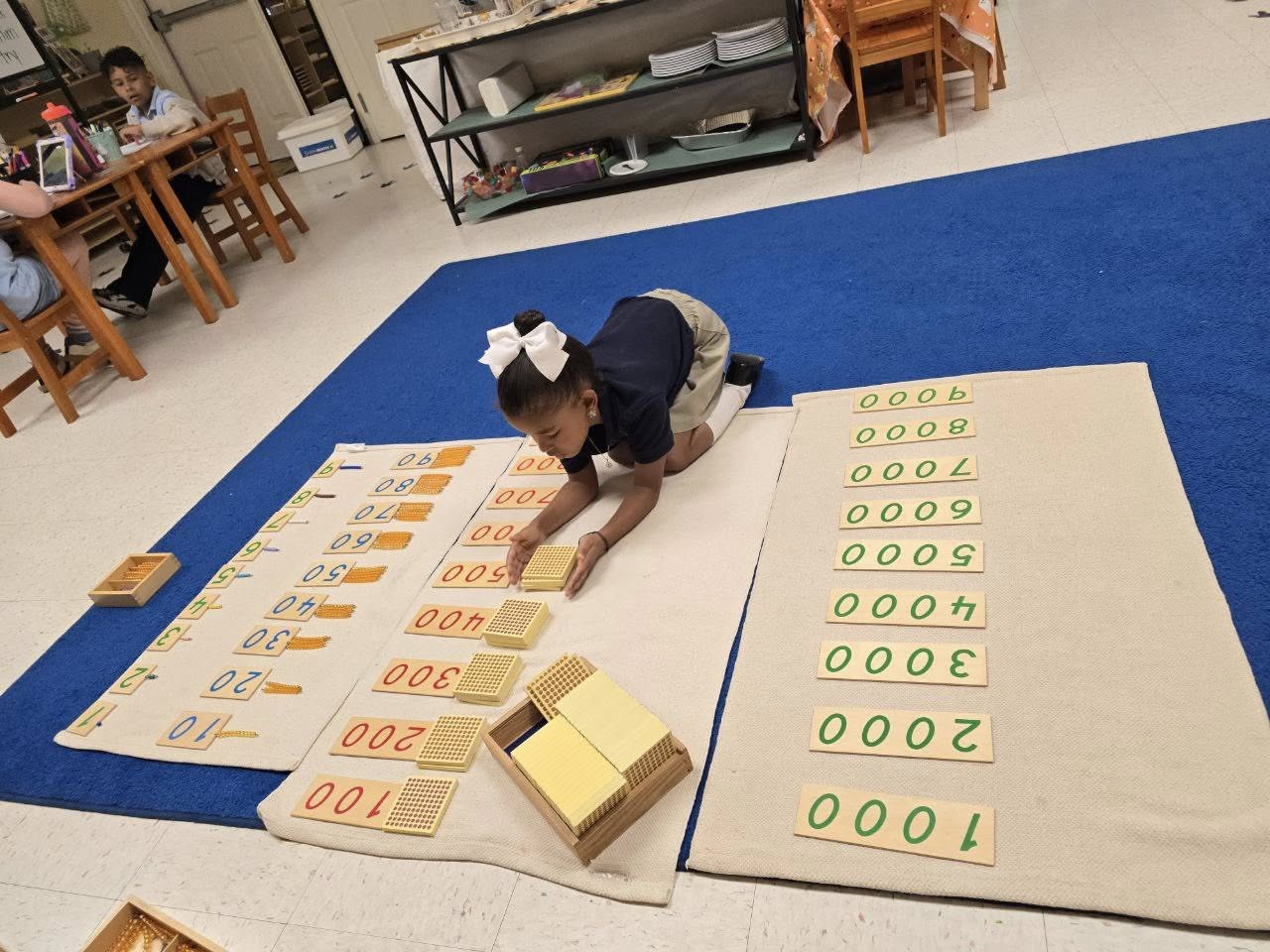
Montessori classrooms are filled with activities that support this type of learning. Children sort objects, transfer items between containers, match shapes, explore textures, and participate in practical life exercises. These experiences strengthen both fine motor and cognitive skills while encouraging concentration and curiosity.
Unlike passive forms of learning, hands-on exploration keeps children actively involved in the process. They aren’t simply watching or listening. They are discovering concepts through experience, which often leads to deeper understanding and longer-lasting learning.
Developing Concentration and Focus
Many people assume toddlers have short attention spans, but Montessori educators often see something different.
When children are given meaningful activities that match their interests and abilities, they can become deeply focused. A toddler may spend several minutes carefully transferring objects with a spoon, fitting puzzle pieces together, or arranging materials on a tray.
These moments of concentration are important. They help children develop patience, persistence, and the ability to stay engaged with a task. Rather than constantly directing children from one activity to another, Montessori environments allow them the time and space to work through challenges independently.
Over time, these experiences help strengthen a skill that will benefit children throughout their educational journey.
Supporting Social and Emotional Growth
Learning isn’t only about academics. Toddlers are also learning how to interact with others, express emotions, and navigate social situations.
Montessori classrooms provide opportunities for children to practice these skills in a respectful and supportive environment. They learn how to wait their turn, communicate needs, share spaces, and work alongside other children.
Teachers model respectful interactions and guide children through conflicts when they arise. Instead of immediately solving every disagreement, they help children develop the skills needed to resolve problems and understand the perspectives of others.
These early social experiences contribute to emotional intelligence, empathy, and self-awareness, qualities that are just as important as academic achievement.
Fostering a Love of Learning
Perhaps the greatest advantage of Montessori education is that it protects and nurtures a child’s natural curiosity.
Young children are born eager to learn. They ask questions, experiment constantly, and approach the world with a sense of wonder. Montessori classrooms are designed to preserve that enthusiasm rather than replace it with pressure or competition.
Children are encouraged to follow their interests, make discoveries, and take ownership of their learning. Because they are actively involved in the process, learning feels enjoyable rather than forced.
This positive relationship with learning can have lasting effects. Children who enjoy learning are often more willing to explore new ideas, tackle challenges, and remain curious throughout their lives.
Preparing Toddlers for More Than School
Many parents initially choose Montessori education because they want their children to be prepared for kindergarten or elementary school. While Montessori certainly supports academic readiness, its goals reach much further.
The skills toddlers develop through Montessori education include independence, confidence, responsibility, problem-solving, communication, and adaptability. These qualities influence how children approach challenges both inside and outside the classroom.
A child who learns how to think independently, manage responsibilities, and explore new ideas develops tools that remain valuable long after specific academic lessons have been forgotten.
Final Thoughts
The toddler years represent an incredible opportunity for growth and discovery. During this stage, children are building habits, skills, and attitudes that can influence how they learn for years to come.
Montessori education embraces this important period by providing an environment that encourages independence, exploration, concentration, and curiosity. Rather than rushing children through academic milestones, it focuses on developing the whole child and nurturing a genuine love of learning.
When toddlers are given the freedom to explore, the support to grow, and the confidence to try things for themselves, they begin building more than knowledge. They begin building the foundation for a lifetime of learning.