Montessori School Near McKinney
Every child is born with unique abilities. Some are natural problem-solvers, while others excel at communication, creativity, observation, or leadership. One of the biggest challenges in education is creating an environment where these abilities can emerge and grow naturally.
This is where Montessori education takes a different approach.
Rather than expecting every child to learn the same thing at the same pace, Montessori schools focus on helping children develop their individual strengths while building a broad range of life skills. The goal isn’t simply academic success. It’s helping children become confident, capable, and well-rounded individuals who are prepared to navigate the world around them.
By encouraging independence, curiosity, and hands-on learning, Montessori schools nurture abilities that often extend far beyond the classroom.
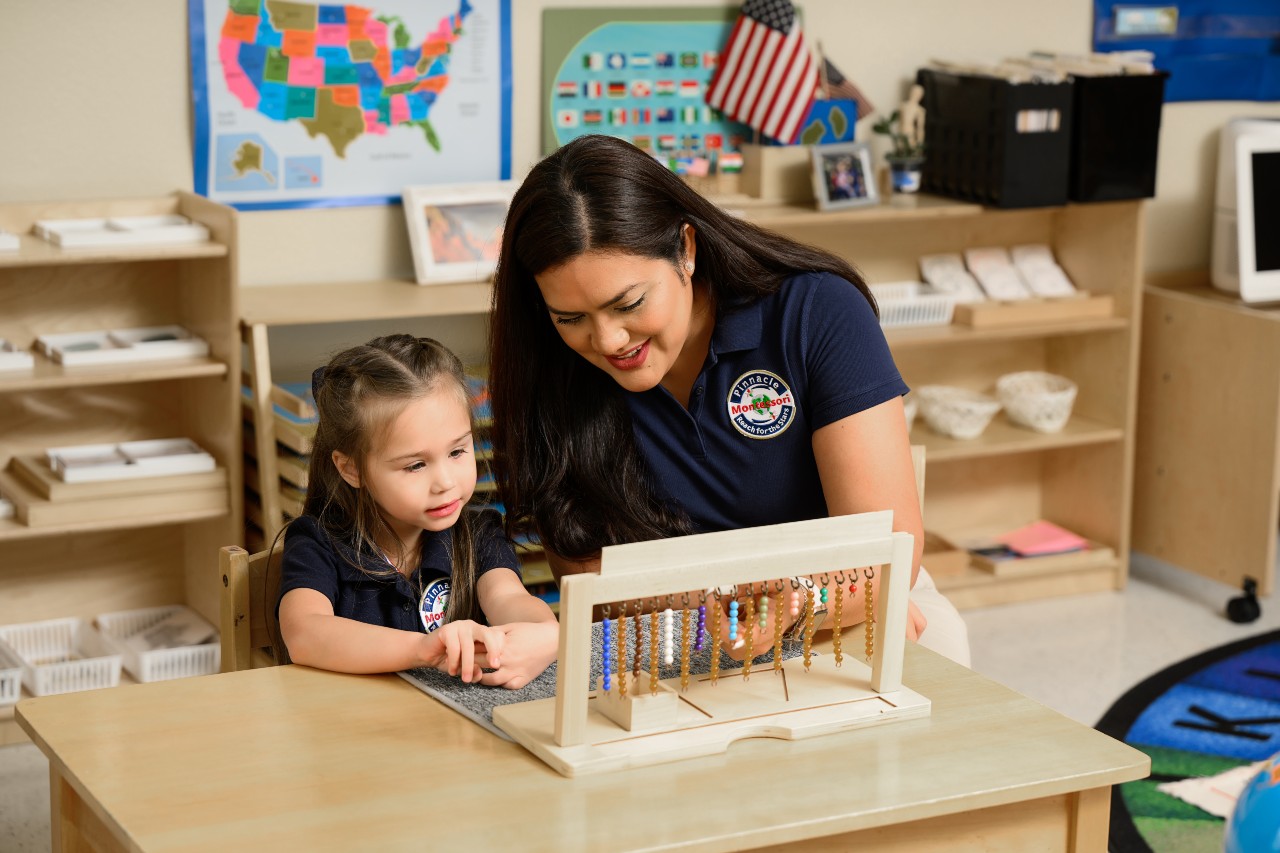
One of the most recognized abilities developed in Montessori education is independence. From an early age, children are encouraged to make choices, complete tasks on their own, and take responsibility for their environment.
Whether they are selecting learning materials, preparing a snack, organizing their workspace, or solving a problem, children are given opportunities to do things for themselves. These daily experiences help them develop confidence in their abilities and reduce dependence on constant adult direction.
Over time, children begin to trust their own judgment and approach new challenges with greater self-assurance. This confidence often becomes a foundation for future learning and personal growth.
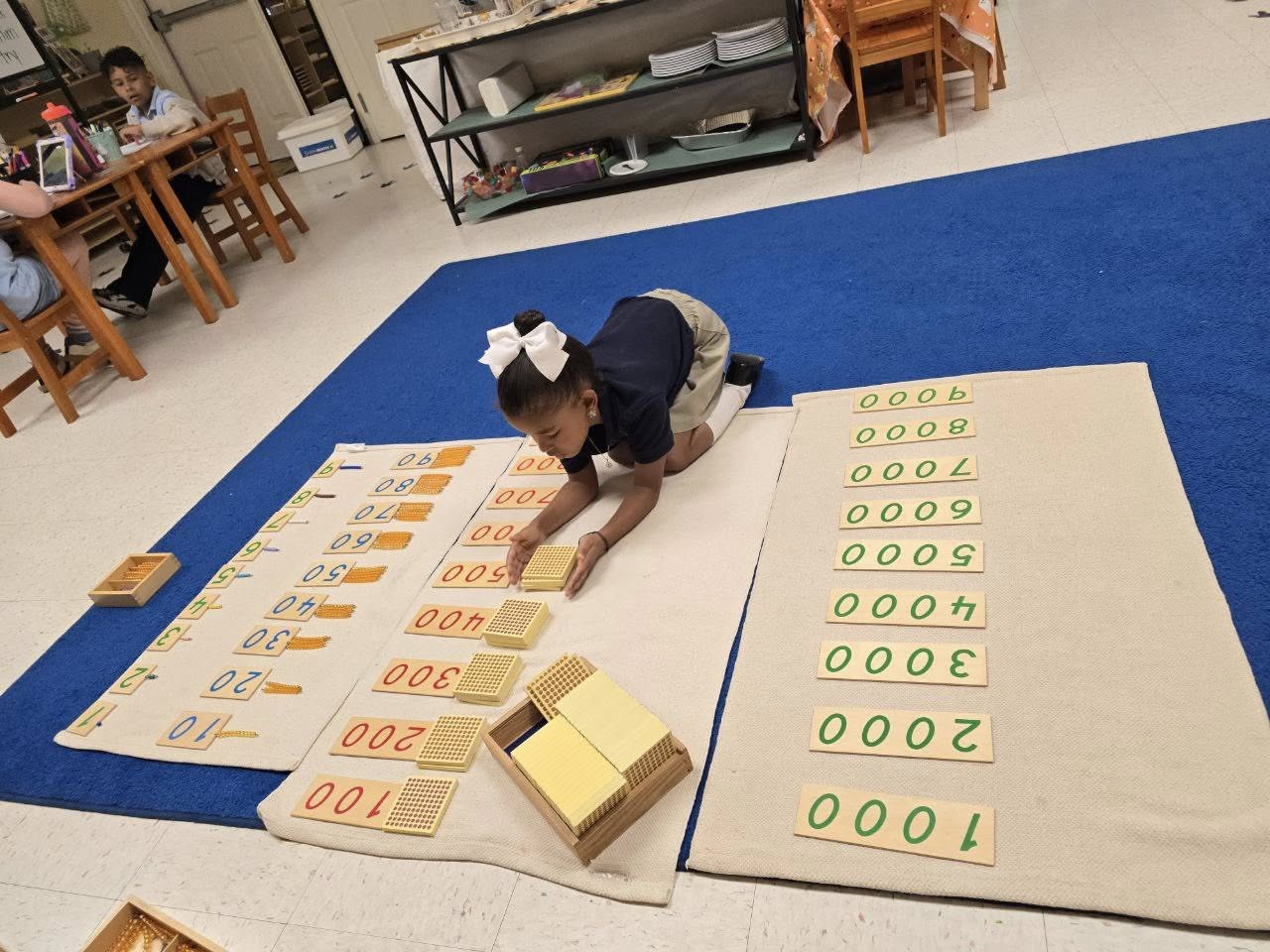
Montessori classrooms are designed to encourage exploration rather than simply providing answers. Instead of being told exactly how to complete every task, children are often given opportunities to experiment, make observations, and discover solutions independently.
This process strengthens critical thinking and problem-solving abilities. Children learn how to approach challenges, evaluate different possibilities, and adjust their strategies when something doesn’t work as expected.
These experiences teach an important lesson: mistakes are not failures. They are opportunities to learn and improve. Developing this mindset can help children become more resilient and adaptable throughout their lives.
In a world filled with distractions, the ability to focus has become increasingly valuable.
Montessori education places a strong emphasis on uninterrupted work periods, allowing children to fully engage with activities that capture their interest. Rather than constantly switching between tasks, students are encouraged to work at their own pace and spend meaningful time exploring concepts.
As children practice sustained attention, they gradually develop stronger concentration skills. This ability supports academic success while also helping children become more patient, thoughtful, and persistent learners.
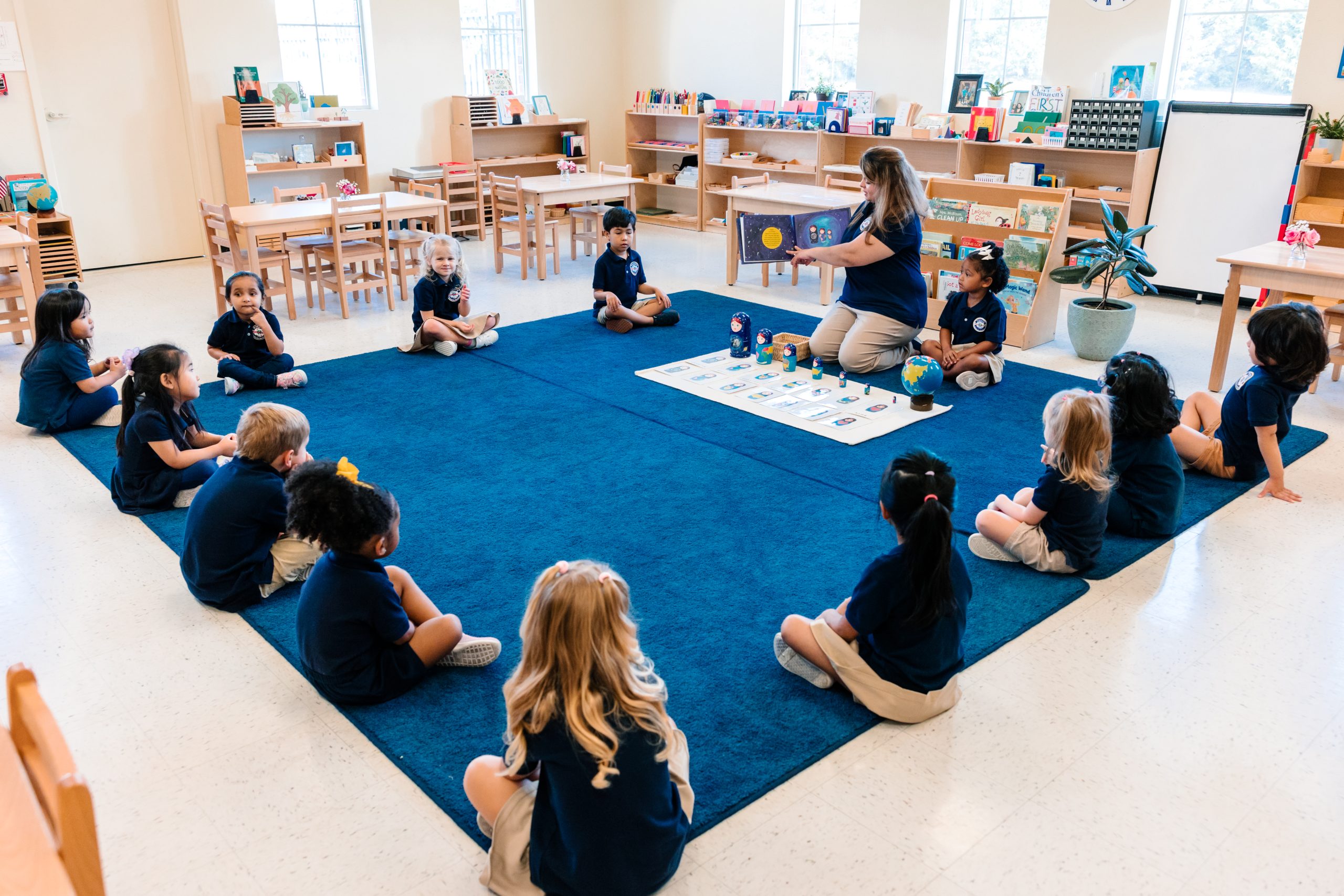
Strong communication skills are essential for building relationships, expressing ideas, and working with others. Montessori classrooms provide numerous opportunities for children to develop these abilities through daily interactions and collaborative learning experiences.
Children learn how to listen respectfully, share ideas, ask questions, and resolve disagreements constructively. Mixed-age classrooms often create additional opportunities for communication, as older students mentor younger peers and younger children learn through observation and interaction.
These experiences help children become more confident communicators while fostering empathy and respect for others.
Creativity is about more than art projects and drawing pictures. It involves curiosity, innovation, and the ability to think in new ways.
Montessori environments encourage creativity by allowing children to explore materials, investigate ideas, and follow their interests. Rather than focusing solely on predetermined outcomes, the approach values the learning process itself.
Children are encouraged to ask questions, experiment, and approach challenges from different perspectives. This freedom supports creative thinking and helps children develop confidence in their own ideas.
Academic knowledge is important, but success in life also depends on understanding emotions, building relationships, and working effectively with others.
Montessori schools place significant value on social and emotional development. Children learn how to cooperate, show respect, manage conflicts, and contribute positively to their community.
Grace and courtesy lessons, collaborative activities, and daily interactions help students develop empathy and emotional awareness. These abilities support healthy friendships, effective teamwork, and positive social experiences throughout life.
Leadership in Montessori education often develops naturally rather than through formal instruction.
Older children frequently assist younger classmates, demonstrate activities, and serve as role models within the classroom. These opportunities help students develop responsibility, patience, and confidence in guiding others.
At the same time, younger children observe these behaviors and gradually prepare to take on similar roles as they grow. This cycle creates a strong sense of community while helping children develop leadership abilities that can benefit them in future academic, professional, and personal settings.
Perhaps one of the most valuable abilities Montessori schools nurture is the ability to learn independently.
Rather than relying solely on external rewards or constant direction, children are encouraged to develop curiosity and intrinsic motivation. They learn how to seek information, ask meaningful questions, and explore topics that interest them.
This approach helps students view learning as an enjoyable and ongoing process rather than something limited to school assignments or examinations.
A child who enjoys learning often continues to grow long after formal lessons have ended.
Montessori schools nurture far more than academic skills. Through independence, hands-on learning, problem-solving, communication, creativity, and social development, children build abilities that support success in many areas of life.
Every child possesses unique potential. Montessori education seeks to create an environment where that potential can emerge naturally, allowing children to develop confidence in themselves and their capabilities. By focusing on the whole child rather than academic achievement alone, Montessori schools help prepare students not only for future education but also for the challenges and opportunities they will encounter throughout life.