Montessori School Near McKinney
Choosing a school is one of the most important decisions parents make during their child’s early years. Beyond academics, families are looking for an environment where their children can develop confidence, independence, curiosity, and a genuine love of learning. As a result, reputation often becomes a major factor when evaluating educational options.
Among Montessori schools in Texas, Pinnacle Montessori has earned recognition from many families seeking a child-centered approach to education. Its reputation is built not only on academic preparation but also on its commitment to fostering independence, character development, and lifelong learning skills.
While every family’s experience is unique, several factors contribute to why many parents consider Pinnacle Montessori a standout educational choice.
A school’s reputation often begins with the consistency of its educational philosophy. Families interested in Montessori education typically want more than a traditional classroom with a few hands-on activities. They are looking for an environment that genuinely reflects Montessori principles.
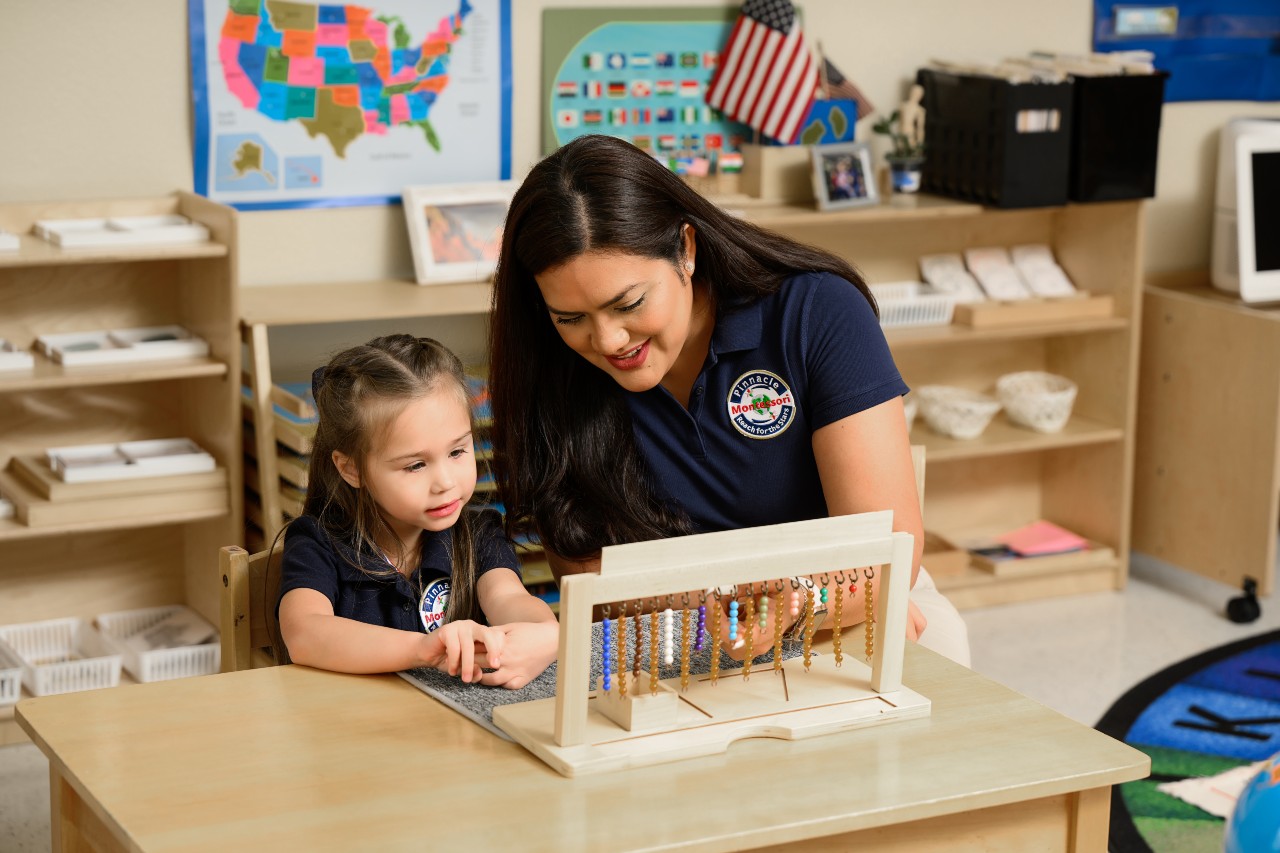
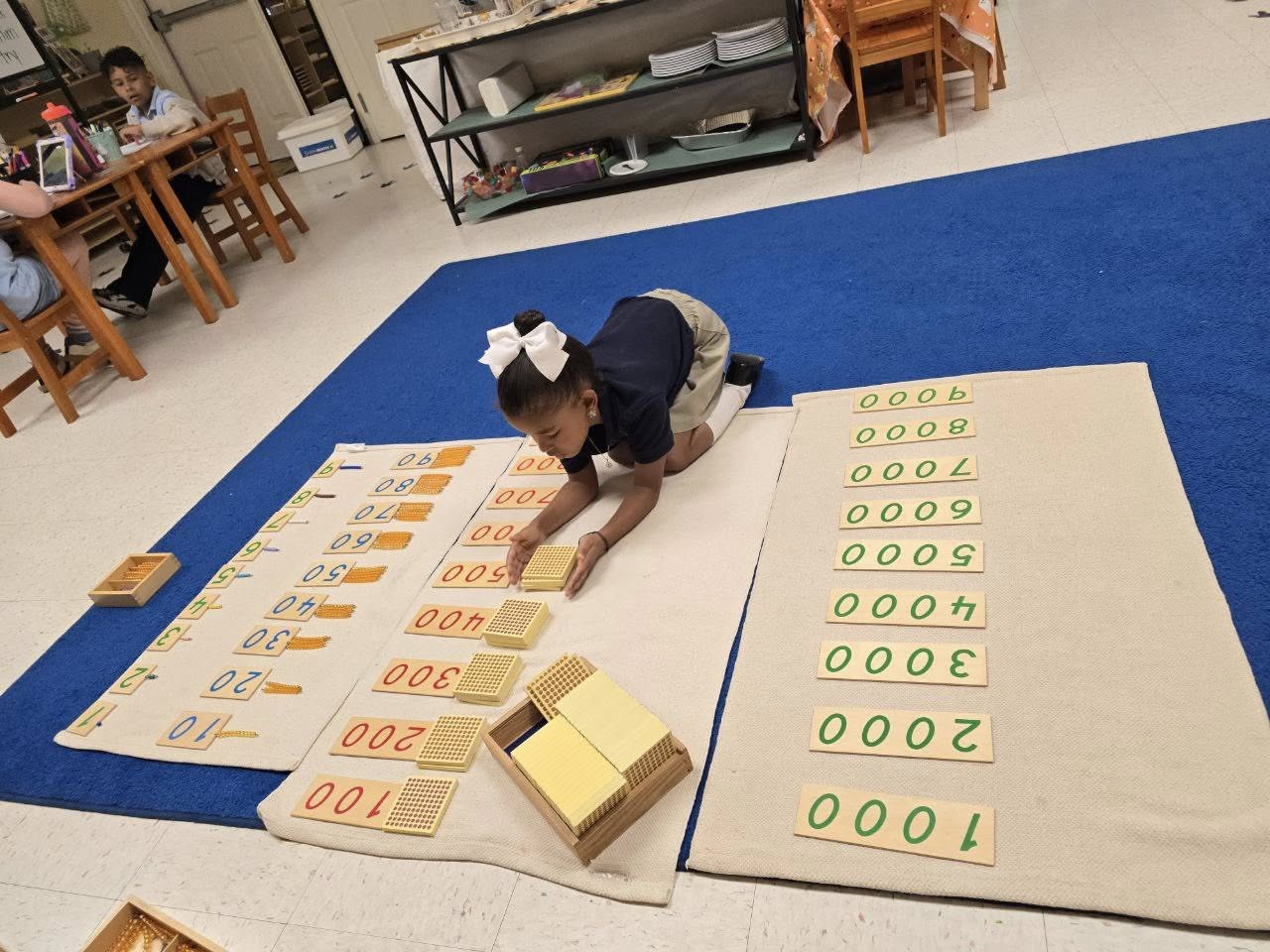
Pinnacle Montessori is known for emphasizing child-led learning, independence, and hands-on exploration. Rather than expecting every child to learn in exactly the same way, the Montessori approach encourages students to progress at a pace that matches their developmental needs and interests.
This focus on individualized learning can help children build confidence while developing a deeper understanding of academic concepts.
One reason many families are drawn to Montessori education is its emphasis on educating the whole child. Academic growth remains important, but equal attention is often given to social, emotional, and practical development.
Parents frequently value learning environments where children are encouraged to think independently, solve problems, communicate effectively, and take responsibility for their actions. These skills are difficult to measure through test scores alone, yet they play an important role in long-term success.
Schools that consistently nurture these qualities often earn strong reputations within their communities because families see the benefits extending beyond the classroom.
Independence is one of the defining characteristics of Montessori education. In Montessori classrooms, children are encouraged to make choices, manage responsibilities, and participate actively in their own learning process.
This approach helps students develop confidence in their abilities while learning important life skills. Whether organizing their workspace, selecting learning activities, or working through challenges independently, children gradually become more self-reliant.
Many parents appreciate seeing their children become more responsible and capable over time, which often contributes to positive word-of-mouth recommendations and a strong school reputation.
A school’s reputation is influenced not only by what happens in the classroom but also by how effectively it communicates with families.
Parents often seek schools that view education as a partnership. Open communication, transparency, and opportunities for family involvement help build trust between educators and parents.
When families feel informed and supported, they are more likely to develop confidence in the school’s mission and educational approach. Strong relationships between schools and families frequently contribute to long-term satisfaction and positive community feedback.
Many parents evaluate schools based on one simple question: Will this environment prepare my child for the future?
Montessori education seeks to answer that question by focusing on skills that remain valuable throughout life. Critical thinking, adaptability, collaboration, creativity, and self-motivation are increasingly important in a rapidly changing world.
Rather than concentrating exclusively on memorization or standardized outcomes, Montessori programs often emphasize developing independent learners who can navigate new challenges with confidence. Schools that successfully cultivate these abilities are often viewed favorably by families seeking a well-rounded education.
A school’s reputation is shaped over time through the experiences of students, parents, teachers, and graduates. Positive reviews, family referrals, and long-standing community relationships can all contribute to how a school is perceived.
For many parents researching educational options, firsthand experiences often carry more weight than promotional materials. Conversations with current families, school visits, and classroom observations provide valuable insights into whether a school’s culture aligns with a family’s values and expectations.
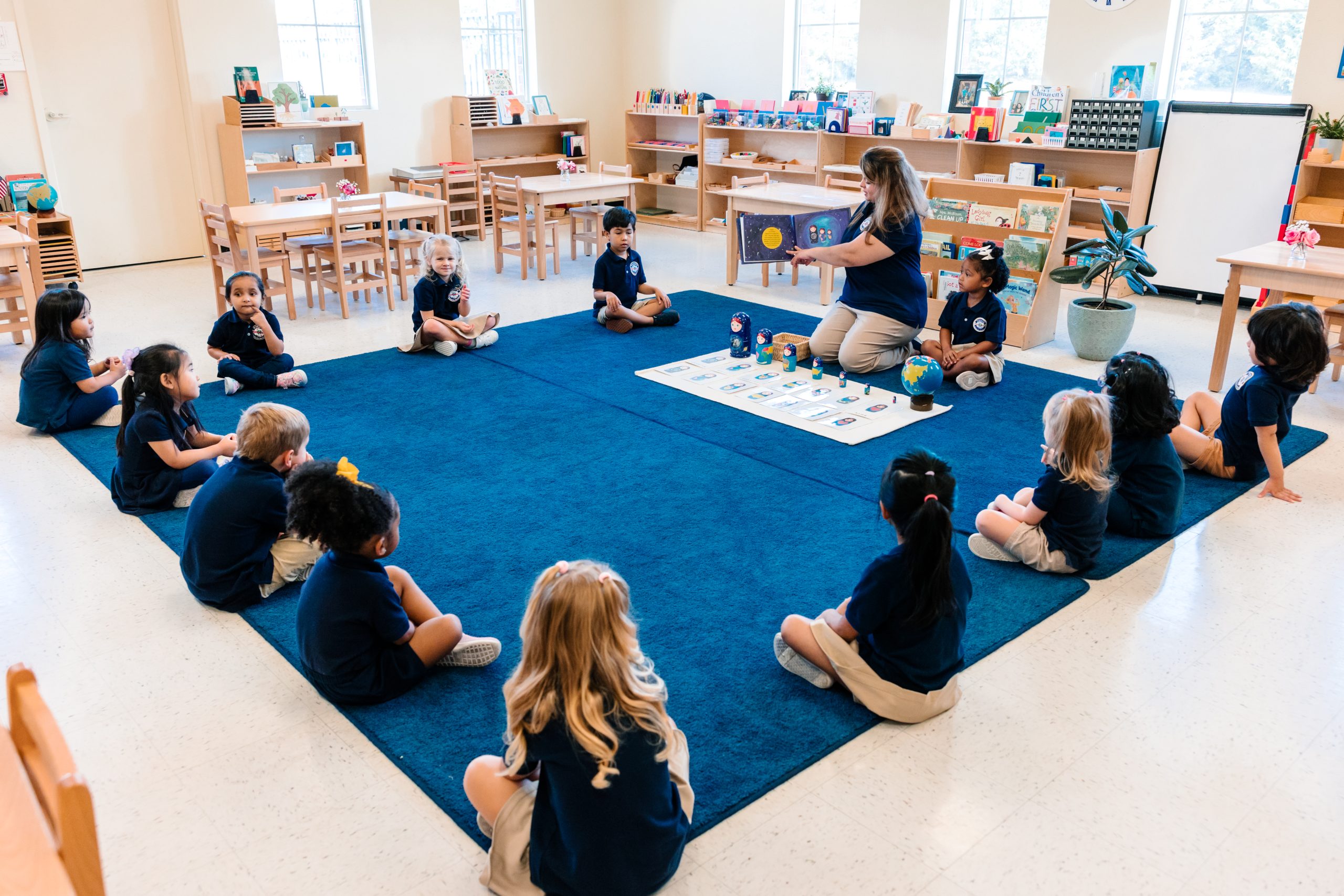
This is particularly true when evaluating Montessori programs, where the classroom experience can differ significantly from traditional educational settings.
While reputation is an important factor, the best school is ultimately the one that meets the unique needs of your child.
Every child learns differently. Some thrive in highly independent environments, while others may benefit from different educational approaches. Visiting schools, speaking with educators, and observing classrooms can help parents determine whether a particular program is the right fit.
A strong reputation can serve as a helpful starting point, but personal experience often provides the clearest picture of what a school truly offers.
The reputation of Pinnacle Montessori reflects qualities that many families value in early childhood education: a commitment to Montessori principles, a focus on independence, support for the whole child, and preparation for lifelong learning.
While every family’s educational journey is unique, schools that consistently foster confidence, curiosity, responsibility, and academic growth often earn lasting respect within their communities. For parents exploring Montessori education in Texas, taking the time to understand a school’s philosophy, culture, and classroom environment can help ensure that the choice aligns with their child’s needs and future goals.