
Montessori School Near McKinney
Screens have become a normal part of childhood. From educational apps and streaming platforms to interactive games and online learning tools, technology is woven into many aspects of a child’s daily life. While digital devices offer convenience and entertainment, they have also sparked an important question among parents and educators: how much screen time is actually beneficial for young children?
Montessori education takes a distinctive approach to this question. Rather than embracing technology at every opportunity, Montessori classrooms often limit screen use, especially during the early years. This isn’t because Montessori schools are anti-technology. Instead, they recognize that young children learn best through direct experiences, hands-on exploration, and meaningful interactions with the world around them.
The Montessori philosophy is built on a simple idea: when children spend less time in front of screens, they have more time to develop the skills that matter most during early childhood.
Maria Montessori developed her educational approach long before smartphones, tablets, and streaming services existed. Yet many of her observations about child development remain surprisingly relevant today.
Montessori believed that children learn through movement, sensory experiences, and active engagement with their environment. Young children are naturally driven to touch, explore, manipulate objects, and interact with people. These real-world experiences help build neural connections that support cognitive, emotional, and physical development.
Screens, no matter how educational they claim to be, cannot fully replicate these experiences. Watching a video about planting flowers is very different from digging in soil, feeling the texture of the dirt, planting seeds, and watching them grow over time. Montessori education places greater value on the second experience because it engages multiple senses and encourages active participation.
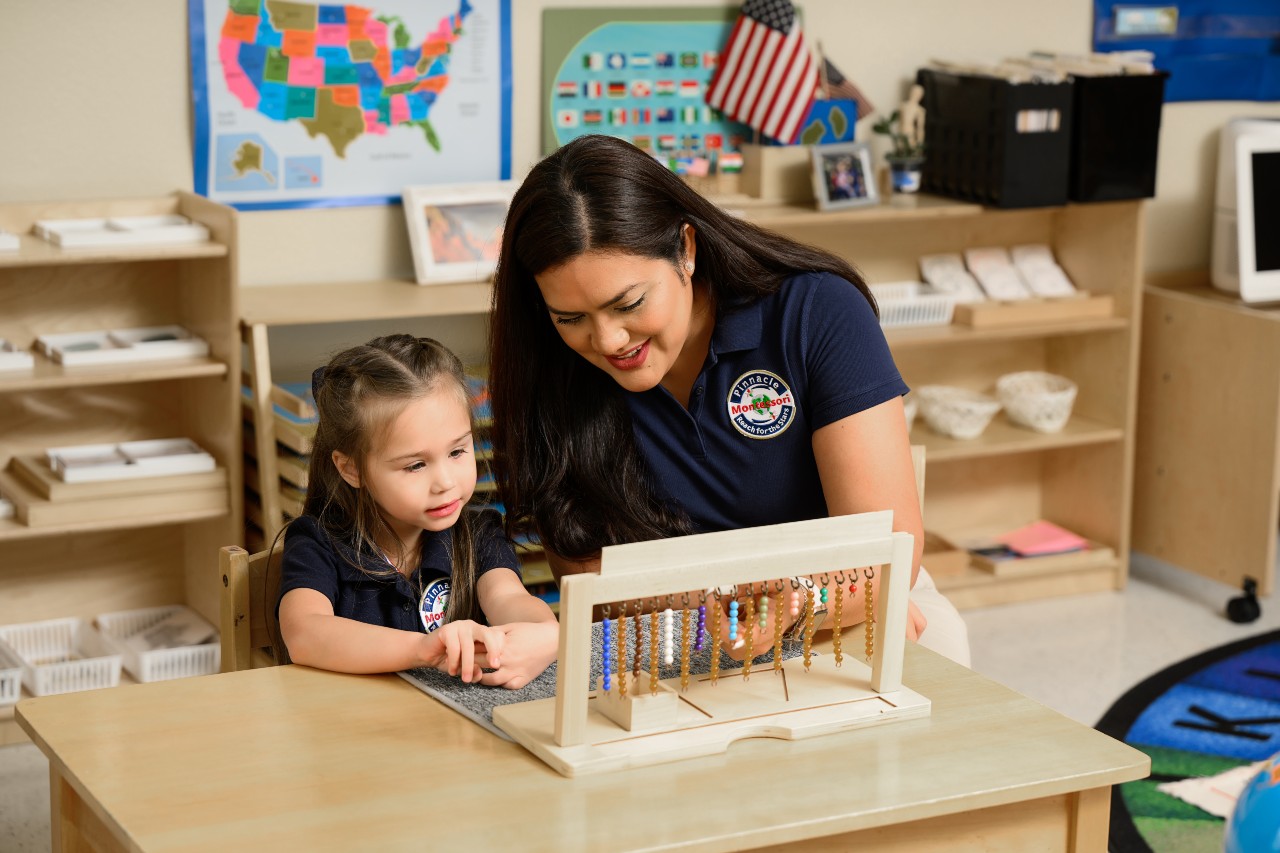
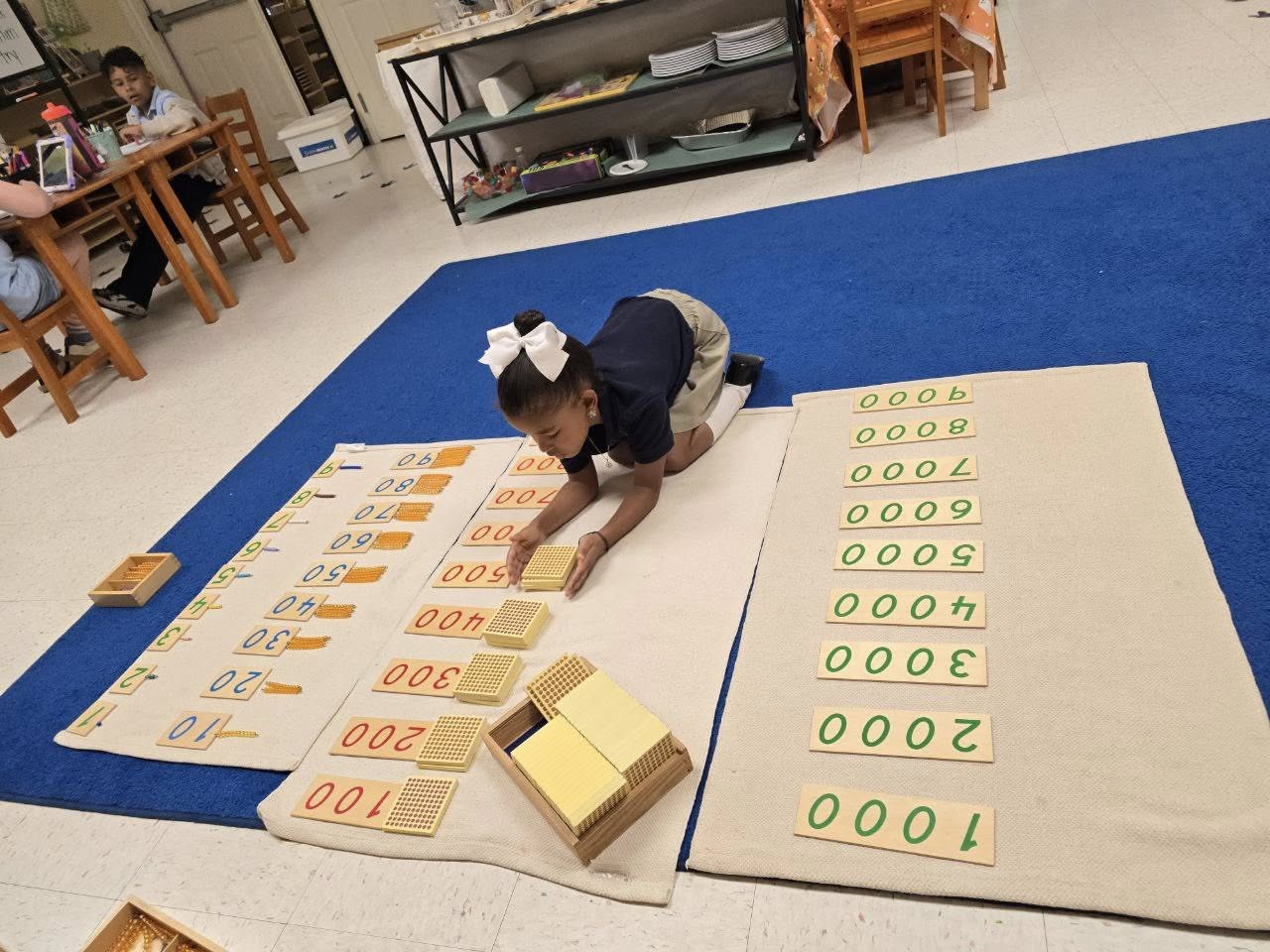
One of the hallmarks of Montessori education is its emphasis on hands-on learning. Children use specially designed materials to explore concepts in mathematics, language, science, and practical life skills. Rather than passively receiving information, they learn by doing.
Consider a child learning about numbers. In a Montessori classroom, they might count beads, arrange number rods, or physically group objects to understand quantities. These activities require movement, concentration, and interaction with concrete materials.
When children work with their hands, they engage more areas of the brain than they would by simply watching information on a screen. This active involvement often leads to deeper understanding and better retention. It also makes learning feel more meaningful because children are discovering concepts through experience rather than observation alone.
The concern isn’t necessarily that screens are harmful in small amounts. The bigger issue is what children may miss when screens occupy a large portion of their day.
Every hour spent watching videos or playing on a tablet is an hour not spent building with blocks, creating artwork, reading books, playing outdoors, or engaging in conversations with family members. These activities help children develop creativity, communication skills, problem-solving abilities, and emotional intelligence.
Montessori educators often focus on what children gain when screens are reduced rather than what they lose. With fewer digital distractions, children have more opportunities to explore their interests, practice independence, and interact with the real world.
Many parents notice that digital content is designed to capture attention quickly. Fast-paced videos, bright colors, and constant stimulation can make it difficult for children to engage with slower, more thoughtful activities.
Montessori classrooms take the opposite approach. Children are encouraged to spend extended periods working on a single task without interruption. A child may spend twenty or thirty minutes carefully arranging materials, completing a puzzle, or practicing a practical life activity.
These uninterrupted work periods help develop concentration, patience, and persistence. Over time, children learn how to focus deeply on a task without needing constant entertainment or stimulation. This ability can benefit them throughout their academic journey and beyond.
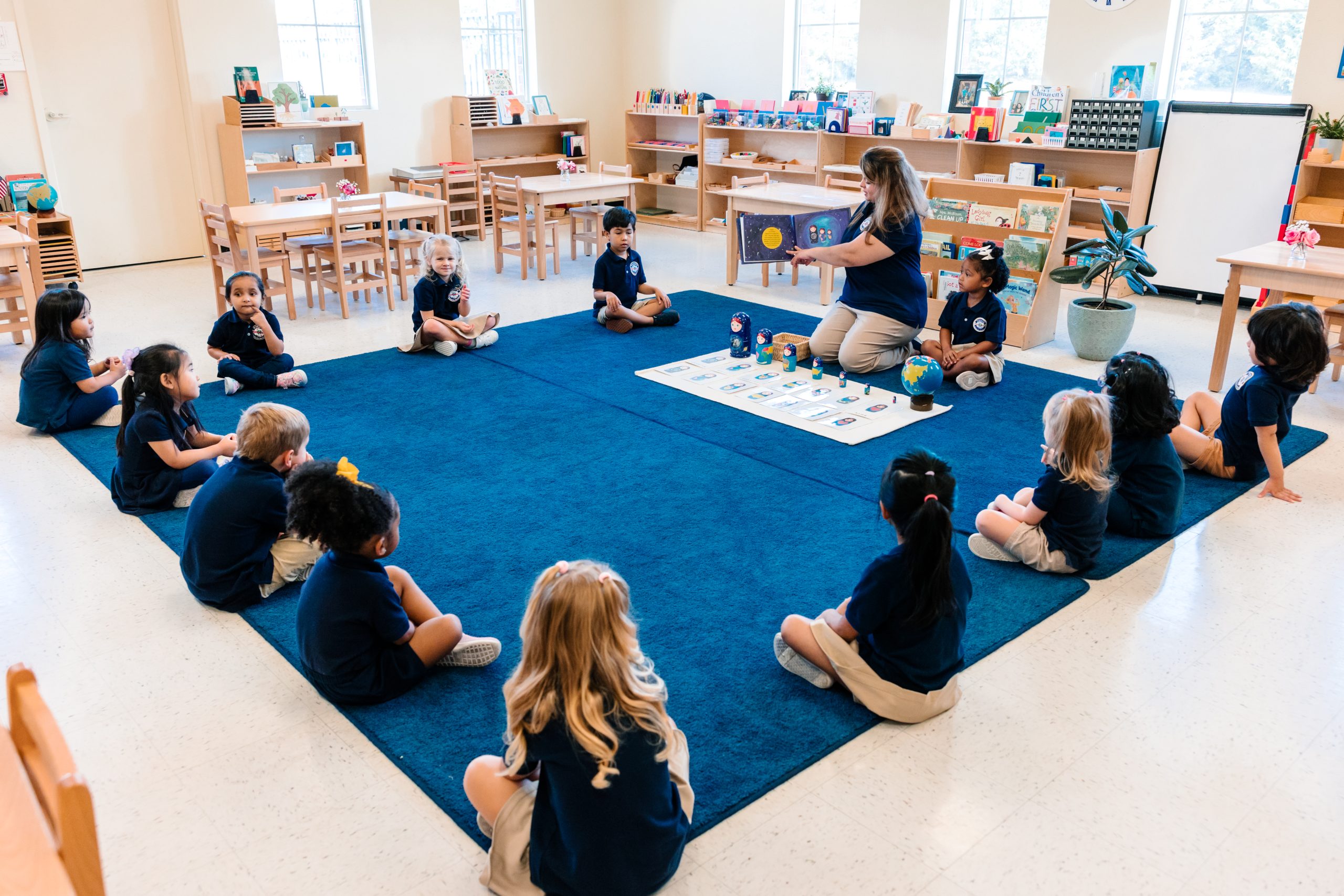
Human connection plays a central role in Montessori education. Children learn through conversations, collaboration, observation, and shared experiences with others.
When children spend significant time interacting with screens, they may have fewer opportunities to practice important social skills. Face-to-face interactions teach children how to read body language, listen actively, express emotions, and resolve disagreements respectfully.
Montessori environments create daily opportunities for these interactions. Children work alongside peers, help younger classmates, and learn to communicate their needs effectively. These experiences contribute to social and emotional growth in ways that digital interactions often cannot match.
A common misconception is that Montessori education completely rejects technology. In reality, many Montessori educators recognize that technology is an important part of modern life.
The difference lies in timing and balance.
Montessori schools generally prioritize foundational developmental experiences during early childhood before introducing technology as a learning tool. The goal is to ensure that children first develop concentration, creativity, critical thinking, and social skills through direct experiences.
As children grow older, technology can be introduced thoughtfully and purposefully rather than becoming the center of the learning experience.
Families don’t need to eliminate screens entirely to embrace Montessori-inspired habits. Small changes can make a meaningful difference.
Creating screen-free periods during the day encourages children to engage in independent play, reading, art, and outdoor activities. Providing access to hands-on materials such as puzzles, building blocks, craft supplies, and practical life activities can also help children stay engaged without relying on digital entertainment.
Parents can also focus on involving children in everyday tasks. Cooking, gardening, organizing, and caring for household items provide valuable learning experiences that no app can fully replicate.
The goal isn’t perfection. It’s creating a healthy balance between technology and real-world exploration.
The Montessori approach to screen time is rooted in a simple but powerful belief: children learn best through direct experiences. By limiting unnecessary screen exposure and prioritizing hands-on learning, Montessori education creates space for curiosity, creativity, concentration, and meaningful human connection.
In a world where digital devices are increasingly present, this philosophy serves as a reminder that some of the most valuable learning experiences still happen away from a screen. Whether it’s building a tower, planting a seed, solving a problem, or helping a friend, these moments shape children’s development in ways that technology alone never can.
Sometimes, less really is more.