
10 Reasons Why Montessori Schools Are Different
In today’s digital world, screens have become part of everyday life. From televisions and tablets to smartphones and computers, children are exposed to technology earlier than ever before. While digital devices can provide valuable educational opportunities and entertainment, excessive screen time can affect children’s physical health, emotional well-being, and overall development. The key is not eliminating technology but creating healthy, balanced habits that support your child’s growth.
Here are some practical tips to help families manage screen time while encouraging meaningful learning and connection.
Creating consistent screen time boundaries helps children develop healthy habits from an early age. The American Academy of Pediatrics recommends avoiding screen time for children younger than 18 months, except for video chatting. For children ages 2 to 5, limit screen use to about one hour per day of high-quality educational programming. Older children should have balanced schedules that include sleep, physical activity, family time, homework, and outdoor play alongside screen use.
Consistency makes expectations easier for children to understand and follow.
Not all screen time is created equal. Instead of passive viewing, encourage children to engage with educational content by watching together and talking about what they see.
Ask open-ended questions, discuss characters and storylines, and connect what they’re watching to real-life experiences. These conversations help strengthen comprehension, language development, and critical thinking skills.
Designating certain areas of your home as screen-free zones encourages stronger family connections and healthier daily routines. Dining rooms, bedrooms, and family gathering spaces are ideal places to enjoy conversation and quality time without digital distractions.
Limiting screens before bedtime is especially important, as blue light from devices can interfere with healthy sleep by reducing melatonin production.
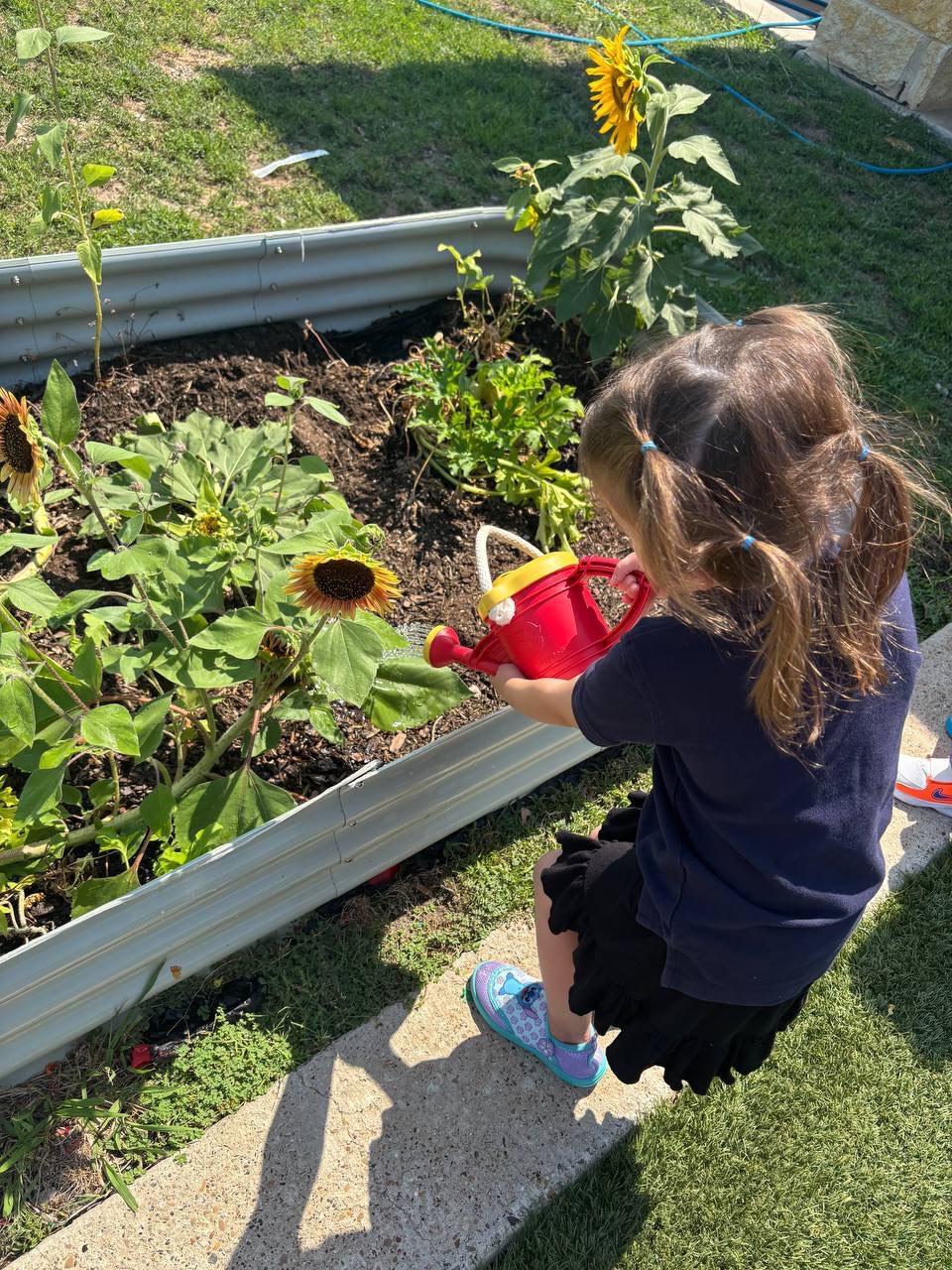
Children naturally spend less time on screens when they have engaging alternatives. Reading books, completing puzzles, building with blocks, creating art, playing board games, cooking together, gardening, and spending time outdoors all encourage creativity, problem-solving, and social development.
Keeping a list of fun screen-free activities can make it easier to redirect children when they begin reaching for a device out of boredom.
Children often learn by observing the adults around them. Demonstrating healthy technology habits encourages children to do the same.
Set aside your own devices during meals, conversations, and family activities whenever possible. Showing children that relationships and experiences come before screens creates habits that often last a lifetime.
Parental controls can help manage screen time and filter age-appropriate content, but they work best when combined with open communication.
Talk regularly with your child about internet safety, appropriate online behavior, and the importance of making responsible choices while using technology.
Technology evolves quickly. Staying informed about the apps, games, websites, and social media platforms your children use allows you to guide them with confidence.
When parents understand the digital world their children are navigating, conversations about online safety become more meaningful and effective.
Technology can also be used to strengthen relationships. Video calls with grandparents, virtual family gatherings, or educational activities completed with friends can provide valuable social interaction.
At the same time, encourage children to build strong in-person friendships through playdates, community activities, sports, and family outings that promote healthy communication and emotional development.
Helping children become thoughtful media consumers is one of the most valuable skills parents can teach. Encourage children to ask questions about what they watch, recognize the difference between facts and opinions, and understand that not everything they see online reflects real life.
These conversations build media literacy and prepare children to use technology responsibly as they grow.
At Pinnacle Montessori of Frisco, we believe children learn best through hands-on experiences, meaningful relationships, and purposeful exploration. Our authentic Montessori programs encourage curiosity, independence, creativity, and critical thinking while helping children develop healthy habits that support lifelong success.
If you’re looking for a Montessori preschool or daycare in Frisco, we invite you to experience the Pinnacle Montessori difference. To learn more about our programs or to schedule a tour of our campus, please call (213) 319-6348. We look forward to partnering with your family and helping your child build a strong foundation for lifelong learning.