10 Reasons Why Montessori Schools Are Different
Choosing the right educational path for your child is one of the most important decisions you’ll make as a parent. Two of the most common options are Montessori education and traditional education. While both aim to help children succeed academically and socially, they take very different approaches to learning. Understanding these differences can help you determine which environment best supports your child’s personality, interests, and learning style.
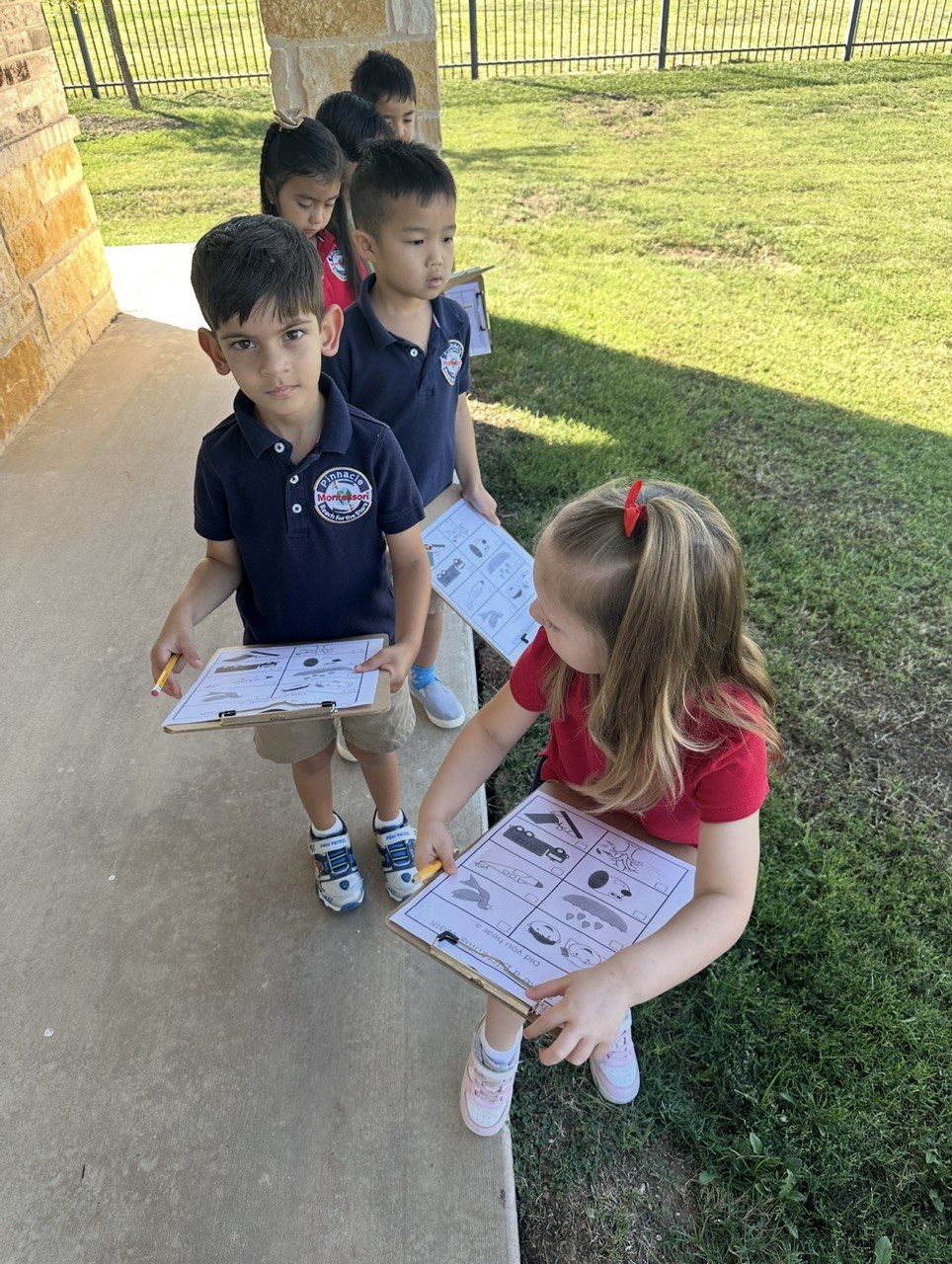
Developed by Dr. Maria Montessori, the Montessori method is built on the belief that children are naturally curious and capable learners. Montessori classrooms encourage independence, hands-on exploration, and self-directed learning. Rather than leading every lesson from the front of the classroom, Montessori educators serve as guides, carefully observing each child and introducing new lessons when they are developmentally ready.
Children are encouraged to make choices, explore meaningful activities, and learn at their own pace within a carefully prepared environment.
Traditional education follows a more structured, teacher-led model. Students generally follow the same curriculum, complete lessons together, and progress according to grade-level expectations. Teachers provide direct instruction, lead classroom discussions, assign homework, and regularly assess student progress through quizzes, tests, and assignments.
This approach provides consistency and structure while ensuring students meet established academic standards.
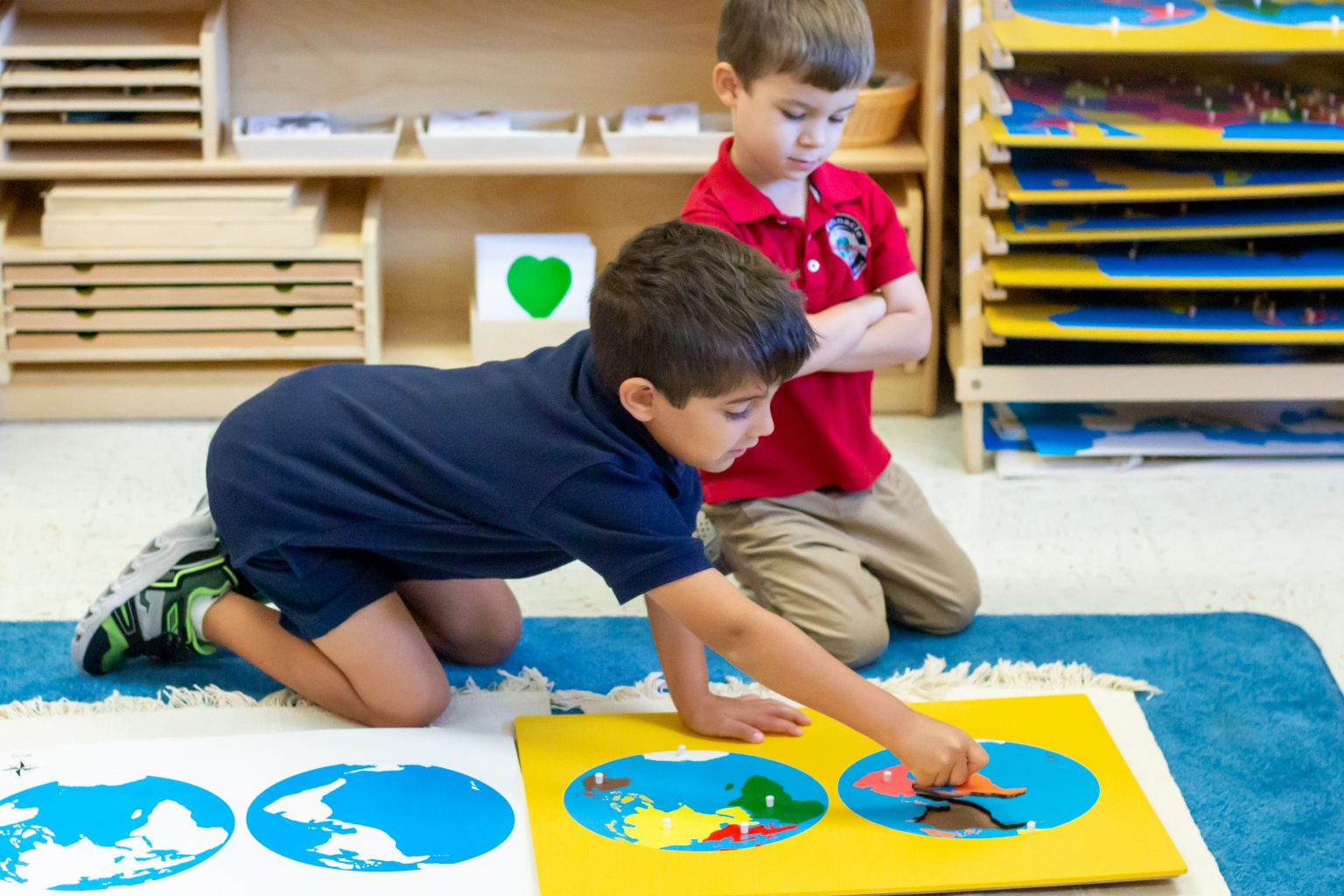
Montessori classrooms are designed to be calm, organized, and inviting. Children move freely throughout the classroom, choosing activities that match their developmental readiness while working independently or in small groups.
Traditional classrooms typically have teacher-directed lessons, assigned seating, and structured schedules where the entire class moves through subjects together.
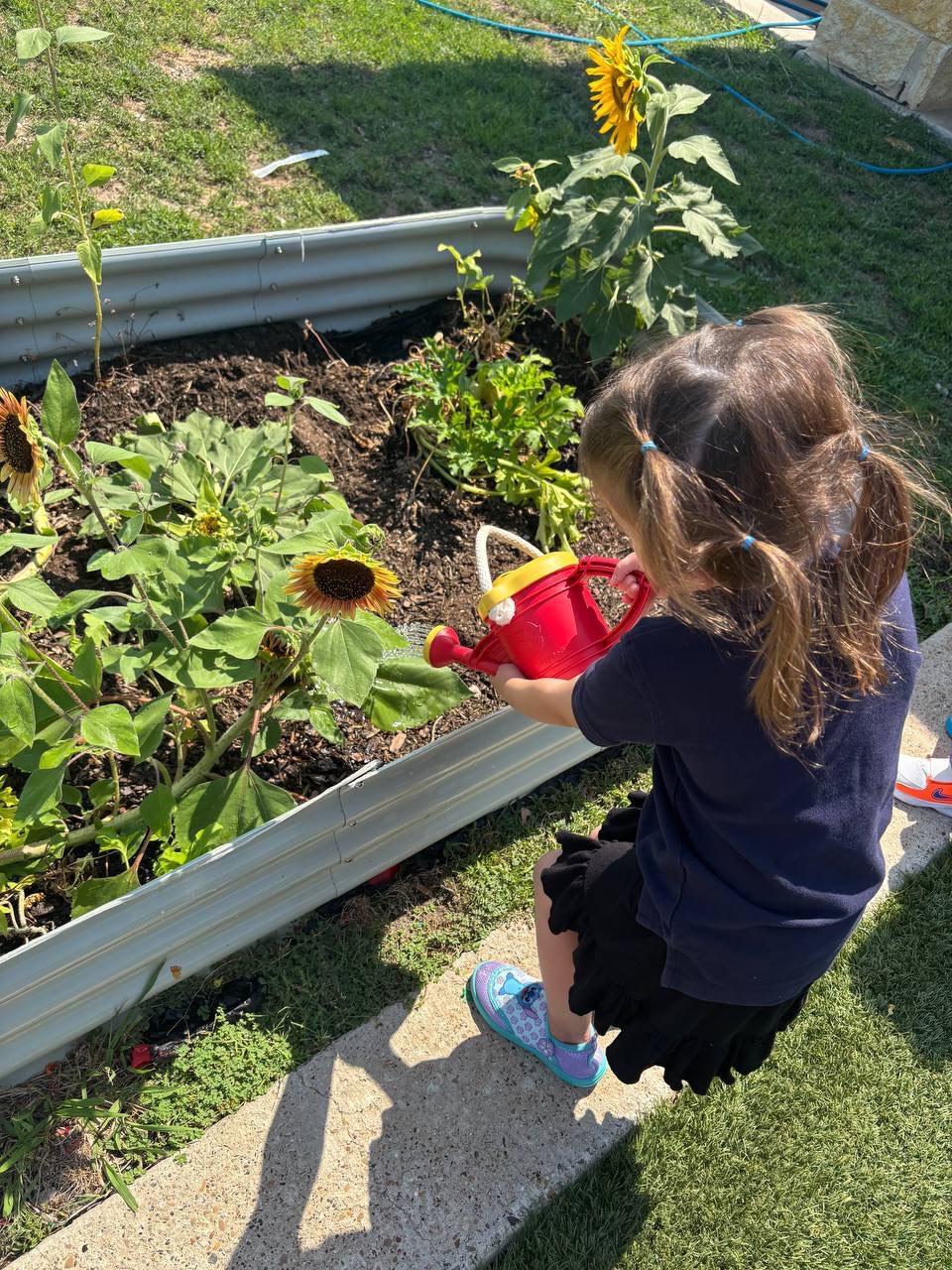
Montessori education emphasizes hands-on learning through specially designed materials that help children understand concepts by seeing, touching, and experiencing them. Lessons connect multiple subjects, encouraging children to make meaningful real-world connections.
Traditional education generally follows a standardized curriculum with scheduled instruction across subjects. Learning often includes textbooks, worksheets, lectures, classroom discussions, and assessments designed to measure academic progress.
One of the greatest strengths of Montessori education is its individualized approach. Every child progresses according to their own developmental pace, allowing them to spend more time mastering concepts before moving forward.
In traditional classrooms, students usually move through lessons together according to grade-level expectations, with teachers working to support the needs of the entire class.
Montessori classrooms typically include mixed-age groups, allowing younger children to learn from older classmates while giving older students opportunities to develop leadership, patience, and empathy. Collaboration is encouraged, and children naturally learn to respect and support one another.
Traditional classrooms also promote social development through group projects, classroom discussions, sports, and extracurricular activities, although students are generally grouped by age and grade level.
In Montessori education, teachers act as guides and observers. They carefully monitor each child’s development, introduce lessons individually or in small groups, and encourage children to discover solutions independently.
In traditional education, teachers play a more direct instructional role by presenting lessons, leading classroom activities, and evaluating student performance through regular assessments.
Every child learns differently. Some children thrive in a structured classroom with clear routines and teacher-led instruction, while others flourish in an environment that encourages exploration, independence, and self-paced learning.
When deciding between Montessori and traditional education, consider your child’s personality, interests, learning style, and developmental needs. Visiting schools, observing classrooms, speaking with educators, and asking questions can help you make a confident and informed decision.
At Pinnacle Montessori of Frisco, we believe every child deserves an education that nurtures curiosity, independence, confidence, and a lifelong love of learning. Our authentic Montessori programs provide a carefully prepared environment where children are encouraged to explore, discover, and reach their fullest potential through meaningful hands-on experiences.
If you’re looking for a Montessori preschool or daycare in Frisco, we invite you to visit Pinnacle Montessori and experience the difference firsthand. To learn more about our programs or schedule a tour, please call (213) 319-6348. We look forward to partnering with your family on your child’s educational journey.