
10 Reasons Why Montessori Schools Are Different
The Montessori method of education, developed by Dr. Maria Montessori more than a century ago, emphasizes hands-on learning, independence, and the natural development of every child. As televisions, tablets, and digital media become an increasingly common part of everyday life, many parents wonder how screen time fits within the Montessori philosophy. The question is not simply whether children should watch television, but how families can approach it intentionally while staying true to Montessori principles.
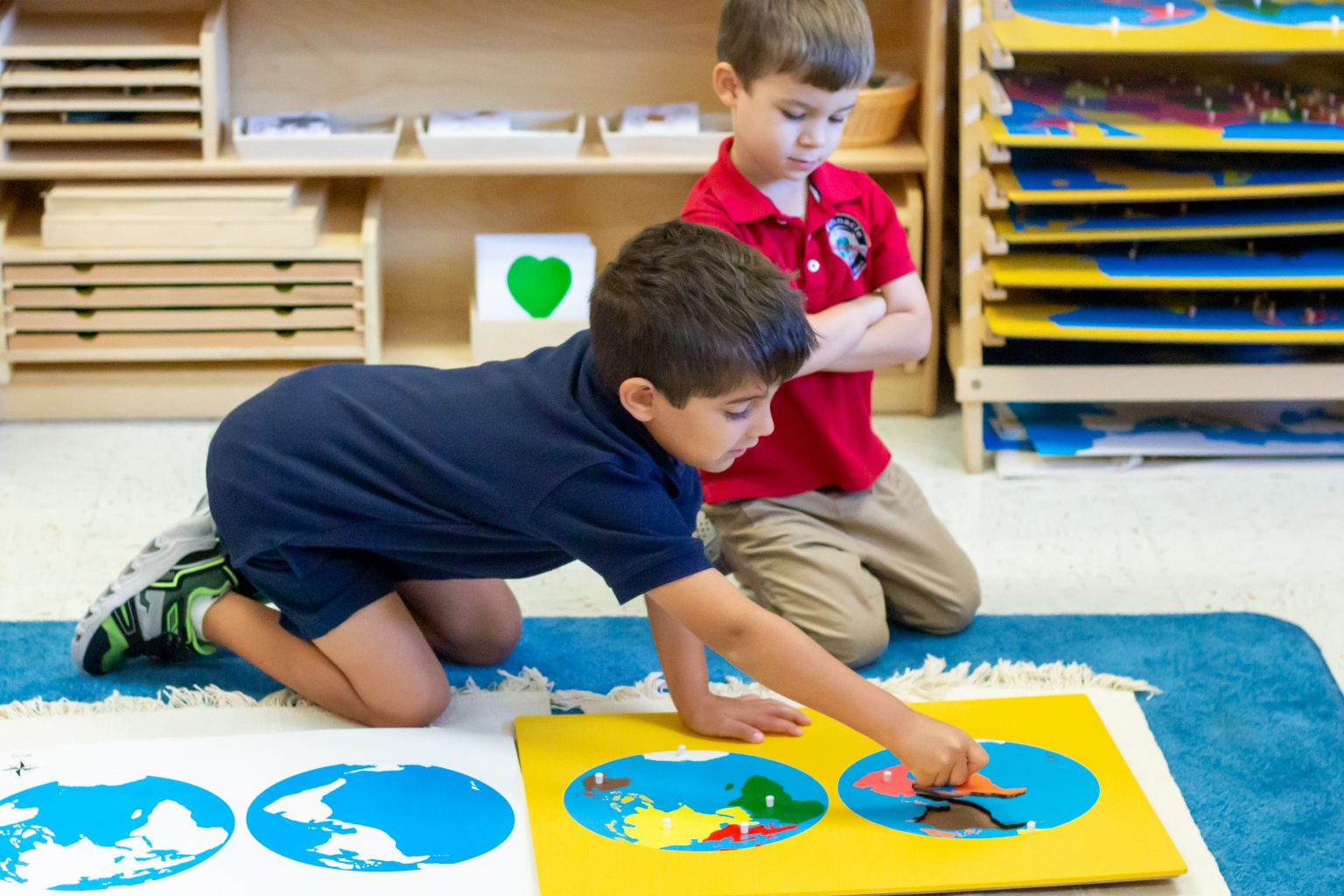
At the heart of Montessori education is the belief that children learn best through real-life experiences, purposeful activities, and meaningful exploration. Rather than relying on passive entertainment, Montessori encourages children to engage with their environment, solve problems, interact with others, and discover the world through hands-on learning.
When television is introduced thoughtfully and in moderation, it can complement a child’s learning rather than replace valuable real-world experiences.
One of the core principles of Montessori education is choosing quality experiences over simply filling time. The same applies to television.
Instead of allowing children to watch whatever is available, select programs that inspire curiosity, creativity, and learning. Nature documentaries, educational programs, science shows, cultural content, and age-appropriate storytelling can introduce children to new ideas while supporting healthy development.
The goal is to make television purposeful rather than passive.
Montessori education encourages active participation instead of passive observation. Television can become a richer learning experience when parents watch alongside their children.
Ask open-ended questions before, during, and after a program. Encourage your child to describe what they observed, explain their favorite parts, or predict what might happen next. These conversations help strengthen language skills, critical thinking, and comprehension.
For example, after watching a documentary about animals, you might explore similar topics through books, outdoor walks, or visits to a local nature center.
Children thrive on consistency and routine. Establishing clear guidelines around television helps create healthy habits while leaving plenty of time for active learning and play.
The American Academy of Pediatrics recommends limiting high-quality screen time to about one hour per day for children ages 2 to 5. More importantly, ensure that television never replaces sleep, outdoor play, reading, family interaction, or hands-on learning experiences.
A balanced daily routine allows children to benefit from technology without becoming dependent on it.
One of the greatest strengths of Montessori education is connecting learning to real-world experiences. Television can introduce a topic, but meaningful learning happens when children explore it firsthand.
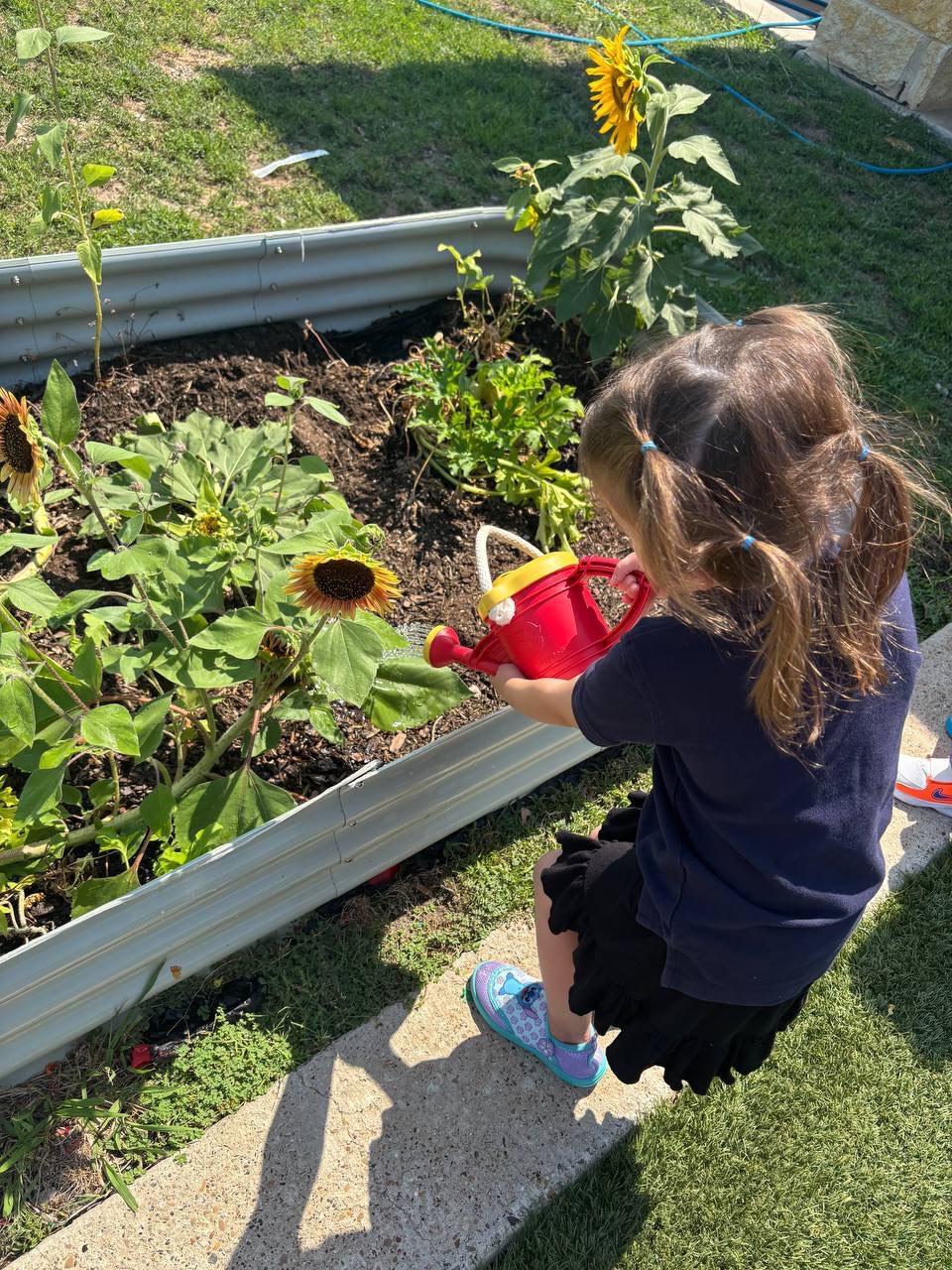
If your child watches a program about gardening, plant flowers together. If they learn about different cultures, cook a traditional meal or visit a cultural event. If they become interested in wildlife, plan a trip to the zoo or a local nature preserve.
These experiences transform curiosity into lasting knowledge.
Children often respond emotionally to what they watch. Montessori education places great importance on emotional development, making it essential for parents to observe how television affects their child.
Take time to discuss any emotions that arise during or after a program. Helping children identify and express their feelings builds emotional intelligence, empathy, and self-awareness while strengthening the parent-child relationship.
Parents play the most important role in helping children develop healthy media habits. By selecting meaningful content, watching together, setting appropriate limits, and encouraging hands-on exploration, families can create a balanced approach to technology that supports healthy growth.
Television should never replace meaningful conversations, imaginative play, outdoor adventures, or opportunities for independent discovery. Instead, it should serve as one of many tools that inspire curiosity and encourage lifelong learning.
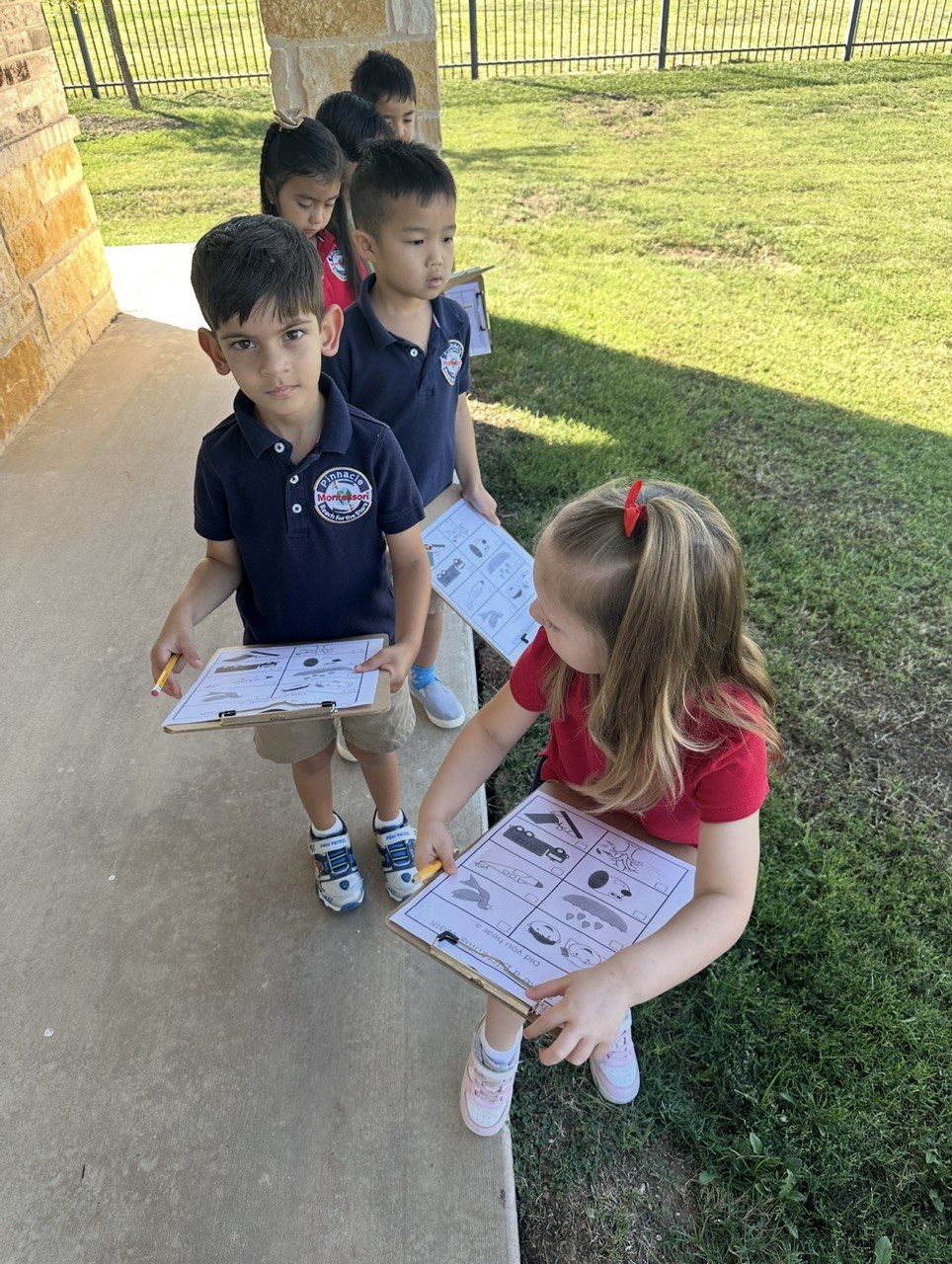
At Pinnacle Montessori of Frisco, we believe children learn best through exploration, creativity, and meaningful real-world experiences. Our authentic Montessori programs provide a carefully prepared environment where children develop independence, confidence, critical thinking, and a lifelong love of learning.
To learn more about our Montessori programs or to schedule a tour of our Frisco campus, please call (213) 319-6348. We invite you to experience the nurturing, engaging environment that makes Pinnacle Montessori a place where every child can thrive.