The Montessori approach to early childhood education is a unique and holistic method of teaching young children that focuses on the development of the whole child. Founded by Dr. Maria Montessori in the early 20th century, this approach emphasizes independence, freedom within limits, and a hands-on, sensory-based learning environment.
Here are some key aspects of the Montessori approach that parents and educators should be aware of:
1. Child-Centered Learning
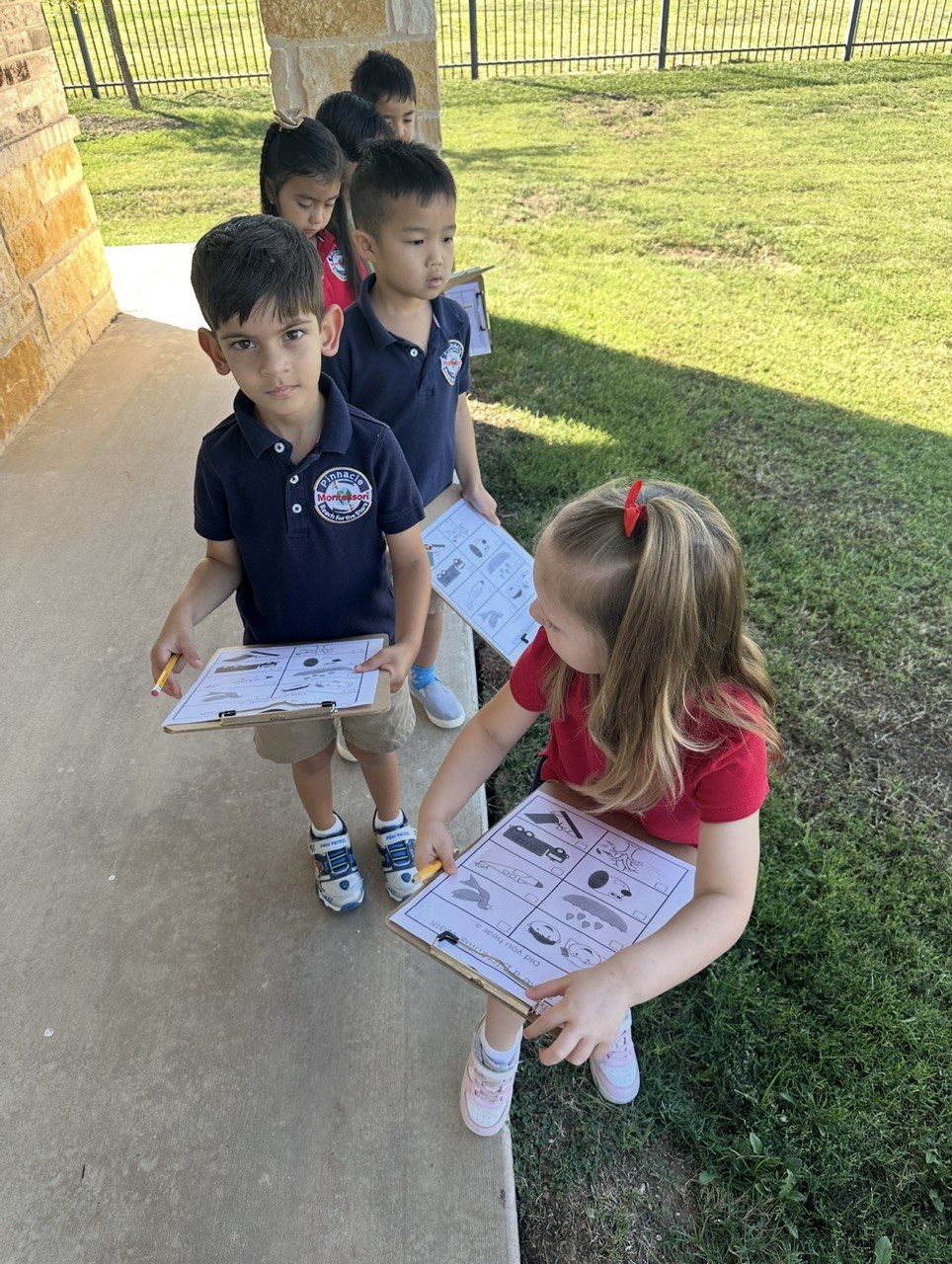
In a Montessori classroom, children are encouraged to follow their own interests and learn at their own pace. Teachers act as guides, providing support and encouragement while allowing children to explore and discover independently.
2. Mixed-Age Groups
Montessori classrooms typically group children of different ages together, allowing younger children to learn from older peers and older children to reinforce their learning by helping younger classmates. This promotes a strong sense of community, leadership, and collaboration.
3. Hands-On Learning Materials
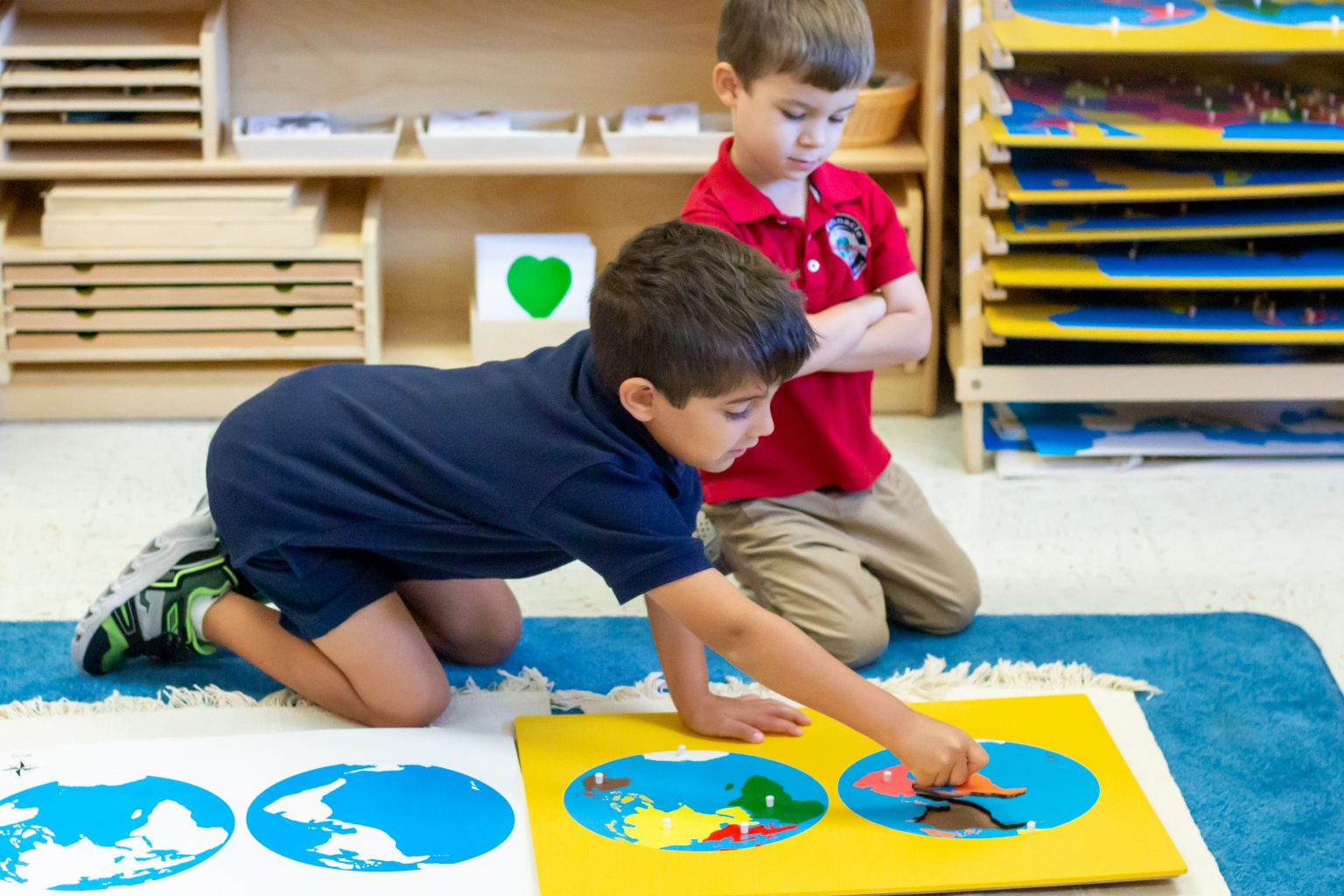
Montessori classrooms are filled with specially designed, hands-on materials that engage children’s senses and encourage independent exploration. These carefully selected materials help children develop specific skills and understand concepts through meaningful experiences.
4. Emphasis on Practical Life Skills
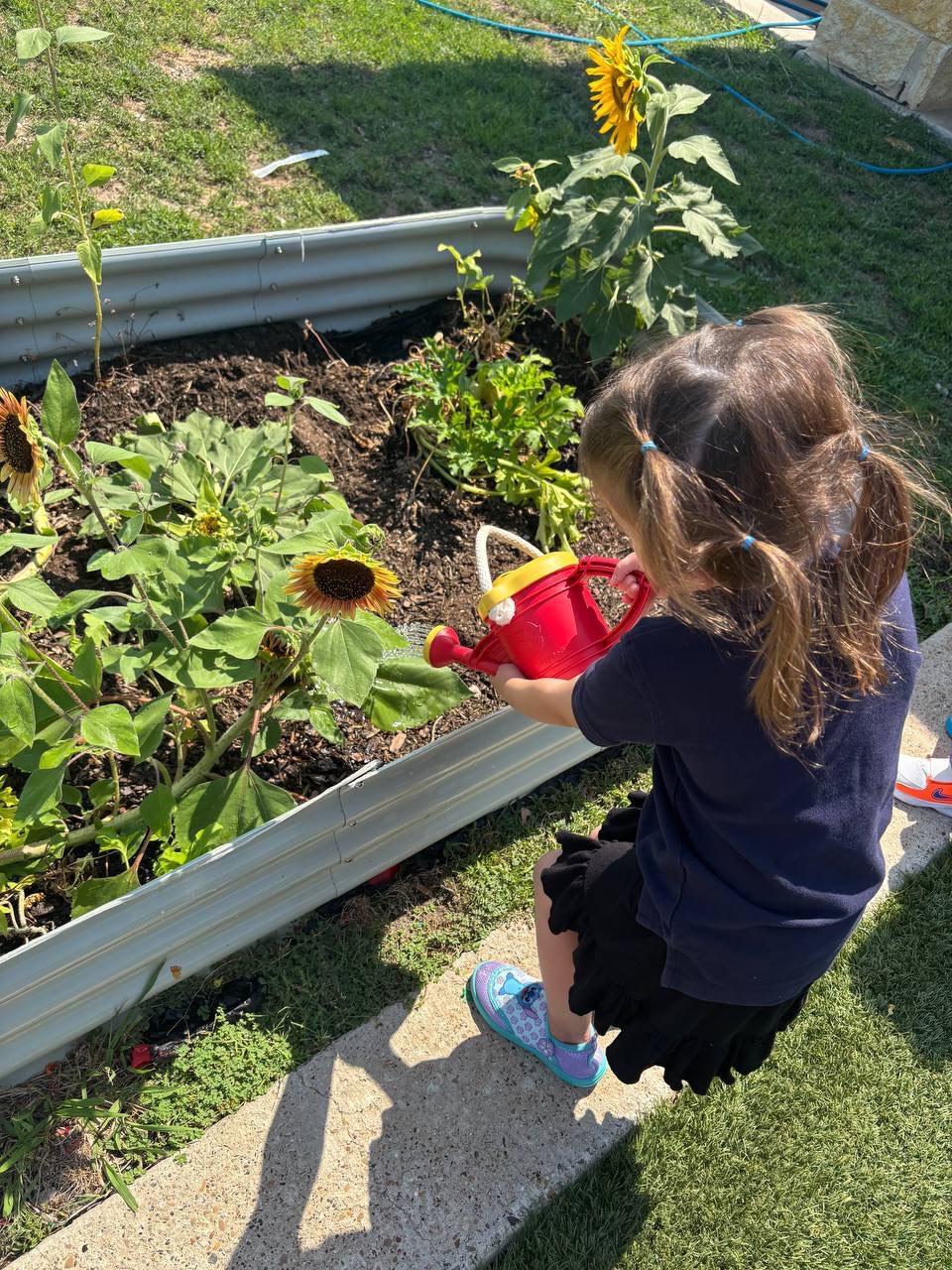
In addition to academic subjects, Montessori education places a strong emphasis on teaching practical life skills such as dressing themselves, preparing food, and caring for their environment. These activities help children develop independence, responsibility, coordination, and confidence.
5. Freedom Within Limits
While children are given a great deal of freedom in a Montessori classroom, that freedom is always accompanied by clear boundaries and expectations. Children learn to respect themselves, others, and their environment, fostering responsibility, self-discipline, and mutual respect.
6. Individualized Learning
The Montessori approach recognizes that every child is unique and learns differently. Teachers strive to meet the individual needs of each child by providing personalized guidance, instruction, and support that encourages each child to reach their full potential.
Overall, the Montessori approach to early childhood education offers a comprehensive, child-centered method that has been proven to effectively support the development of young children. By understanding the core principles of Montessori education, parents and educators can create a learning environment that nurtures independence, creativity, confidence, and a lifelong love of learning.