
Screen Time Limits for Kids: How Much is Too Much?
Montessori education is known for nurturing independence, confidence, and a lifelong love of learning. However, one of the most valuable lessons children learn in a Montessori environment extends beyond academics. Montessori education places a strong emphasis on developing empathy, helping children understand, respect, and care for the people around them.
Empathy is the ability to recognize, understand, and share the feelings of others. In a Montessori classroom, empathy is woven into daily interactions, classroom routines, and learning experiences. By fostering empathy from an early age, Montessori educators help children build meaningful relationships and develop the social and emotional skills needed to thrive throughout life.
Learning how to interact positively with others is an important part of early childhood development. Through empathy, children begin to understand how their words and actions affect those around them.
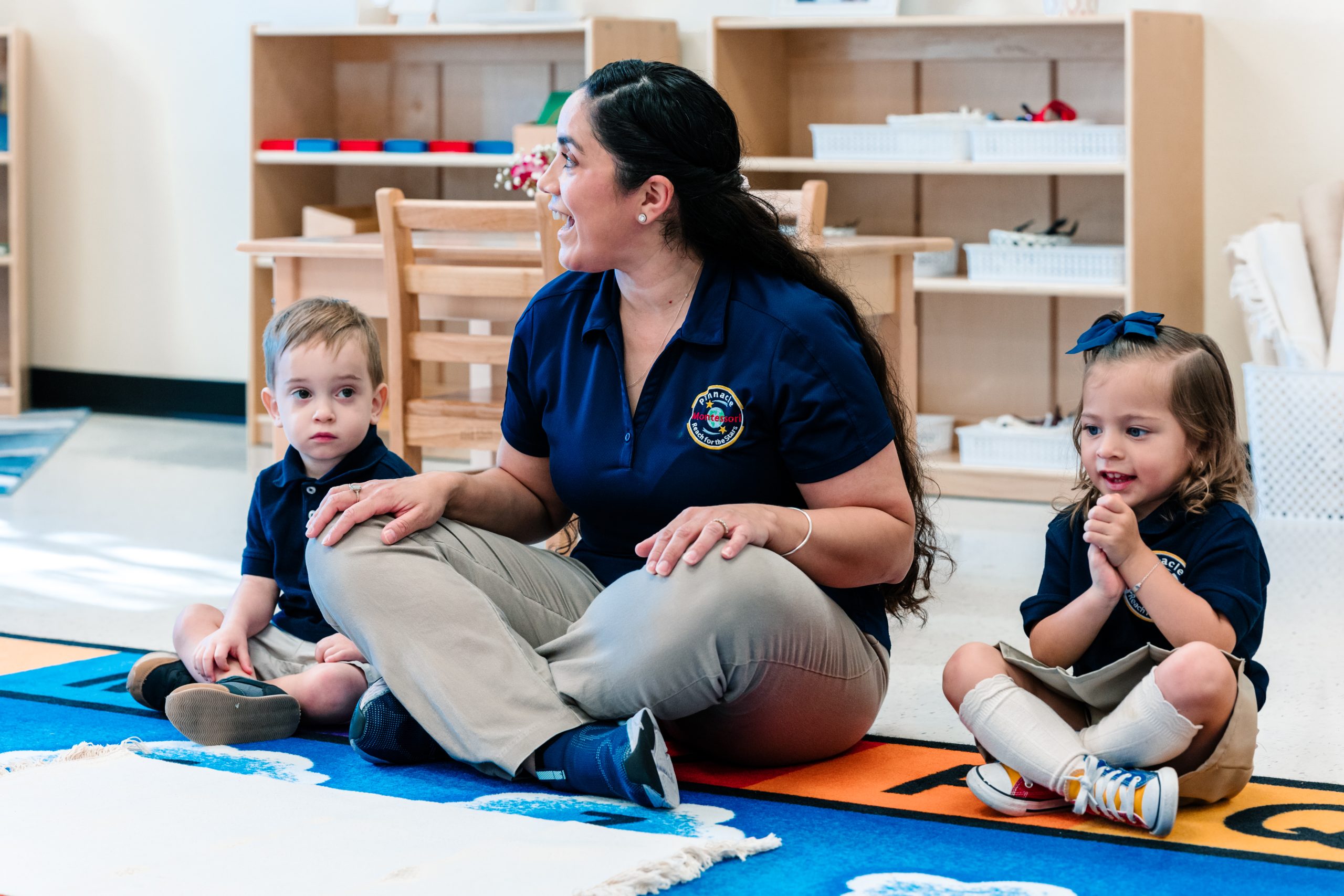
In a Montessori classroom, children learn to listen, communicate respectfully, and work collaboratively with their peers. These daily experiences help them develop strong social skills while building positive relationships based on trust, understanding, and mutual respect.
As children grow, these skills become the foundation for successful friendships, teamwork, and effective communication.
When children learn to understand the feelings of others, they naturally become more compassionate and considerate. Montessori classrooms encourage children to practice kindness through everyday interactions, helping them recognize opportunities to support, encourage, and care for those around them.
A culture of kindness creates a positive classroom environment where children feel safe, respected, and valued. These experiences help children develop habits of compassion that often extend beyond the classroom and into their homes and communities.
Emotional intelligence is the ability to understand and manage emotions while recognizing the emotions of others. This important life skill begins developing during early childhood and plays a significant role in a child’s future success.
Through empathy-focused experiences, Montessori students learn to identify feelings, express themselves appropriately, and respond thoughtfully to the emotions of their peers. As a result, children develop greater self-awareness, emotional regulation, and confidence in social situations.
Strong emotional intelligence supports healthy relationships, effective communication, and overall well-being throughout life.
Disagreements are a natural part of childhood, but they also provide valuable learning opportunities. Montessori education teaches children how to approach conflicts with understanding, respect, and problem-solving skills.
When children are encouraged to consider another person’s perspective, they become better equipped to communicate effectively and find peaceful solutions. Rather than focusing on blame, children learn to work together to resolve challenges in a way that respects everyone’s feelings and needs.
These experiences help children develop important conflict-resolution skills that benefit them throughout their lives.
Montessori classrooms bring together children with different personalities, backgrounds, experiences, and perspectives. Empathy helps children appreciate these differences while recognizing the value that each individual brings to the community.
By encouraging understanding and acceptance, Montessori education helps create an environment where every child feels welcomed and respected. Children learn that diversity strengthens communities and that kindness and respect should be extended to everyone.
This inclusive mindset helps prepare children to become thoughtful and responsible members of society.
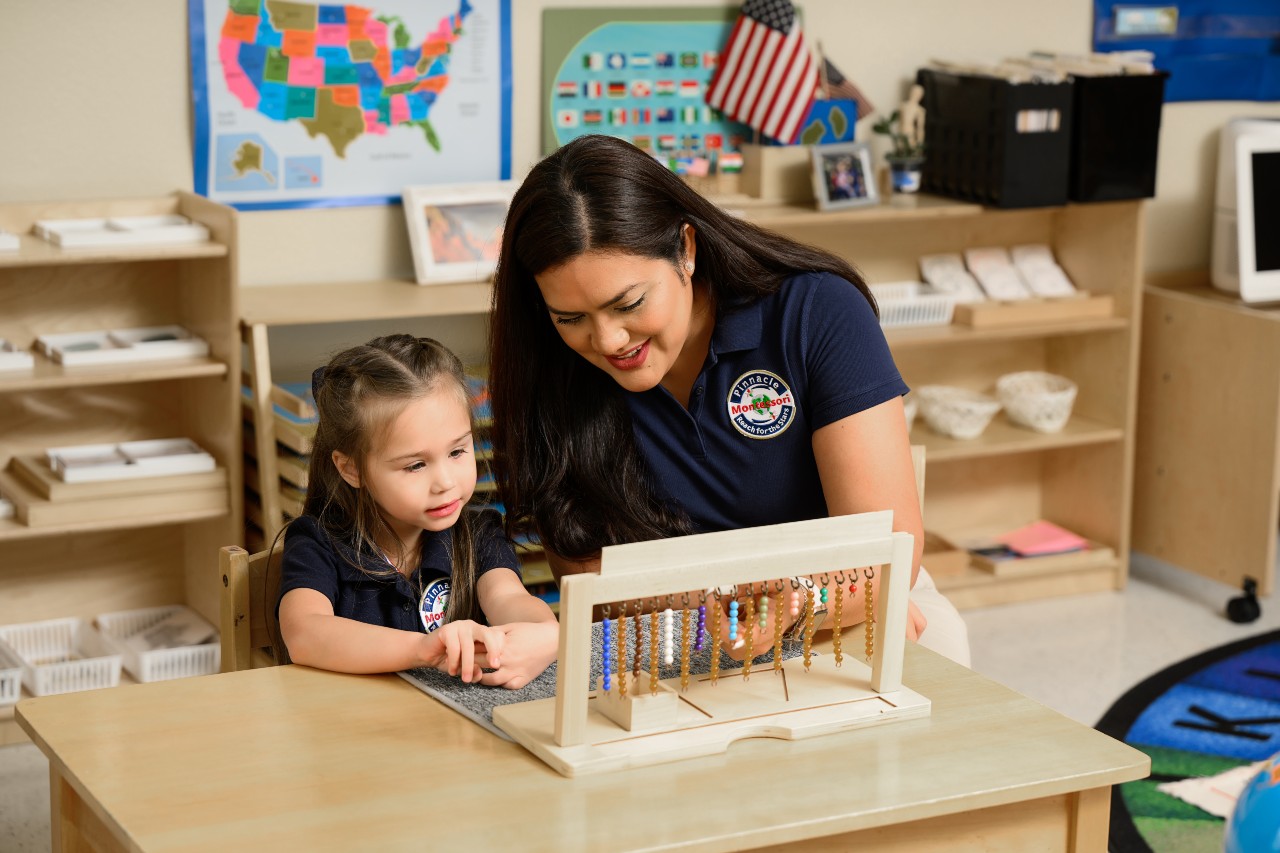
Empathy is not taught through lectures alone. It is developed through meaningful experiences and daily practice. Montessori educators create opportunities for children to strengthen empathy through respectful communication, collaborative activities, role-playing, group discussions, and real-world social interactions.
Mixed-age classrooms also play an important role. Older children naturally learn to support and mentor younger classmates, while younger children develop trust and confidence through positive relationships with their peers.
These everyday experiences help empathy become a natural part of a child’s character and behavior.
At its core, Montessori education is about helping children become capable, confident, and compassionate individuals. By fostering empathy from an early age, Montessori classrooms help children develop the social and emotional skills needed to build strong relationships, contribute positively to their communities, and navigate life with kindness and understanding.
At Pinnacle Montessori, we believe that academic success and character development go hand in hand. Through a supportive and respectful environment, we help children grow into thoughtful individuals who understand the importance of empathy, compassion, and meaningful human connection.