

Screen Time Limits for Kids: How Much is Too Much?
Technology is a part of everyday life, and for many families, screens play a role in education, entertainment, and communication. While digital devices can offer valuable learning opportunities, excessive screen time can affect a child’s physical health, emotional well-being, and overall development.
Finding a healthy balance is key. Rather than eliminating screens entirely, parents can focus on creating habits that encourage responsible technology use while ensuring children have plenty of opportunities for active play, social interaction, and hands-on learning.
Children learn and develop through movement, exploration, communication, and real-world experiences. When screen time begins to replace these important activities, it can impact several areas of development.
Excessive screen use may contribute to:
Creating healthy screen habits early can help children develop a balanced relationship with technology as they grow.
The American Academy of Pediatrics (AAP) provides age-based recommendations to help families make informed decisions about screen use.
For infants and young toddlers, screen time is generally not recommended except for video chatting with family members and loved ones.
During this stage, children benefit most from direct interaction, sensory experiences, movement, and responsive communication with caregivers.
For preschool-aged children, experts recommend limiting screen time to approximately one hour per day of high-quality educational programming.
Whenever possible, parents should watch alongside their children and engage in conversations about what they are viewing. This helps children better understand and apply what they learn.
For school-aged children, there is no single universal limit. Instead, parents should establish consistent boundaries that ensure screen time does not interfere with:
The focus should be on maintaining a healthy balance rather than simply counting hours.
Creating healthy screen habits often begins with clear expectations and consistent routines.
Set specific times during the day when screens may be used. For example, screen time can be limited until homework is completed, chores are finished, or outdoor play has taken place.
Having predictable routines helps children understand expectations and develop self-regulation skills.
Children thrive when they have opportunities to explore a variety of interests. Encourage activities such as:
Providing engaging alternatives often reduces dependence on screens naturally.
Parental controls can help families manage screen usage and create safer digital experiences. Many devices allow parents to:
These tools can support healthy technology habits while providing additional peace of mind.
Children learn by observing the adults around them. Parents who demonstrate balanced technology use help children develop similar habits.
Consider setting aside devices during family meals, conversations, and shared activities. Showing children that technology has a place—but not the central place—in daily life can make a lasting impact.
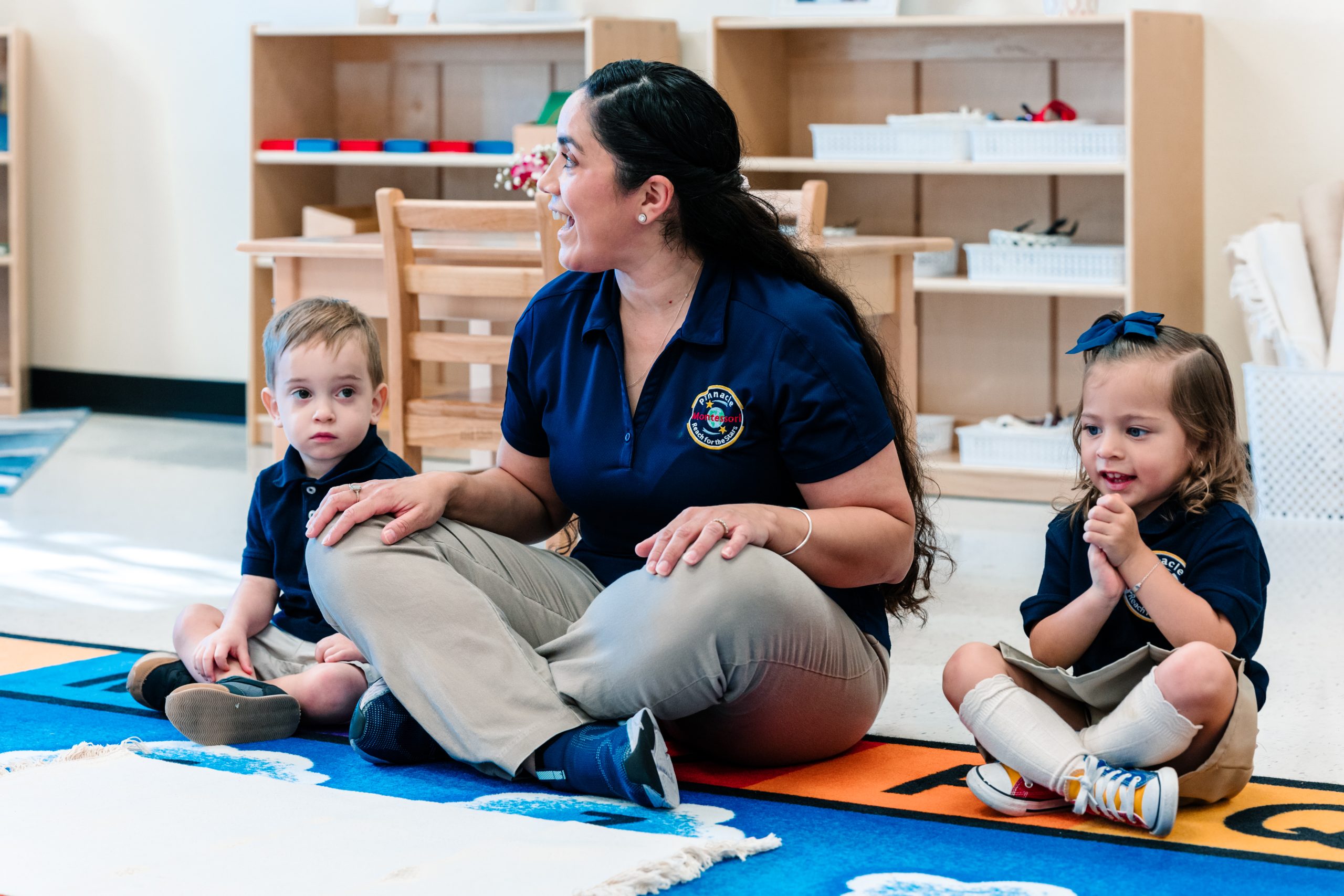
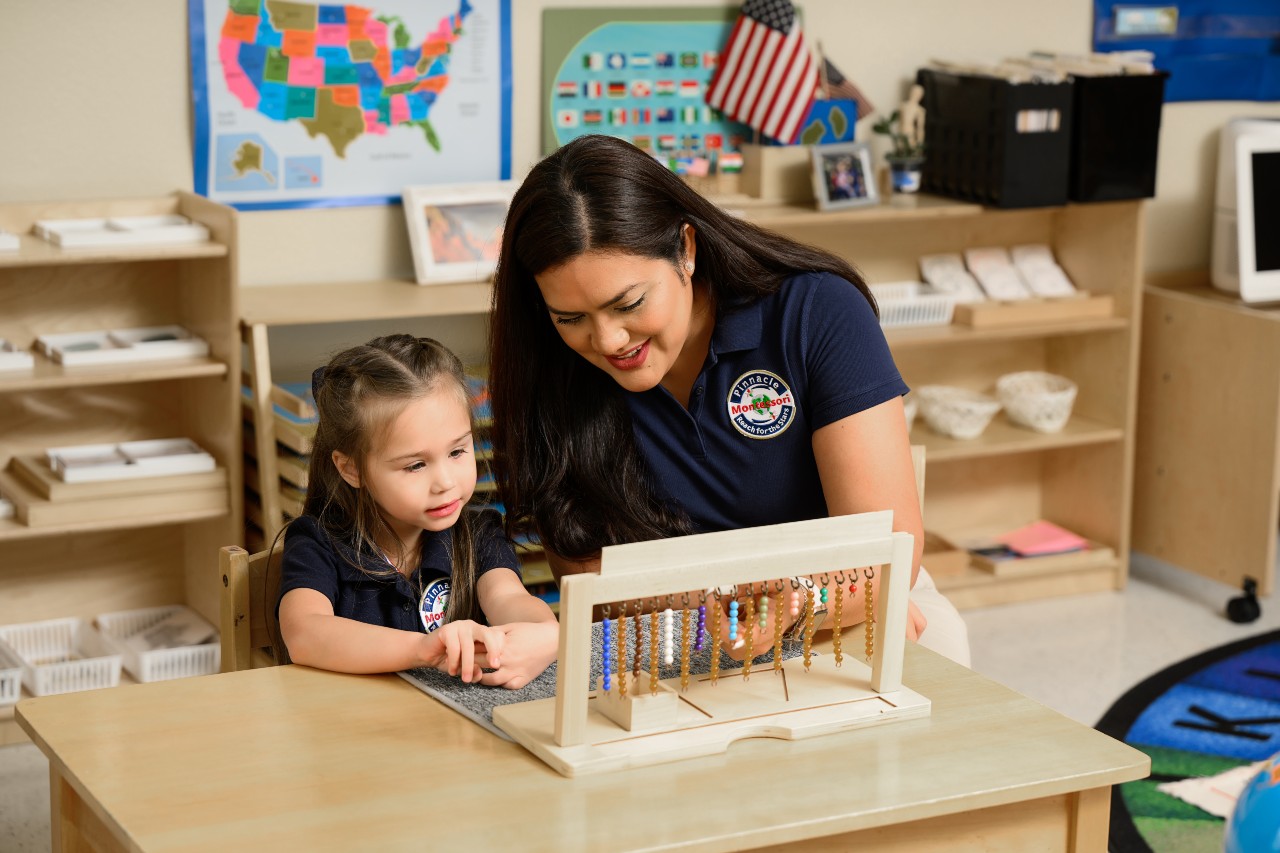
Screen-free experiences are essential for healthy child development. Activities such as imaginative play, outdoor exploration, hands-on learning, and social interaction help children build important cognitive, emotional, and physical skills.
These experiences encourage creativity, problem-solving, communication, and independence in ways that screens cannot fully replicate.
Creating screen-free moments throughout the day allows children to engage more deeply with the world around them.
There is no perfect formula for screen time because every child and family is different. The goal is to create healthy boundaries that allow children to benefit from technology while ensuring it does not replace the experiences that are most important for growth and development.
By setting clear expectations, encouraging a variety of activities, and modeling healthy habits, parents can help children develop a balanced relationship with technology that supports their well-being both now and in the future.
At Pinnacle Montessori of Crown Ridge, we believe children learn best through hands-on experiences, meaningful exploration, and real-world interactions. Our Montessori programs provide a nurturing environment where children can develop independence, curiosity, creativity, and a lifelong love of learning while building the skills needed for future success.