

Screen Time Limits for Kids: How Much is Too Much?
The Montessori Method has been transforming education for more than a century by recognizing and nurturing each child’s natural desire to learn. Developed by Dr. Maria Montessori, this educational philosophy focuses on fostering independence, curiosity, creativity, and a lifelong love of learning.
Rather than following a traditional one-size-fits-all approach, Montessori education creates an environment where children are encouraged to explore, discover, and grow according to their unique developmental needs. Understanding the core principles of Montessori education helps parents appreciate why this method continues to be embraced by families around the world.
At the heart of Montessori education is the belief that every child is unique. Children are encouraged to learn according to their individual interests, abilities, and developmental readiness. This personalized approach allows them to explore subjects that spark their curiosity while developing confidence and a genuine enthusiasm for learning.
When children feel ownership over their educational journey, they become more engaged and motivated participants in the learning process.
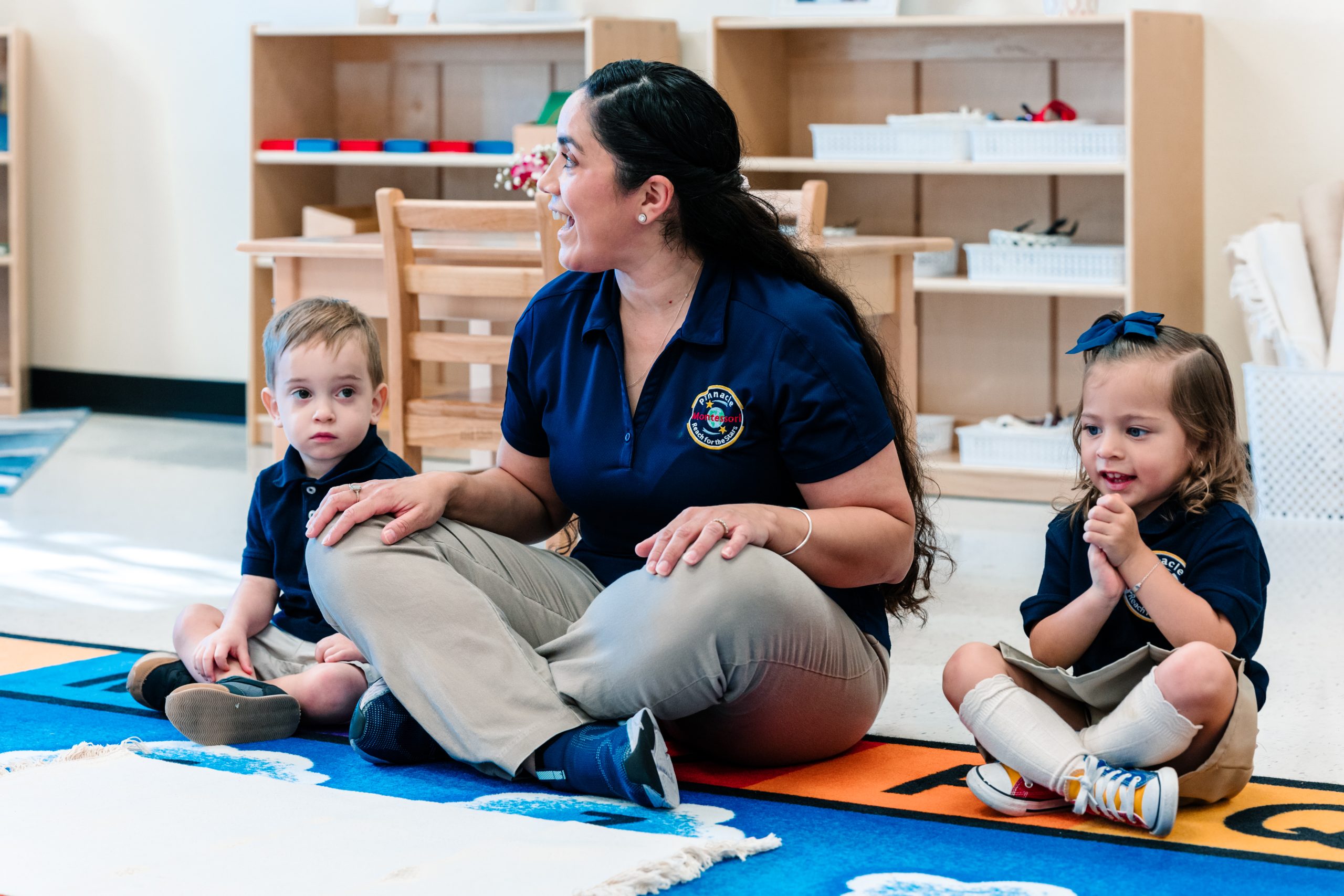
Montessori classrooms are intentionally designed to support independence and exploration. Every material, piece of furniture, and learning space is carefully arranged to encourage children to navigate the environment confidently and responsibly.
A well-prepared environment helps children develop concentration, self-discipline, and organizational skills while promoting a sense of security and belonging.
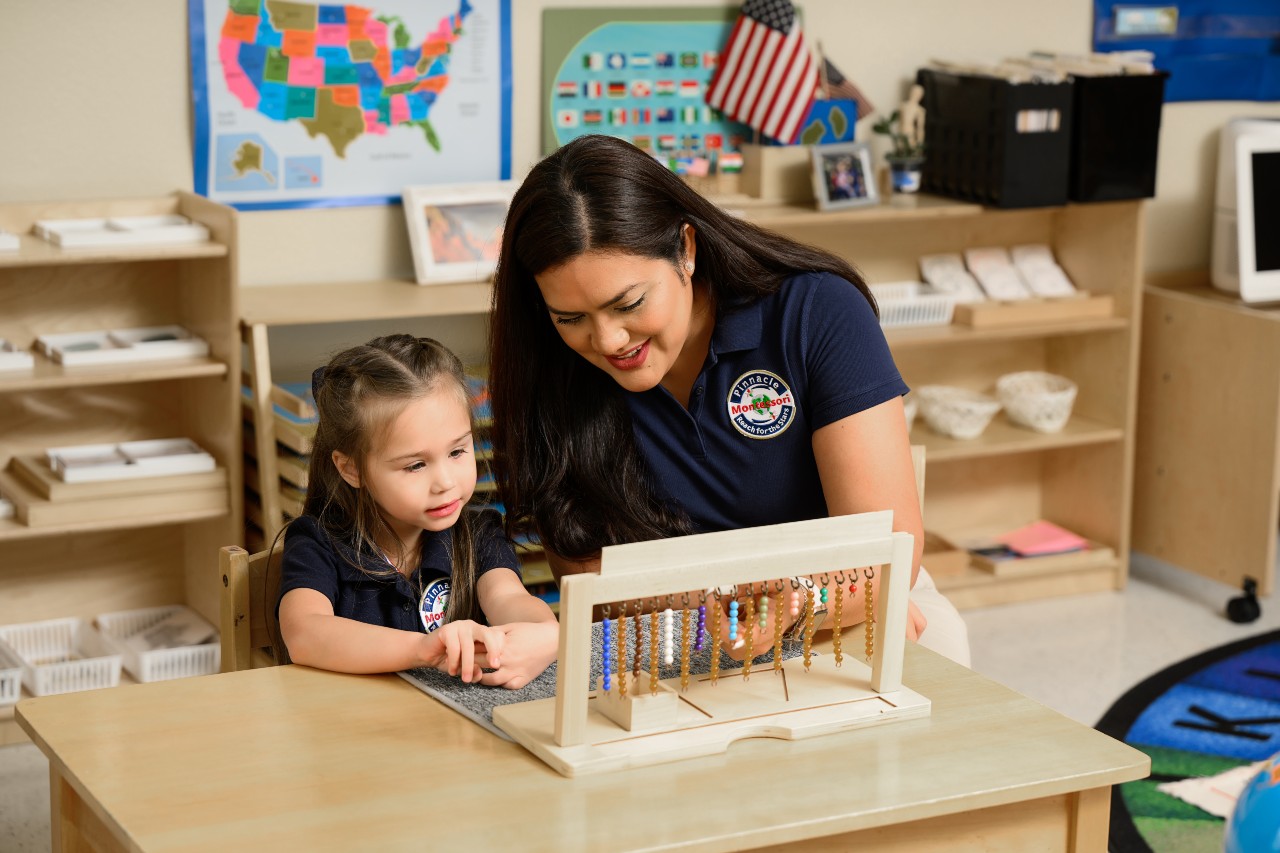
Children learn best when they actively engage with their environment. Montessori education emphasizes hands-on learning through carefully designed materials that allow children to explore concepts through touch, movement, and observation.
This experiential approach transforms abstract ideas into meaningful experiences, helping children develop a deeper understanding of what they are learning.
One of the most distinctive features of Montessori education is the mixed-age classroom. Children learn alongside peers of varying ages, creating a collaborative learning community.
Younger children benefit from observing older classmates, while older students strengthen their understanding by mentoring and supporting younger peers. This environment naturally promotes leadership, empathy, cooperation, and mutual respect.
Montessori education recognizes that learning extends beyond academics. Practical Life activities teach children valuable everyday skills such as preparing food, cleaning, organizing materials, caring for plants, and maintaining their environment.
These experiences help children develop coordination, concentration, responsibility, and independence while building confidence in their abilities.
Rather than relying heavily on rewards and external incentives, Montessori education nurtures intrinsic motivation. Children are given the freedom to make choices and pursue activities that interest them, encouraging a natural desire to learn and achieve.
This internal motivation often leads to greater persistence, curiosity, and self-confidence throughout life.
Respect for the child is a foundational Montessori principle. Educators carefully observe children, recognizing their unique strengths, interests, and developmental needs.
Rather than imposing rigid expectations, Montessori guides provide support and encouragement that help children grow at their own pace while feeling valued and respected.
Academic development is only one aspect of education. Montessori classrooms place significant importance on helping children develop social and emotional skills that support healthy relationships and personal well-being.
Children learn how to communicate effectively, resolve conflicts peacefully, demonstrate empathy, and work collaboratively with others. These skills form the foundation for emotional intelligence and lifelong success.
Montessori education encourages children to see the connections between different areas of knowledge. Lessons often integrate subjects such as mathematics, science, geography, language, art, and cultural studies.
This interconnected approach helps children understand how concepts relate to one another and how learning applies to the real world.
The Montessori Method focuses on developing skills that extend far beyond the classroom. Through independent work, critical thinking, problem-solving, and decision-making opportunities, children learn how to approach challenges with confidence and resilience.
These skills prepare children for future academic success while also helping them navigate life’s everyday experiences.
In a Montessori environment, educators serve as guides rather than traditional instructors. Their role is to carefully observe, support, and introduce new learning opportunities when children are ready.
By creating a nurturing and encouraging atmosphere, Montessori guides help children become independent learners who take responsibility for their own growth and development.
Montessori education recognizes that learning continues beyond the classroom. Strong partnerships between educators and families help create consistency and support for children as they grow.
Parents are encouraged to stay actively involved in their child’s educational journey through communication, collaboration, and participation in school activities. This partnership strengthens the learning experience and helps children thrive.
The Montessori Method is much more than an educational approach—it is a philosophy that respects children as capable, curious, and motivated learners. By fostering independence, creativity, critical thinking, and emotional growth, Montessori education helps children develop the confidence and skills they need to succeed throughout life.
At Pinnacle Montessori of Crown Ridge, we are proud to provide a nurturing and stimulating environment where children can explore their interests, develop meaningful skills, and cultivate a lifelong love of learning. Our Montessori programs are thoughtfully designed to support every stage of a child’s development while encouraging curiosity, independence, and personal growth.