

Screen Time Limits for Kids: How Much is Too Much?
As parents explore childcare options, many are discovering the unique benefits of Montessori childcare. Rooted in the educational philosophy developed by Dr. Maria Montessori, this approach focuses on nurturing independence, curiosity, confidence, and a lifelong love of learning.
Unlike traditional childcare settings that often follow a one-size-fits-all approach, Montessori environments are designed to support each child’s individual development while encouraging meaningful exploration and hands-on learning.
Here are some of the key features that make Montessori childcare a popular choice among families.
At the heart of Montessori education is the belief that every child is naturally curious and capable of learning. Montessori educators carefully observe each child and provide guidance based on their unique interests, abilities, and developmental readiness.
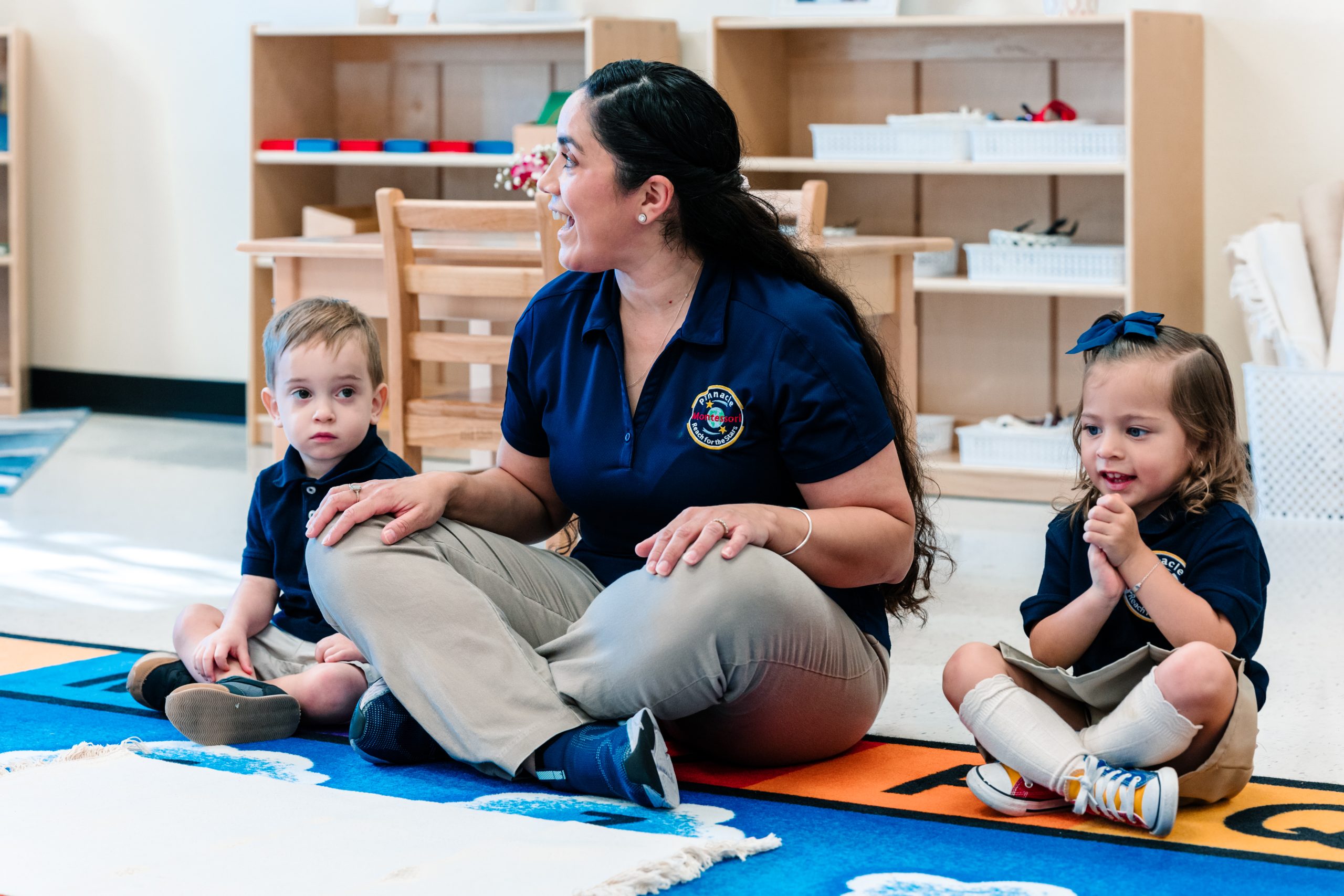
Rather than directing every activity, teachers serve as guides who encourage children to make choices, explore independently, and take an active role in their learning journey.
This child-centered approach helps children develop confidence, self-motivation, and a positive attitude toward learning.
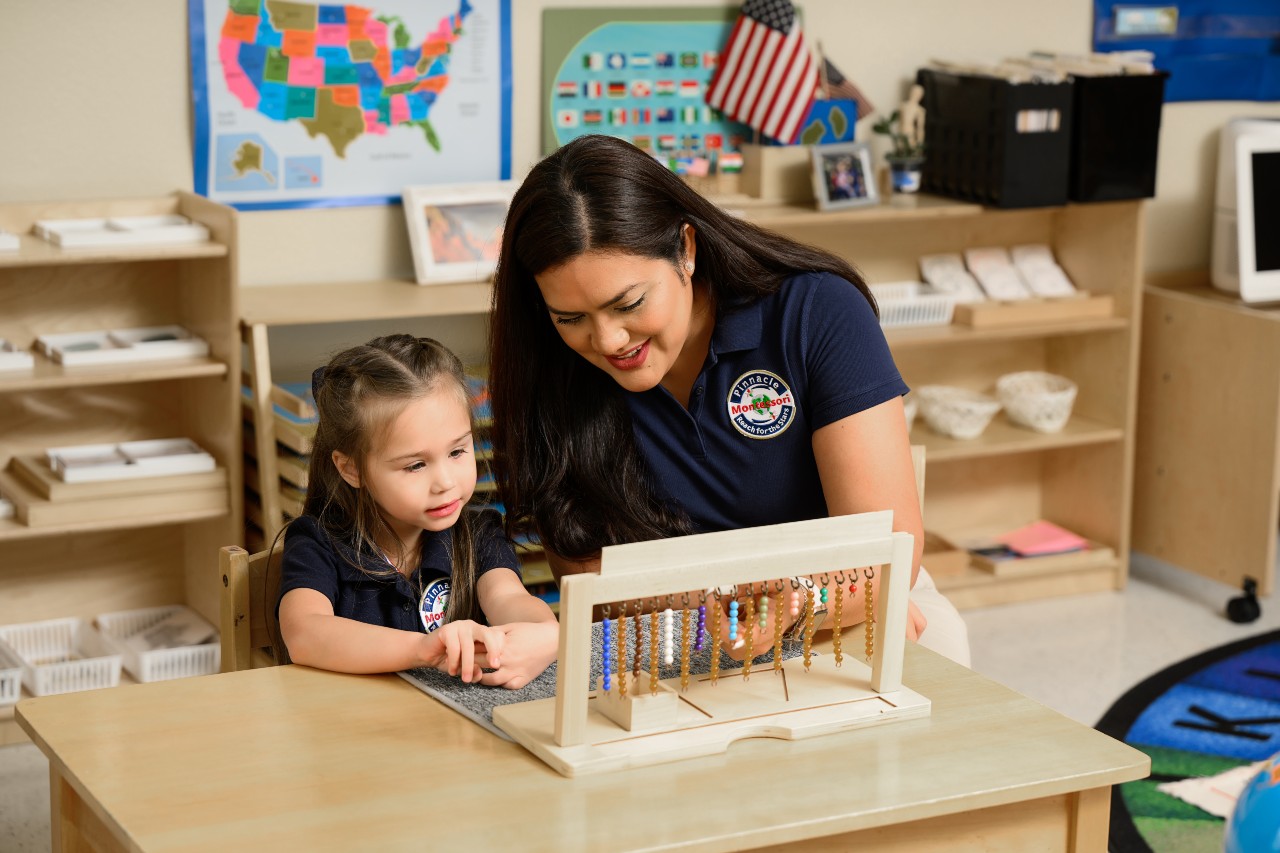
Montessori classrooms are filled with carefully designed materials that encourage children to learn by doing. Instead of relying solely on instruction, children actively engage with materials that help them explore concepts through touch, movement, observation, and discovery.
This hands-on approach helps children develop a deeper understanding of concepts while strengthening problem-solving skills, concentration, and critical thinking abilities.
Learning becomes an interactive experience that is both engaging and meaningful.
One of the most distinctive features of Montessori childcare is the mixed-age classroom environment. Children of different ages learn together, creating a community where collaboration and mentorship naturally occur.
Younger children benefit from observing and learning from older peers, while older children develop leadership skills by helping and guiding younger classmates.
This structure encourages patience, empathy, cooperation, and respect while creating a strong sense of community within the classroom.
Montessori childcare encourages children to develop independence from an early age. Children are given the freedom to make choices within a structured environment that promotes responsibility and respect.
As children learn to manage their activities, care for their environment, and follow classroom expectations, they begin developing self-discipline and self-regulation. These important skills help children become more confident, responsible, and capable in their everyday lives.
Rather than relying solely on external rewards or consequences, Montessori education helps children develop internal motivation and personal accountability.
Every child learns differently, and Montessori education embraces these differences. Montessori educators recognize that children have unique strengths, interests, personalities, and learning styles.
Lessons are presented based on individual readiness, allowing children to progress at a pace that supports their development. This personalized approach helps children feel valued, supported, and successful while building confidence in their abilities.
A classroom culture of respect and acceptance encourages children to appreciate both their own uniqueness and the differences in others.
Practical Life activities are an essential component of Montessori childcare. These activities help children develop independence while learning skills they can use in everyday life.
Tasks such as pouring, buttoning, sweeping, food preparation, and caring for the classroom environment help strengthen fine motor coordination, concentration, responsibility, and self-confidence.
While these activities may seem simple, they play an important role in preparing children for future academic learning and everyday problem-solving.
Montessori childcare focuses on more than academic readiness. The goal is to support the development of the whole child by nurturing social, emotional, physical, and cognitive growth.
Children are encouraged to develop confidence, empathy, communication skills, creativity, and independence in an environment that values respect and meaningful learning experiences.
This balanced approach helps children build a strong foundation for future success while fostering a lifelong love of learning.
Choosing the right childcare program is an important decision for every family. Montessori childcare offers an environment where children are encouraged to explore, discover, and grow at their own pace while developing the skills and confidence needed for future success.
Through individualized learning, hands-on experiences, practical life activities, and supportive guidance, Montessori childcare helps children build strong foundations that support learning and personal growth for years to come.