The Montessori Method: How Early Reading Shapes Child Development
Reading is one of the most powerful tools for learning, and the foundation for literacy begins long before a child picks up their first book independently. In Montessori education, early reading is approached as a natural part of a child’s development, helping children build language skills, confidence, and a lifelong love of learning.
The Montessori Method is a child-centered educational approach that encourages hands-on learning, independence, and exploration. One of its most important components is language development, which begins during the earliest years of life when children are most receptive to learning.
Building a Strong Foundation for Literacy
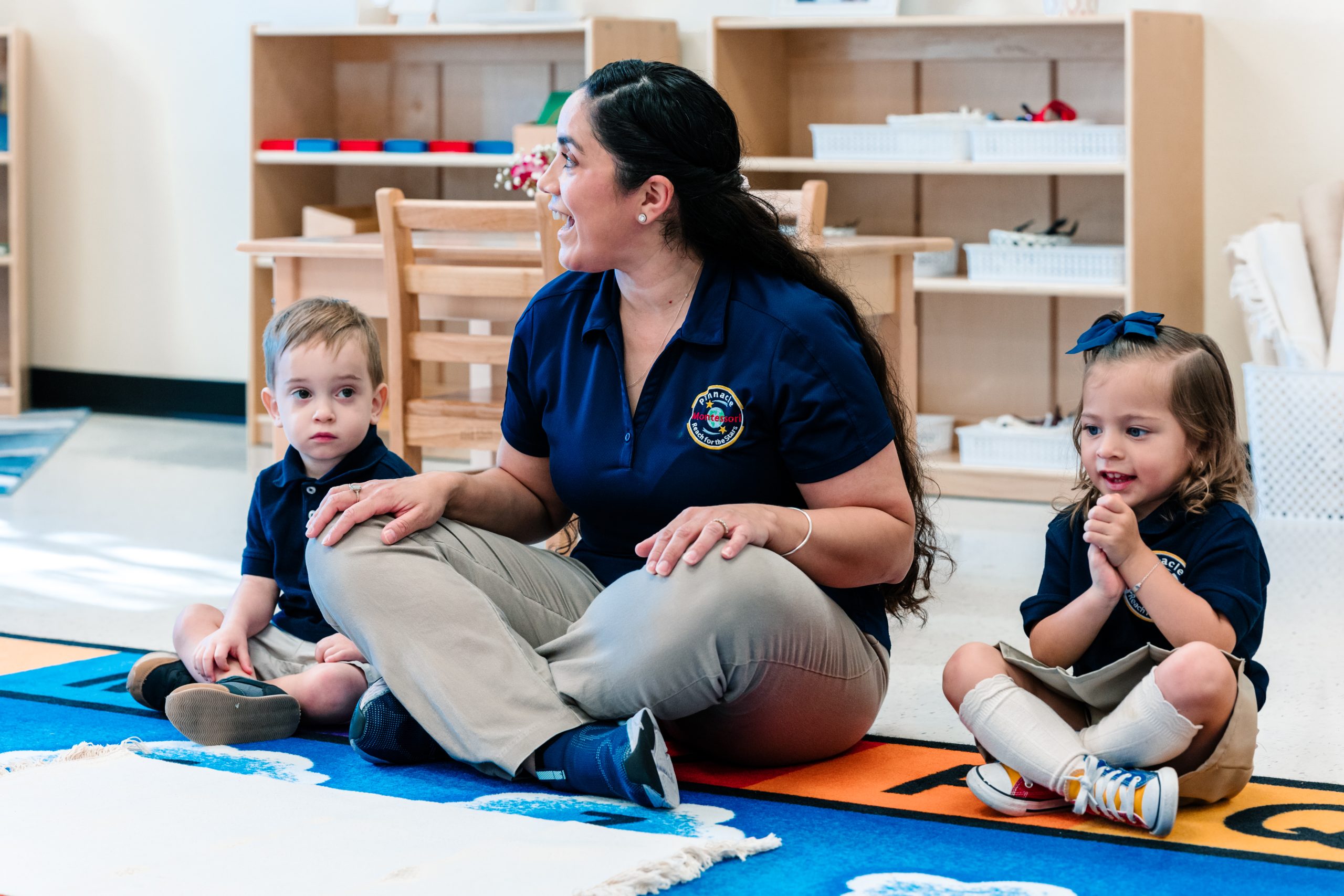
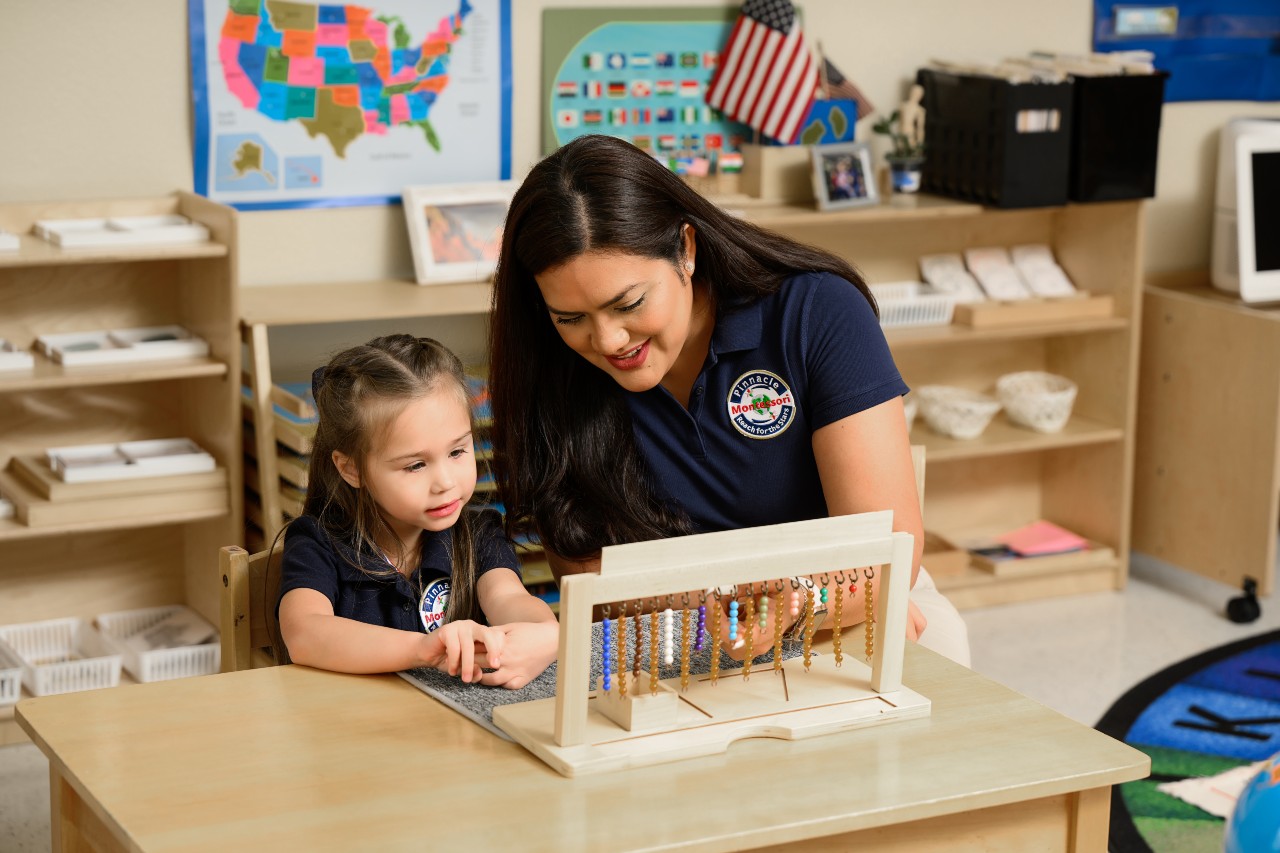
In a Montessori classroom, children are introduced to language-rich experiences from an early age. Through carefully prepared materials and engaging activities, children learn to recognize sounds, identify letters, and gradually connect those sounds to words and meaningful communication.
Rather than relying solely on memorization, Montessori educators help children develop language skills through hands-on experiences that make learning both meaningful and enjoyable. Activities are designed to match each child’s developmental readiness, allowing them to progress with confidence and enthusiasm.
More Than Learning to Read
Early reading in Montessori education goes beyond simply recognizing words on a page. It focuses on helping children understand language, communicate effectively, and develop a genuine appreciation for reading.
Through activities such as storytelling, phonetic awareness exercises, sound games, and language materials, children strengthen their vocabulary, comprehension, listening skills, and verbal expression. These experiences help create a strong foundation for future academic success.
The Cognitive Benefits of Early Reading
Research consistently shows that early exposure to reading and language activities supports cognitive development in significant ways. Children who develop strong literacy skills at a young age often demonstrate enhanced memory, improved concentration, stronger problem-solving abilities, and greater critical-thinking skills.
Reading also encourages imagination and creativity, allowing children to explore new ideas, make connections, and develop a deeper understanding of the world around them.
As children become more confident readers, they are better equipped to navigate future academic challenges and learning opportunities.
Supporting Social and Emotional Growth
The benefits of early reading extend beyond academics. Reading helps children develop empathy, emotional awareness, and communication skills by exposing them to different characters, experiences, and perspectives.
Children who feel successful in their reading journey often develop greater self-confidence and independence. They become more willing to express themselves, ask questions, and engage with others in meaningful ways.
Books also provide opportunities for connection between children, parents, and educators, creating positive experiences that strengthen relationships and encourage a lifelong appreciation for learning.
A Lifelong Love of Learning Begins Early
One of the primary goals of Montessori education is to cultivate a genuine love of learning. By introducing reading in a way that is engaging, developmentally appropriate, and enjoyable, children begin to view learning as an exciting journey rather than a task.
The skills developed through early reading continue to support children throughout their educational experience, helping them become confident learners, effective communicators, and independent thinkers.
At Pinnacle Montessori of Crown Ridge, we provide a nurturing and stimulating environment where young minds can flourish. Our Montessori programs are thoughtfully designed to support each stage of a child’s development while fostering curiosity, independence, and academic growth.
For more information about our Montessori programs or to schedule a visit to our campus, please call us at (210) 468-1596. We invite you to experience firsthand the warm, engaging, and enriching environment that Pinnacle Montessori offers. Together, we can help your child build a strong foundation for lifelong learning and success.